How Long Does a Full Home Renovation Actually Take?
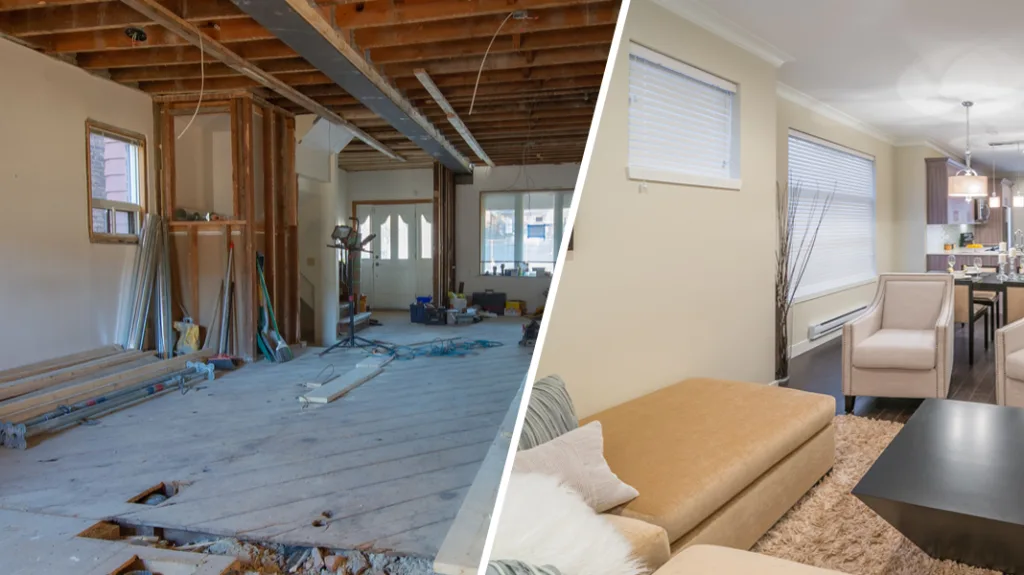
“Just a few weeks” is what most people are told before starting a renovation, and it’s almost never true. A realistic home renovation timeline depends heavily on scope, but if there’s one thing I’ve learned from watching multiple projects unfold — everything takes longer than the initial estimate.
Even a straightforward single-room job tends to run into unexpected delays, whether it’s a material backorder or a contractor juggling three sites at once.
Single Room Renovation: 2-6 Weeks
Quick answer: A single-room renovation like a bathroom or bedroom typically takes 2-6 weeks depending on whether plumbing or electrical work is involved, with bathrooms generally running longer due to waterproofing and drying time.
Bathrooms are notoriously slow because of the drying periods required between waterproofing layers — rush this step and you’re looking at leaks within a year.
Kitchen Renovation: 6-10 Weeks
Kitchens involve more moving parts than almost any other room — plumbing, electrical, cabinetry, countertops, and appliances all need to align in sequence. A delay in cabinet delivery (which happens more often than contractors like to admit) can stall the entire project.
- Demolition: 3-5 days
- Electrical and plumbing rerouting: 1-2 weeks
- Cabinet installation: 1 week, assuming no delivery delay
- Countertop templating and install: 1-2 weeks
- Finishing touches: 1 week
Full Home Renovation: 3-9 Months
This is where timelines get genuinely unpredictable. A full home renovation covering multiple rooms, structural changes, and finishes can run anywhere from three months for a straightforward layout to well past nine months for older homes with hidden issues.
Quick answer: A full home renovation timeline typically runs 3-9 months, with older homes taking longer due to unexpected structural, plumbing, or wiring problems discovered mid-project.
What Actually Causes Delays
Nobody plans for delays, but they happen constantly:
- Material backorders, especially imported tiles or fixtures
- Discovering water damage or outdated wiring behind walls
- Contractor scheduling conflicts across multiple projects
- Permit approval delays with local authorities
- Weather, if any exterior work is involved
Living At Home vs Moving Out Temporarily
If you’re renovating just one or two rooms, staying home is usually fine, if a little inconvenient. For a full home renovation, though, living on-site often adds weeks to the timeline simply because work has to pause around your daily routine, meals, and sleep.
Seasonal Timing Matters More Than People Think
Monsoon season in most of India isn’t the time to start exterior work or anything involving waterproofing — materials don’t cure properly in high humidity, and delays practically guarantee themselves. Winter and early summer tend to be the more reliable windows. [link to related guide about home improvement budgeting here]
How to Keep a Timeline Realistic From the Start
Ask your contractor for a written schedule with milestones, not just a total number of weeks. A vague “8-10 weeks” is far less useful than a breakdown showing when demolition ends and when finishing begins — it also gives you a way to catch delays early rather than at the very end.
FAQs
Can a kitchen renovation be done in under a month? Rarely, unless it’s purely cosmetic — swapping countertops and hardware without touching plumbing or electrical.
Does a bigger budget mean a faster renovation? Not necessarily — it can speed up material sourcing, but labour and drying/curing times don’t shorten with more money.
How much longer do old homes take compared to newer ones? Often 30-50% longer due to hidden structural or wiring issues uncovered mid-project.
Should I build in a delay buffer when planning move-in dates? Yes, always add at least 2-3 extra weeks to whatever timeline you’re given.
Is monsoon season bad for all renovation work? Mainly for exterior work and anything needing curing time — interior work like painting and cabinetry is generally fine.
Final Thoughts
A realistic home renovation timeline is less about the number of weeks and more about expecting the unexpected. Build in buffer time, ask for milestone-based schedules, and avoid starting exterior work right before monsoon. Go in with patience, and the process feels a lot less chaotic when (not if) something takes longer than planned.