HVAC Maintenance Tips to Extend Your System’s Lifespan
Your air conditioner or HVAC unit is probably one of the most expensive appliances in your home, and yet most people ignore it completely until it stops cooling properly. A handful of consistent HVAC maintenance tips can genuinely add years to a system’s working life — and honestly, most of them take less than fifteen minutes.
I neglected my own AC’s filter for almost a year once. Bills crept up quietly, and I didn’t connect the dots until a technician pointed straight at the clogged filter.
Clean or Replace Filters Regularly
Quick answer: HVAC filters should be cleaned or replaced every 1-3 months, depending on usage and dust levels — a clogged filter forces the system to work harder, raising energy bills and wearing out components faster.
Homes near construction sites or busy roads need more frequent filter checks — dust builds up faster than you’d expect.
Keep the Outdoor Unit Clear
Leaves, dust, and debris around the outdoor condenser unit block airflow and make the whole system less efficient. Give it at least two feet of clearance on all sides, and hose down the coils gently every few months.
Schedule Annual Professional Servicing
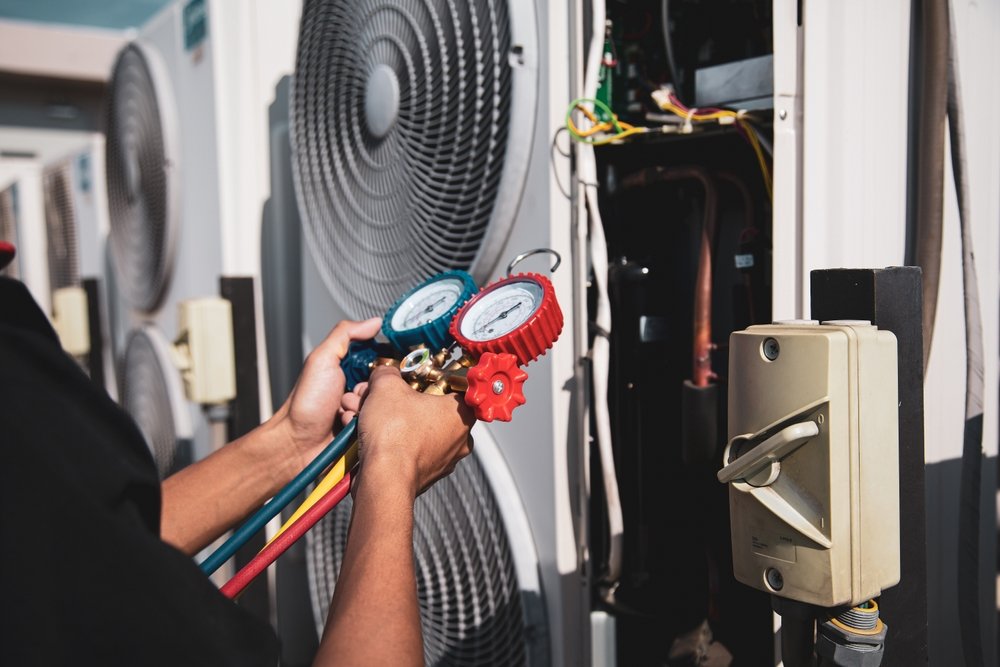
Even with good DIY habits, an annual check by a technician catches things you simply can’t see — refrigerant levels, electrical connections, and internal component wear.
- Refrigerant level check
- Coil cleaning, inside and out
- Electrical connection tightening
- Thermostat calibration check
Don’t Ignore Strange Noises or Smells
A rattling, grinding, or musty smell coming from your unit is never a good sign to ignore. I’ve seen a small rattle turn into a full compressor replacement simply because it was left unattended for months.
Set a Reasonable Thermostat Range
Running your AC at extremely low temperatures constantly strains the compressor far more than most people realize. Keeping it around 24-26°C, with a fan assist, gives comparable comfort with noticeably less wear.
Quick answer: Setting your HVAC thermostat between 24-26°C rather than pushing it to the lowest setting reduces compressor strain significantly and can extend system life by several years.
Check and Seal Ductwork
Leaky ducts force your system to work overtime to maintain the set temperature, and this is a surprisingly common issue in older homes. A simple visual check for loose connections or gaps, sealed with duct tape or mastic sealant, makes a real difference.
Keep Vents Unblocked
Furniture, curtains, or rugs covering air vents restrict airflow and make your system compensate by running longer than it needs to. Walk through your home and check every vent is fully open and unobstructed. [link to related guide about monthly home maintenance tasks here]
Insulate Properly Around the Home
An HVAC system fighting against poor insulation is working far harder than it should. Weatherstripping around doors and windows, and proper attic insulation, take real pressure off the system year-round.
FAQs
How often should I clean my AC filters? Every 1-3 months, more often in dusty areas or during heavy usage months.
Is annual servicing really necessary if my AC seems fine? Yes, many issues develop internally before they show any visible or audible symptoms.
Does running the AC constantly wear it out faster? Constant short cycling is worse than steady, moderate use — frequent on-off switching strains the compressor more.
Can dirty ducts really affect efficiency that much? Yes, blocked or leaky ducts can reduce system efficiency by 20% or more in some cases.
What’s the average lifespan of a well-maintained HVAC system? Generally 15-20 years with consistent maintenance, compared to 10-12 years with neglect.
Final Thoughts
Good HVAC maintenance isn’t complicated — clean filters, clear outdoor units, sealed ducts, and an annual professional check cover most of it. Set a reminder on your phone for filter checks this month. Small, consistent habits add years to a system that’s expensive to replace outright.