How to Make the Right Decision When Your Roof Starts Showing Its Age
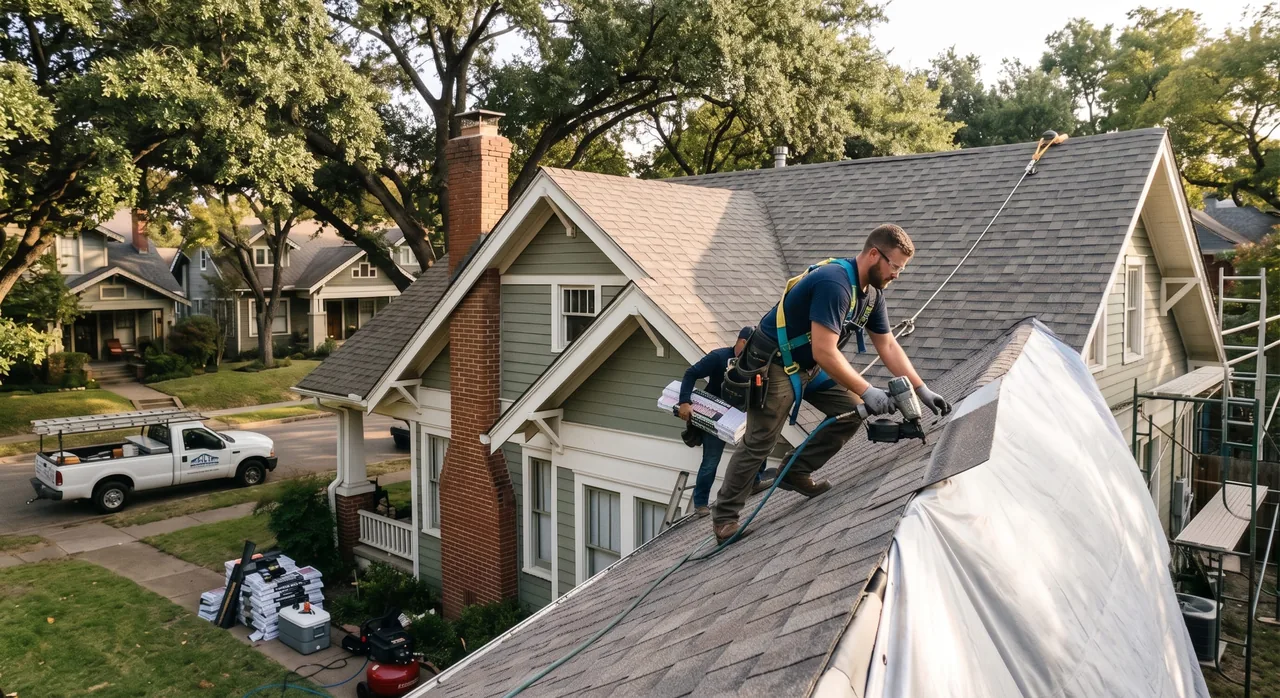
Most people don’t think about their roof until something goes wrong. It makes sense. When everything is working properly, the roof is simply there, quietly doing its job while you get on with life.
Then a storm comes through. You notice a few shingles in the yard. A brown mark appears on the ceiling. Maybe there’s a drip in the attic that wasn’t there before. Suddenly, the roof becomes the most interesting part of the house.
The tricky part is figuring out what happens next. Does the damage require a small repair? Is the entire roof nearing the end of its useful life? And how do you know whether the person giving you advice is recommending the right solution rather than the most expensive one?
A little knowledge can make those decisions much easier.
Start With an Honest Inspection
The first step is understanding what you’re actually dealing with.
A professional inspection can identify visible damage and potential problems that aren’t easy to spot from the ground. This may include cracked or missing shingles, damaged flashing, signs of moisture, poor ventilation, or areas where roofing materials have deteriorated.
Experienced roofing services can also help put individual problems into context. One damaged area doesn’t necessarily mean the whole roof is failing. On the other hand, several small problems appearing across an aging roof may suggest a larger issue.
The important thing is to avoid making decisions based on one isolated symptom.
A ceiling stain is a reason to investigate, not automatically a reason to replace everything.
Repairs Can Be the Sensible Choice
There are plenty of situations where a repair makes perfect sense.
A loose shingle, damaged flashing, cracked seal, or localized leak may be corrected without disturbing the rest of the roof. If the roofing system is generally in good condition, targeted work can restore protection while keeping costs under control.
Good roof repair should address the source of the problem rather than simply hiding its evidence. That’s particularly important with leaks. Water can travel underneath roofing materials before appearing inside the home, so repairing the visible area alone may not solve the underlying issue.
After a repair, keep an eye on the area during the next few rain events. If moisture returns, further investigation may be necessary.
When Replacement Becomes More Practical
At some point, repairs stop being the most economical answer.
A roof replacement may make more sense when roofing materials have widespread deterioration, leaks keep returning, large sections have been damaged, or the underlying structure has significant problems.
Age can also be a factor, although it shouldn’t be used by itself to make the decision. Different roofing materials have different expected service lives, and maintenance history matters.
One useful question is this: how much are you spending to keep the existing roof functioning, and how long is that approach likely to remain practical?
If repairs are becoming frequent and increasingly expensive, putting that money toward a new system may provide better long-term value.
Storm Damage Isn’t Always Obvious
Storms can be particularly deceptive.
Strong winds may loosen shingles without tearing them away. Hail can cause small impact damage that’s difficult to see. Falling branches may damage flashing or penetrate an area that doesn’t immediately leak.
That’s why a roof should be checked after significant weather events, especially if the property experienced unusually strong winds or hail.
You don’t need to climb onto the roof to perform this inspection yourself. In fact, getting onto a wet or damaged roof can be dangerous. A professional can safely evaluate areas that aren’t easily visible from the ground.
If you notice obvious damage, photographs can also be useful for documenting what happened.
Don’t Forget About Ventilation
Roof performance isn’t just about what’s happening on the outside.
The attic environment matters too. Poor ventilation can allow heat and moisture to accumulate, potentially contributing to deterioration over time.
Signs of an attic ventilation issue may include excessive heat, damp insulation, condensation, musty odors, or staining.
When discussing roofing work, ask whether the ventilation system has been evaluated. Installing new roofing materials without addressing an underlying ventilation problem may not deliver the results you expect.
Sometimes the problem isn’t the roof covering at all. It’s what happens beneath it.
Gutters Play a Supporting Role
Rainwater needs somewhere to go once it leaves the roof.
Blocked or poorly functioning gutters can cause water to overflow against walls, collect near the foundation, or contribute to erosion around the property.
Keeping gutters clean is one of the simplest maintenance tasks a homeowner can handle. Downspouts should also direct water away from the structure rather than releasing it directly beside the foundation.
If gutters are sagging, separating, or regularly overflowing despite being clean, they may need repair or adjustment.
A roof and its drainage system work together. Ignoring one can undermine the other.
Watch for Indoor Warning Signs
Sometimes the first evidence of roofing trouble appears inside the house.
Look for water stains on ceilings, discoloration around walls, peeling paint, damp insulation, or musty smells in the attic. These signs don’t always mean the roof is responsible, but they deserve investigation.
Pay attention to timing, too. If a stain appears shortly after heavy rain, that information can help a professional trace the source.
Don’t paint over a water stain simply because it looks unattractive. Covering the mark without finding the cause can allow hidden damage to continue developing.
Choosing Materials Requires Some Thought
If replacement becomes necessary, don’t choose roofing materials based only on appearance.
Consider the local climate, roof slope, maintenance requirements, expected lifespan, energy performance, and budget. Asphalt shingles may be appropriate for many homes, while metal, tile, or other systems may make more sense in different circumstances.
A roofing professional should be able to explain the advantages and limitations of the options available for your property.
There isn’t a single material that’s perfect for every building.
Get More Than One Opinion When Necessary
Roofing decisions can involve substantial money, so it’s reasonable to seek a second opinion.
This is especially useful if one contractor recommends replacement while another believes a repair is sufficient.
Ask each professional to explain the evidence behind their recommendation. What exactly is damaged? How extensive is it? What happens if you repair rather than replace? How long might the proposed solution reasonably last?
Clear answers are much more useful than vague promises.
Think About the Long-Term Cost
The lowest quote isn’t automatically the best deal.
Installation quality, material durability, warranty coverage, maintenance requirements, and contractor experience all influence the actual cost of ownership.
A cheap repair that fails repeatedly can cost more than a properly completed repair. Likewise, choosing an inexpensive roofing system without considering its expected lifespan may create additional expenses later.
Think beyond today’s invoice.
A roof is an investment in the structure underneath it.
Keep a Simple Maintenance Routine
You don’t need to obsess over your roof.
A few sensible habits go a long way. Keep gutters clear. Trim branches that could fall onto the roof. Look for obvious changes after storms. Check the attic occasionally for moisture or unusual odors. Address leaks promptly instead of waiting for them to become worse.
Keep records of repairs and installation dates, too. Future contractors can use that information to understand the history of the roofing system.
Make the Decision With Confidence
Roof problems can feel stressful because they’re connected to the part of the home that protects everything else. But there’s no need to panic at the first sign of damage.
Start with an inspection. Understand the cause. Determine whether the problem is localized or widespread. Then compare your options based on condition, cost, expected lifespan, and long-term value.
Sometimes a simple repair is exactly what the house needs. Sometimes replacement is the smarter investment. The right answer isn’t the one that sounds most dramatic—it’s the one that fits the actual condition of the roof.
A good roof should mostly stay out of your thoughts. With sensible maintenance and timely decisions, you can keep it that way for many years.