Does a Fence Add Value to a Home? What Buyers Notice and What They Ignore
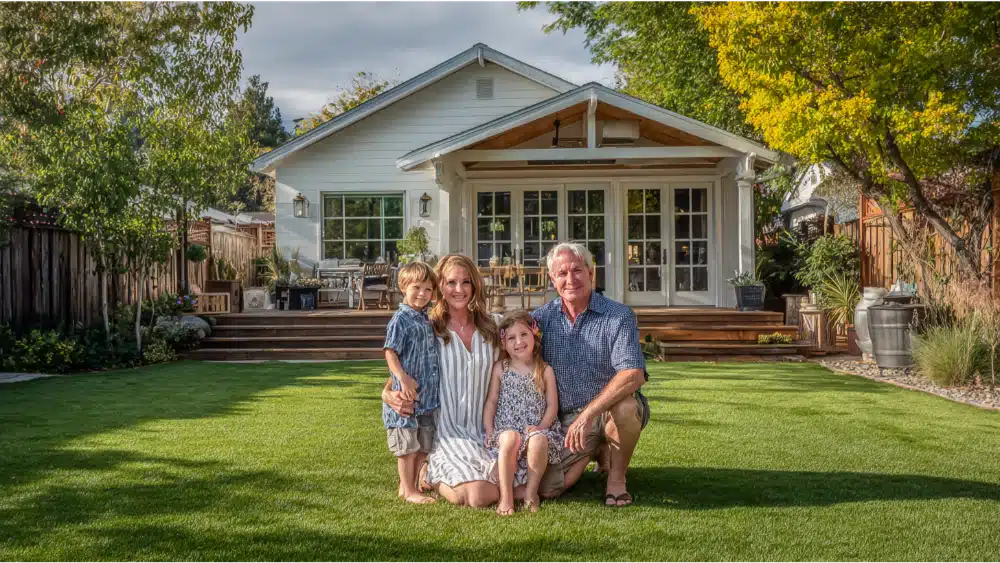
When homeowners plan to sell in the next few years, every project gets measured against one question: will it pay off at closing? Fences sit in an interesting spot. They rarely add as much to an appraisal as a kitchen remodel, yet buyers react strongly to them, both positively and negatively. A sturdy, attractive fence can help a listing stand out and sell faster, while a sagging, mismatched, or overbuilt one can quietly drag down offers. Understanding how buyers see fences helps owners spend wisely.
Why Fences Matter to Buyers
For many buyers, a fenced yard isn’t a luxury but a requirement. Several groups actively search for it:
- Families with young children who want a safe, enclosed play area
- Dog owners, often one of the largest buyer segments, who need a secure yard
- Privacy seekers in dense neighborhoods or on busy streets
- Pool buyers, since a pool usually requires a compliant safety barrier
When a home lacks a fence, these buyers mentally add the cost and hassle of installing one, which can lower their offer or push them toward another listing. A fence that’s already in good condition removes that objection.
Appraisal Value vs. Market Appeal
Appraisers typically treat fences as a minor component of value. A new fence won’t usually raise an appraisal by the full cost of installation. The bigger effect is on market appeal: how quickly a home sells, how many buyers compete for it, and how confidently they offer.
That distinction matters. A fence is often worth building when it makes the home attractive to a wider pool of buyers, not because it will be returned dollar for dollar on paper.
What Buyers Respond To
Condition above all. A clean, straight, well-kept fence signals a well-maintained home. A leaning or rotting fence suggests deferred maintenance and makes buyers wonder what else has been neglected.
Style that fits the house. Buyers notice when a fence clashes with the architecture, such as a chain link fence around a craftsman home or a rustic split rail beside a sleek modern build. A style that matches the house looks intentional and finished.
Function in the backyard. Full enclosure of the backyard with working gates matters more than an elaborate front fence. Buyers with pets and children will check for gaps.
Quality materials. Cedar, quality vinyl, and ornamental aluminum read as upgrades. Thin, weathered pickets or rusted chain link read as a project.
Neighborhood norms. In areas where most homes have tall privacy fences, a house without one stands out for the wrong reasons. In neighborhoods with open front lawns, a tall front fence can look out of place.
What Can Hurt Value
Some fences work against a sale:
- Overbuilt or overly personal designs, such as unusual colors, very tall solid walls in front yards, or heavy security features that make a home feel like a compound
- Fences that violate local rules, including height limits, setbacks, or HOA requirements, which can surface during inspection or title review
- Fences built over the property line, which can create disputes and complicate a sale
- Damaged pool barriers, which may need to be fixed before closing
- Expensive materials that don’t match the neighborhood, where buyers won’t pay a premium for them
Repair, Replace, or Leave It
Before listing, owners with an existing fence face a choice.
Repair makes sense when the fence is basically sound. Replacing a few boards, straightening posts, fixing gate hardware, and cleaning or staining the wood can dramatically improve listing photos for relatively little money.
Replace makes sense when the fence is clearly failing, with widespread rot, leaning sections, or broken panels. A visibly failing fence often shows up on inspection reports and can become a negotiation point that costs more than replacement.
Leave it when the fence is in fair condition and matches the neighborhood. Not every project needs doing before a sale.
Add a fence when the yard is unfenced and most comparable homes nearby are fenced, especially in neighborhoods popular with families and dog owners.
Choosing a Fence With Resale in Mind
If you’re building a fence partly with resale in mind, aim for broad appeal:
- Choose a neutral, classic style that suits the home’s architecture.
- Use durable, low-maintenance materials that will still look good when the house goes on the market.
- Enclose the backyard fully with at least one gate wide enough for lawn equipment.
- Follow local codes and HOA rules, and keep permits and documentation for buyers.
- Confirm the property line before building so the fence sits on your side.
Local expertise helps here, because buyer expectations and rules vary by city. In fast-growing suburbs south of Seattle, for example, many newer neighborhoods have specific fence guidelines and buyers who expect fenced backyards. Homeowners there often work with a fence contractor Renton residents know, someone familiar with local permit rules, HOA standards, and the styles common in nearby subdivisions. A contractor who knows the local market can recommend a fence that fits the neighborhood rather than one that stands out awkwardly.
Presenting the Fence in a Listing
A good fence should be part of the marketing:
- Photograph the backyard with the fence clean and the gates closed to show full enclosure.
- Mention it in the listing description, for example “fully fenced backyard” or “new cedar privacy fence.”
- Highlight age and materials if the fence is recent or made from durable materials.
- Keep paperwork such as warranties, permits, and installation invoices available for buyers.
A Fence as a Selling Point
A fence rarely transforms an appraisal, but it can shape how buyers feel about a home from the moment they arrive. Kept in good condition, styled to match the house, and built to meet local rules, a fence turns a backyard into a feature buyers can picture using. For owners planning to sell, that appeal is often worth more than the line it adds to an appraisal.