How to Prevent Frozen Pipes During Winter
If you live in the hills, or anywhere that sees genuinely cold winters — Shimla, Manali, parts of Kashmir, even Delhi during a harsh cold wave — frozen pipes aren’t some distant, foreign problem. Learning how to prevent frozen pipes properly can save you from a burst pipe and a genuinely messy, expensive repair.
A relative of mine in Himachal dealt with exactly this a couple winters back — a supply pipe running along an exterior wall froze overnight and cracked. The repair cost far more than any prevention would have.
Insulate Exposed Pipes
Quick answer: Pipes running through unheated spaces like garages, basements, or exterior walls should be wrapped with foam pipe insulation, which is cheap, widely available, and can be installed without any plumbing experience.
Foam sleeves cost very little and slide directly over most standard pipe sizes — this alone prevents a huge percentage of freezing incidents.
Let Faucets Drip During Extreme Cold
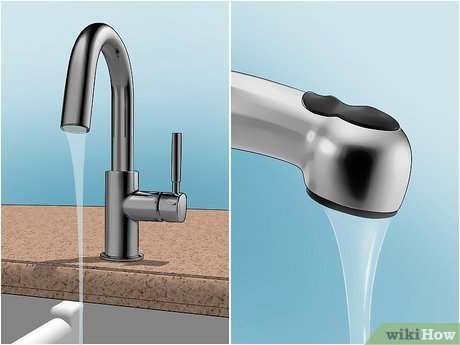
Quick answer: Letting faucets drip slightly overnight during severe cold keeps water moving through the pipes, and moving water is significantly less likely to freeze than completely still water sitting in a pipe.
It feels wasteful, sure, but it’s a lot cheaper than a burst pipe repair and the resulting water damage.
Seal Gaps and Cracks Near Pipes
Cold air seeping in through small gaps around where pipes enter your home — near foundation walls or under sinks — is a common, overlooked cause of freezing. Simple caulk or expanding foam seals these gaps effectively.
- Check around exterior pipe entry points
- Seal gaps near unheated crawl spaces
- Look for drafts near under-sink cabinets against exterior walls
Keep Cabinet Doors Open
Pipes running under kitchen or bathroom sinks, especially against exterior walls, benefit from warm air circulation. Simply leaving cabinet doors open on genuinely cold nights lets your home’s heating reach those pipes more effectively.
Disconnect and Drain Outdoor Hoses
Any hose left connected to an outdoor tap can cause water to back up and freeze inside the tap itself, sometimes cracking it. Disconnect, drain fully, and store hoses indoors before winter sets in properly.
Maintain Consistent Indoor Heating
Don’t turn heating off completely even when you’re away for a few days during winter — keeping the house at a minimum consistent temperature, even a modest one, prevents interior pipes from dropping to freezing point. [link to related guide about HVAC maintenance tips here]
Know Where Your Main Water Shutoff Valve Is
If a pipe does freeze or burst despite precautions, knowing exactly where your main shutoff valve is means you can stop water flow immediately, minimizing damage while you wait for a plumber.
What To Do If a Pipe Has Already Frozen
Turn on the affected faucet slightly first — this relieves pressure as the ice starts to thaw. Then use a hairdryer or warm towels on the frozen section, working from the faucet end toward the blockage, never the reverse.
FAQs
At what temperature do pipes actually start freezing? Generally around -6°C sustained for several hours, though poorly insulated pipes can freeze at slightly higher temperatures too.
Is dripping a faucet really necessary every cold night? Only on genuinely severe cold nights — for moderate cold, proper insulation alone is usually sufficient.
Can frozen pipes burst even if water isn’t running? Yes, the expansion of freezing water itself, not moving water, is what typically causes pipes to crack.
Are plastic pipes less likely to freeze than metal ones? They’re slightly more flexible and resistant to bursting, but they can still freeze and block water flow entirely.
How much does fixing a burst pipe typically cost? It varies widely, but repairs plus associated water damage can easily run into tens of thousands of rupees.
Final Thoughts
Preventing frozen pipes really comes down to a handful of cheap, simple steps — insulation, sealing gaps, and consistent indoor heating during cold snaps. If you’re in a region that sees genuinely cold winters, don’t wait for the first hard freeze to take action. A few hours of prep now is far less painful than a burst pipe later.