How to Choose the Right Neighborhood Before Buying a Home
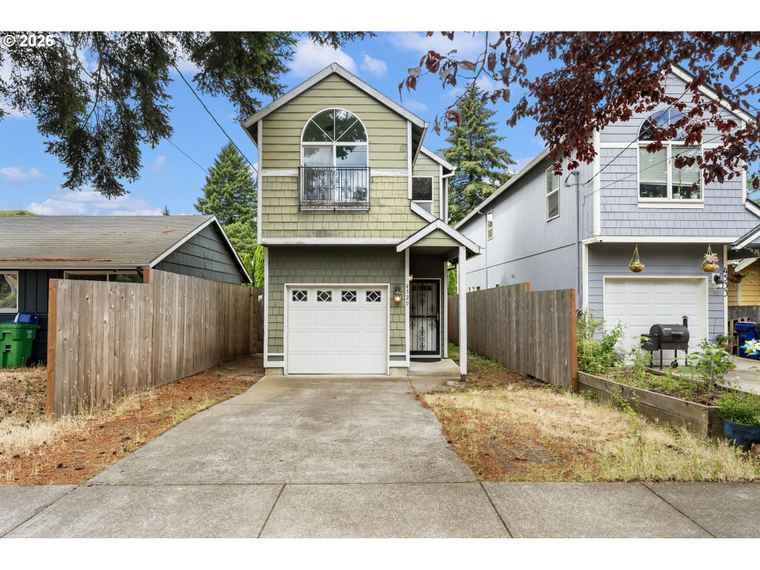
People obsess over the house itself — the kitchen, the layout, the paint colour — and forget that how to choose a neighborhood properly matters just as much, arguably more. You can renovate a kitchen. You genuinely cannot renovate your neighbours or the daily commute.
I’ve watched friends fall in love with a home and completely ignore the area around it, only to regret it within a year once the daily reality set in.
Visit at Different Times of Day
Quick answer: Before buying, visit the neighborhood on a weekday morning, a weekend afternoon, and at night — traffic, noise levels, and general atmosphere can shift dramatically between these times, and a single daytime visit rarely tells the full story.
A quiet street at 11 AM on a Tuesday can feel entirely different by 9 PM on a Saturday.
Check Commute Times Realistically
Google Maps estimates are optimistic, to put it politely. Actually drive or take public transport during real rush hour before assuming the commute is manageable long-term.
Research School Quality, Even Without Kids
Quick answer: School quality in a neighborhood directly affects resale value even for buyers without children, since strong school zones consistently attract more buyer demand and hold property values better over time.
This surprised me when I first heard it — but it genuinely holds true almost everywhere.
Look Into Future Development Plans
A quiet street today could sit next to a major upcoming highway, commercial complex, or high-rise project. Local municipal offices or a quick search often reveals zoning changes and development plans well before construction starts.
- Check for pending infrastructure projects nearby
- Ask about any planned commercial zoning changes
- Look into flood zones or environmental concerns
Talk to Actual Residents, Not Just the Agent
Real estate agents want the sale — that’s their job, fair enough. But actual residents will tell you things agents genuinely won’t, like ongoing noise issues, water supply problems, or a difficult neighbour two doors down.
Assess Walkability and Nearby Amenities
Grocery stores, parks, pharmacies, and hospitals within a reasonable distance genuinely improve daily quality of life more than people initially expect when house-hunting. [link to related guide about renting vs buying a home here]
Consider Noise Sources You Might Miss
Airports, train lines, busy markets, or even a popular restaurant strip nearby can mean ongoing noise that’s easy to underestimate during a quick daytime visit.
Check Crime Statistics for the Specific Area
Broad city-level crime statistics don’t tell you much about a specific street or block. Local police station records, or community forums, often give a far more accurate, granular picture.
FAQs
How important is the neighborhood compared to the house itself? Arguably more important long-term, since you can renovate a house but not the surrounding area or community.
Should I prioritize proximity to work or good schools? It depends on your life stage, but school zones tend to matter more for long-term resale value even if you don’t have kids yet.
How do I find out about future development plans? Check local municipal corporation websites, or visit their offices directly to ask about zoning changes.
Is it worth visiting a neighborhood at night before buying? Yes, night visits reveal noise levels, lighting, and general safety perception that daytime visits often miss.
Do online neighborhood reviews give an accurate picture? They help, but talking directly to current residents usually gives more specific, reliable insight.
Final Thoughts
Choosing where to live matters just as much as choosing what to live in. Take the time to genuinely research the neighborhood — visit at different hours, talk to residents, and check for upcoming development. A great house in the wrong area rarely stays a great decision for long.