A Smarter Way to Get Better Water Without Buying a System
For many homeowners, improving water quality sounds like a worthwhile idea until they start looking at the cost of equipment, installation, and long-term maintenance. Buying a water treatment system outright can be a significant investment, especially when you’re not sure how long you’ll stay in your current home.
That’s where rental and leasing programs can make things a little easier. Instead of paying a large amount upfront, homeowners may be able to spread the cost over time while still getting access to equipment designed for their household’s water needs. It’s not the right choice for everyone, but for some families, it can be surprisingly practical.
Why Renting Water Treatment Equipment Makes Sense
Home expenses have a funny way of appearing all at once. A plumbing repair here, an appliance replacement there, and suddenly a major water treatment purchase feels like something that can wait.
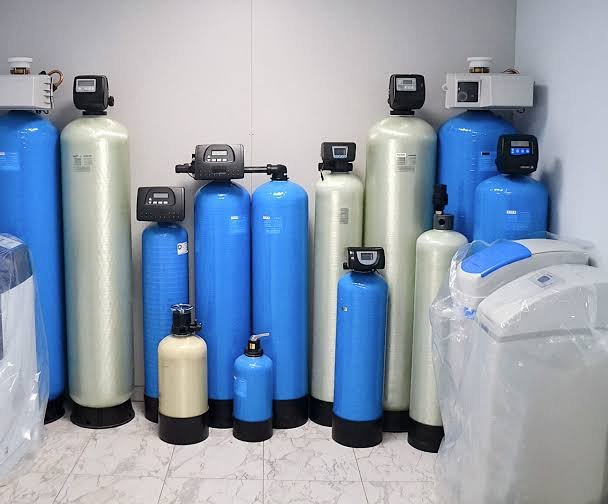
Choosing water softener rentals and leasing can provide another path. Rather than making a large upfront purchase, homeowners may have access to a softening system through a rental or lease arrangement. Depending on the provider, the agreement may also include service, maintenance, or replacement support.
For families trying to manage a household budget, predictable monthly costs can sometimes feel much easier than one large bill.
Understanding the Difference Between Renting and Leasing
The words rental and lease are often used together, but they don’t always mean exactly the same thing.
A rental generally provides the use of equipment for an agreed period, often with more flexibility. Leasing may involve a longer commitment and a structured payment arrangement. The specific terms vary by company, so it’s important to read the agreement carefully before signing anything.
Look at the monthly payment, contract length, maintenance responsibilities, cancellation terms, and what happens if the equipment needs repair. A low monthly price isn’t necessarily the best deal if unexpected costs are hidden in the fine print.
A Practical Option for Temporary Homes
Not everyone lives in the same house for twenty years. People move for work, families grow, retirement plans change, and sometimes a property is simply a temporary stop.
If you expect to move within a few years, buying and installing a permanent system may not feel worthwhile. In that situation, the option to rent a water treatment system can offer a bit more breathing room.
It can also be useful for people who want to experience the benefits of treated water before committing to ownership. Living with a system for a while can help you decide whether the improvement is noticeable enough to justify a future purchase.
What Can Water Treatment Help With?
The type of treatment system you need depends heavily on what’s actually present in your water.
Water softeners are commonly used to address hardness caused by minerals such as calcium and magnesium. Hard water can leave scale on faucets, shower doors, and appliances. It can also make soap less effective and leave dishes covered in spots.
Filtration systems may address different concerns, such as sediment, taste, odor, or certain contaminants, depending on the technology used.
The key point is simple: treatment should match the problem. Buying equipment first and asking questions later isn’t the best approach.
Testing Your Water Before Choosing Equipment
A water test can be one of the most useful steps before selecting any treatment system. It provides information about the characteristics of the water and helps determine whether softening, filtration, or another approach makes sense.
This matters because two homes in the same general area can still have different plumbing conditions and household concerns. A system that works beautifully in one home might not be the right fit for another.
Good water treatment isn’t about having the biggest machine in the garage. It’s about having the right solution for the water you’re actually using.
The Value of Included Maintenance
One advantage of some rental and leasing arrangements is that maintenance may be included or available through the provider. That’s worth considering when comparing costs.
Water treatment equipment contains components that need attention over time. Filters may require replacement, softeners need routine care, and mechanical parts can eventually wear out.
Having professional support available can take some of that responsibility off the homeowner’s shoulders. And honestly, most people would rather spend their Saturday doing almost anything else than troubleshooting a water treatment system.
Compare the Terms, Not Just the Price
When reviewing flexible rental and leasing options, look beyond the advertised monthly payment.
Ask what installation includes. Find out whether maintenance is covered. Check whether replacement parts are included and whether there are additional service charges. It’s also smart to understand the process for ending or transferring an agreement if your circumstances change.
A slightly higher monthly payment could potentially offer better service and fewer unexpected expenses. On the other hand, a cheaper plan may be perfectly suitable if it includes everything you need.
The best deal is the one that makes sense over the entire agreement, not just on the first month’s statement.
Is Renting Right for Your Home?
Rental and leasing aren’t automatically better than buying. Homeowners who plan to stay in one property for many years may prefer ownership, particularly if the long-term numbers make sense.
But renting can be appealing when upfront costs are a concern, when flexibility matters, or when you’re simply not ready to commit to owning equipment.
Think about your budget, how long you expect to remain in the home, the condition of your water, and how much maintenance you’re comfortable handling yourself.
Better Water, Fewer Financial Surprises
Improving household water quality shouldn’t have to feel like an all-or-nothing decision. Rental and leasing arrangements give homeowners another way to approach the issue without necessarily making a large upfront investment.
The important thing is to slow down and compare the options carefully. Understand your water, choose equipment based on actual needs, and read the agreement before making a commitment.
Sometimes the smartest home improvement isn’t the one that costs the most. It’s the one that fits your lifestyle, your budget, and your plans for the future. For many homeowners, that simple bit of flexibility can make better water feel much more achievable.