Your Water Heater Is Easy to Ignore—Until the Hot Water Runs Out
There are some household appliances you barely notice until they stop working. The water heater is a perfect example. Most mornings, you turn on the shower, wait a few seconds, and there it is—hot water. No ceremony, no thought required.
Then one day, the shower turns cold halfway through.
Maybe the water takes forever to heat. Maybe there’s a puddle near the tank. Or perhaps you hear a strange popping sound every time the heater runs. Suddenly, an appliance that spent years quietly doing its job has become impossible to ignore.
A reliable water heater isn’t just about comfortable showers. It supports washing dishes, laundry, cleaning, and countless everyday routines. Understanding how these systems work—and knowing when something is wrong—can save you from unnecessary stress and expensive damage.
Why Regular Water Heater Care Matters
Like any major home appliance, a water heater needs some attention over time. Sediment can accumulate inside the tank, connections can wear out, heating components may weaken, and safety controls can eventually fail.
Professional water heater services can help homeowners identify these issues before they turn into major failures. Routine inspection may include checking connections, temperature settings, valves, electrical components, and signs of corrosion or leakage.
That doesn’t mean you need someone inspecting your water heater every other week. It simply means the system shouldn’t be forgotten completely.
If your heater is older or showing unusual symptoms, a professional evaluation is usually more sensible than waiting for the day it stops working altogether.
Pay Attention to the Warning Signs
Water heaters tend to give clues before they fail completely.
One common sign is inconsistent water temperature. If your shower starts hot and becomes lukewarm much faster than it used to, something may be affecting the heater’s performance.
Strange noises are another clue. Rumbling, popping, or crackling sounds can sometimes occur when sediment collects at the bottom of a tank. As the heater operates, water trapped beneath that sediment can create those noises.
Discolored hot water can also deserve attention, particularly if it appears rusty or unusual. And, of course, water around the base of the tank should never be casually ignored.
A small puddle may seem manageable, but water heaters contain a substantial amount of water. A leaking tank can cause significant damage surprisingly quickly.
When Repair Makes More Sense Than Replacement
Not every water heater problem means you need a brand-new unit.
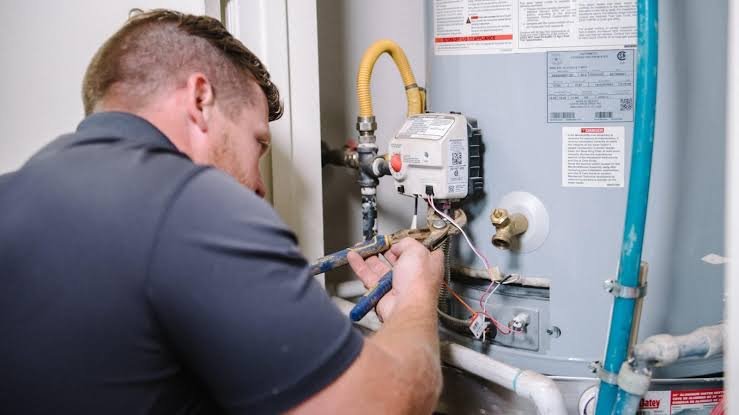
A faulty thermostat, worn heating element, damaged valve, or loose connection may be repairable. In situations like these, professional water heater repair can restore the system without the expense of replacing the entire appliance.
The important question is what caused the problem and how old the heater is.
Repairing a relatively young system with a straightforward component failure can be perfectly reasonable. On the other hand, an older tank with corrosion, repeated leaks, and frequent breakdowns may be nearing the end of its useful life.
A good technician should explain the options instead of automatically pushing you toward replacement.
When Replacement Becomes the Better Choice
Eventually, every water heater reaches a point where repair isn’t the smartest long-term investment.
If the tank itself is leaking, replacement is often necessary because the internal structure has been compromised. Repeated repairs can also add up. At some point, spending money again and again on an aging appliance doesn’t make much sense.
Efficiency is another consideration. Newer water heaters may offer improved energy performance compared with older models, depending on the technology and household usage.
When replacing a system, think about your actual hot-water needs. A larger tank isn’t automatically better. An oversized unit may waste energy, while a system that’s too small may struggle during busy mornings when everyone wants a shower at once.
What to Consider Before a New Installation
Installing a new water heater isn’t simply a matter of removing the old one and putting another in its place.
Professional water heater installation should take into account the property’s plumbing configuration, energy source, available space, household demand, safety requirements, and the type of heater being selected.
Tank-style heaters remain common, but tankless and other technologies may also be suitable in certain homes. Each option has advantages and limitations.
For example, tankless systems can provide hot water without storing a large tank of heated water, while traditional tank systems are familiar and can provide a substantial reserve. The right choice depends on the property and how the household uses hot water.
Getting the sizing right is especially important. Think about how many people live in the home, when hot water is typically used, and whether appliances such as dishwashers and washing machines run during the same periods.
Simple Habits Can Help Your Heater Last Longer
You don’t need to become a water-heater expert to take better care of your system.
Keep the area around the heater clear so it can be inspected easily. Don’t ignore unusual sounds or smells. Check visible connections occasionally for moisture or corrosion. If your system has manufacturer-recommended maintenance requirements, follow them.
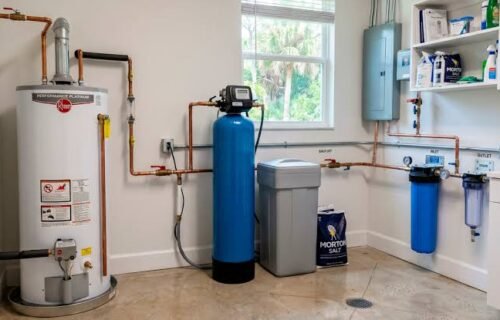
For tank-style systems, sediment management may also be important depending on water quality and the heater design. Hard water can contribute to mineral buildup, which may affect performance over time.
And never treat a safety issue casually. If you notice a gas smell around a gas-powered unit, leave the area and contact the appropriate emergency or gas service rather than trying to troubleshoot it yourself.
The Right Repair Can Save More Than Money
It’s easy to think of a water heater as just another appliance. In reality, it plays a surprisingly large role in daily comfort.
Ignoring small problems can turn a manageable repair into a flooded utility room. On the other hand, replacing a system too early can mean spending money you didn’t need to spend.
The best approach sits somewhere in the middle: pay attention, maintain what you have, and get professional advice when something seems off.
A little knowledge goes a long way. Know the age of your water heater. Learn the warning signs. Understand whether repair or replacement makes sense. And when installation day finally arrives, make sure the new system is properly sized and professionally fitted.
Hot water may be something we take for granted, but when the system behind it is cared for properly, you can keep taking that hot shower without giving the machinery behind it a second thought. That’s really the whole point.