How Water Softeners Help Protect Your Home From Hard Water Damage
Water is one of those things we use all day without giving it much thought. We turn on the shower, wash dishes, run the laundry, and fill a glass from the tap. But when the water contains too many dissolved minerals, those everyday routines can slowly become frustrating. Spots appear on glassware, soap refuses to lather properly, and fixtures lose their shine.
Hard water is common in many parts of the world, and while it’s not usually considered a serious health concern, it can create practical problems around the home. Understanding what causes these issues—and how to manage them—can help homeowners protect their plumbing, appliances, and daily comfort.
What Makes Water Hard?
Hard water contains elevated levels of naturally occurring minerals, particularly calcium and magnesium. As groundwater moves through soil and rock, it can absorb these minerals before entering wells, municipal supplies, or other water sources.
The hardness level varies considerably from one location to another. Some households may barely notice it, while others deal with mineral deposits almost immediately after cleaning. Water testing is the most reliable way to determine how hard the water actually is.
Although hard water is generally safe to drink, its effects can become more noticeable when heated or combined with soap. That’s where many household complaints begin.
The Everyday Signs of Hard Water
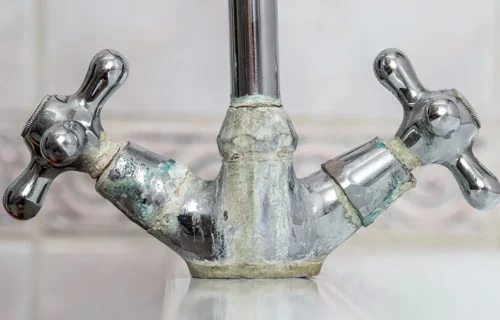
One of the earliest signs of hard water is often a thin, chalky residue on faucets, shower doors, and sinks. Dishes may come out of the dishwasher with cloudy spots, even after a complete cycle. Clothes can feel rough or look dull after repeated washing.
Soap and shampoo may also struggle to create a rich lather. Hardness minerals react with soap, forming a residue that can cling to skin, hair, and bathroom surfaces. Some people describe their skin as feeling dry or their hair as less manageable, though these experiences can vary.
These may seem like small annoyances, but when they happen every day, they add up. Cleaning takes longer, products get used more quickly, and appliances may require extra attention.
Common Hard Water Problems Around the House
The effects of hard water extend beyond cosmetic issues. Over time, mineral deposits can accumulate inside pipes, water heaters, washing machines, dishwashers, and other water-using appliances.
One of the most common hard water problems is reduced efficiency in water-heating equipment. When minerals collect on heating elements or inside tanks, the equipment may need more energy to transfer heat effectively. This can contribute to higher operating costs and increased maintenance needs.
Hard water can also affect laundry. Mineral residue may prevent detergents from working as effectively, leaving fabrics feeling stiff or making colors appear less vibrant. While detergent adjustments may help in mild cases, persistent hardness often requires a more comprehensive solution.
Why Scale Buildup Deserves Attention
Mineral deposits become especially troublesome when they harden into a stubborn layer known as scale. This is particularly common in areas where water is heated regularly, such as inside water heaters, coffee machines, and hot-water pipes.
Scale buildup can restrict water flow, reduce heating efficiency, and place stress on equipment. In severe cases, deposits may contribute to blockages or costly repairs. The extent of the problem depends on water hardness, temperature, usage patterns, and how long the minerals have been accumulating.
Regular cleaning can remove surface deposits, but it doesn’t address the minerals entering the water system in the first place. That’s why many homeowners look for ways to reduce hardness at the source.
How Water Softeners Work
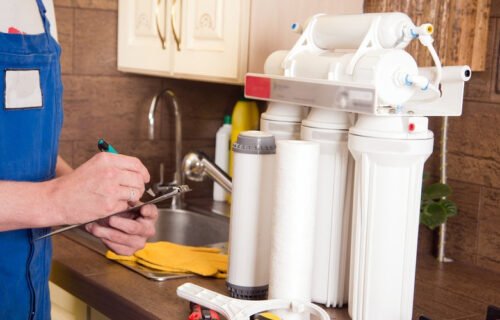
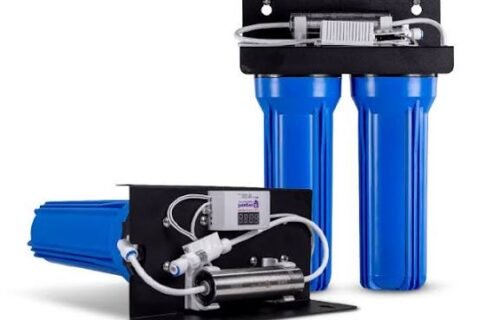
A water softener is designed to reduce calcium and magnesium in the water supply. Most traditional systems use a process called ion exchange. Water passes through a tank containing resin beads, which attract hardness minerals and exchange them for sodium or, in some systems, potassium ions.
Once the resin becomes saturated, the system enters a regeneration cycle. During regeneration, a salt-based solution helps restore the resin’s ability to capture minerals. The system then rinses itself before returning to normal operation.
Modern water softeners are available in different sizes and configurations. Some use demand-based regeneration, meaning they regenerate according to actual water consumption rather than following a fixed schedule. This can help improve salt and water efficiency when the system is properly programmed.
Choosing the Right Softener for Your Home
Not every household needs the same type or size of softener. The right choice depends on several factors, including water hardness, household size, daily water consumption, and the number of bathrooms and appliances using water.
A system that is too small may struggle during periods of heavy usage. An oversized unit may cost more than necessary and could operate inefficiently if it isn’t configured correctly.
Before purchasing, homeowners should consider getting a professional water test. It can help identify hardness levels and reveal whether other concerns—such as iron, sediment, or unpleasant odors—may require additional treatment.
It’s also important to think about installation space, drainage, salt storage, and ongoing maintenance. A softener is a long-term household investment, not just another appliance to plug in and forget.
Maintenance Makes a Difference
Water softeners generally require routine care to perform properly. Salt-based systems need regular replenishment, while the brine tank and resin system may require occasional inspection or cleaning. Some units also include filters or pre-treatment components that need attention.
Homeowners should follow the manufacturer’s maintenance recommendations and keep an eye on changes in water quality. If water begins to feel different, spots return, or salt consumption suddenly increases, the system may need adjustment or servicing.
Skipping maintenance can reduce effectiveness and may lead to unnecessary repairs. A little attention every few months is usually far easier than dealing with a neglected system later.
Are Water Softeners Worth It?
For homes with moderate to severe hard water, a properly selected softener can help reduce mineral deposits, improve soap performance, and protect water-using appliances. It may also make cleaning easier and improve the overall feel of water during showers and washing.
However, water softeners are not a universal answer to every water-quality concern. They primarily address hardness minerals and may not remove contaminants such as bacteria, certain chemicals, or dissolved substances that require other treatment technologies.
The best approach is to understand the actual water quality first. A test-based decision helps homeowners avoid paying for equipment that doesn’t solve their particular problem.
A More Comfortable Water Experience
Hard water may not announce itself dramatically, but its effects can become part of everyday life. From cloudy glassware to mineral deposits inside appliances, the signs are often easy to recognize once you know what to look for.
With proper testing, the right treatment system, and regular maintenance, homeowners can reduce many of these frustrations. Water softening isn’t about changing water for the sake of it. It’s about protecting the things that rely on water—and making ordinary household routines a little easier.