A Practical Approach to Better Water Quality at Home
Water has a funny way of becoming invisible in our daily lives. We use it to make coffee before we’re fully awake, rinse vegetables, wash clothes, take long showers, and fill the dog’s bowl. It’s always there, so we don’t spend much time wondering what’s actually flowing through the pipes.
Until something changes.
Maybe the shower leaves a chalky film on the glass. Perhaps the laundry doesn’t feel quite as soft as it used to. You might notice an odd taste in your drinking water or find stubborn stains around faucets. These aren’t necessarily signs of a major problem, but they are clues worth paying attention to.
Good water treatment isn’t about making water complicated. It’s about understanding what your household water contains and choosing a solution that fits your needs.
Look at the Water Before Choosing Equipment
One of the biggest mistakes homeowners can make is purchasing treatment equipment based solely on a symptom.
For instance, cloudy water doesn’t automatically mean you need the same system as your neighbor. A metallic taste could come from minerals, plumbing, or another source. Even hardness varies significantly from one location to another.
Testing provides a much clearer starting point.
A water-quality test can measure characteristics such as hardness, pH, iron, manganese, chlorine, dissolved solids, and other factors. Private well owners may also need microbiological testing depending on their circumstances.
Once you know what you’re dealing with, selecting equipment becomes far less of a guessing game.
What Residential Water Treatment Can Actually Do
A home water system can address a surprisingly wide range of concerns, but different technologies have different jobs.
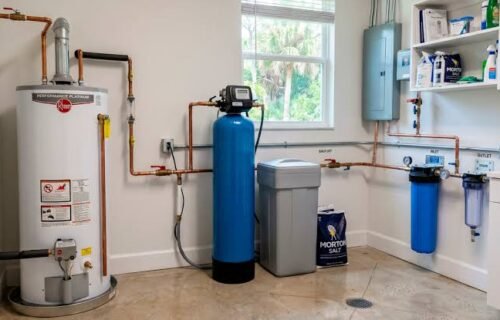
Residential water treatment may involve filtration, softening, sediment removal, disinfection, reverse osmosis, or a combination of approaches. The appropriate setup depends on the source of the water and the problems identified during testing.
For some households, the biggest issue is hard water. For others, taste and odor are the priority. Someone with well water may be concerned about iron or sulfur odors, while another homeowner may mainly want better drinking water at the kitchen faucet.
There’s no reason to install equipment that solves problems you don’t have.
Hard Water Can Be a Daily Nuisance
Hard water is often easy to recognize once you know the signs.
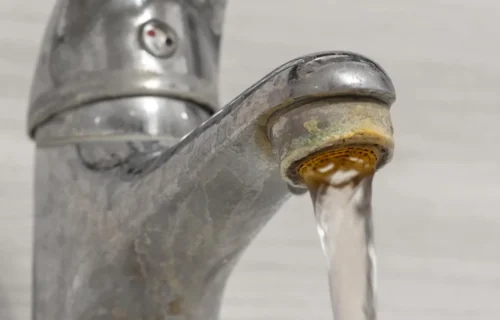
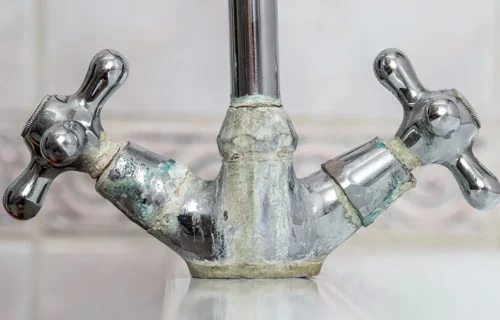
White mineral spots around faucets, cloudy glassware, scale inside kettles, and soap that doesn’t seem to rinse properly are common complaints. Over time, mineral deposits can also affect certain water-using appliances and fixtures.
Water softeners are commonly used when hardness is the primary concern. They work by reducing calcium and magnesium ions responsible for many of those scale-related problems.
The result can be more comfortable showers, easier cleaning, and less mineral buildup. But a softener isn’t a universal purifier. It shouldn’t be expected to remove every contaminant, improve every taste, or solve unrelated water-quality problems.
Knowing that distinction can prevent a lot of unnecessary spending.
Drinking Water May Need a Different Strategy
Whole-home treatment and drinking-water treatment aren’t always the same thing.
You may want to address hardness throughout the house while giving additional attention to the water you drink and use for cooking. That’s where point-of-use treatment can make sense.
Reverse osmosis systems are one option for highly treated drinking water. They use a semipermeable membrane to reduce many dissolved substances, with the exact performance depending on the system design, membrane, and incoming water quality.
RO can be particularly useful when testing identifies dissolved contaminants that other filters aren’t designed to reduce. It does, however, involve filter and membrane maintenance, and some systems produce reject water as part of the process.
Like most things in water treatment, there are benefits and trade-offs.
Don’t Forget Sediment
Sediment doesn’t always get the attention it deserves.
Tiny particles of sand, rust, or other material can enter a water supply and affect faucets, appliances, filters, and downstream treatment equipment. In homes with private wells, sediment concerns may be more noticeable, although municipal systems can experience them as well.
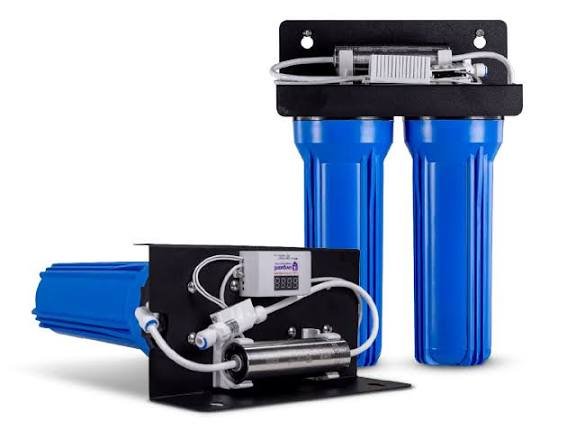
A properly selected sediment filter can capture suspended particles before they travel farther into the home’s plumbing.
But filtration has limits. A sediment filter is not necessarily designed to remove dissolved minerals or microorganisms. That’s why identifying the type of contaminant matters before choosing the filter.
Taste and Odor Tell Part of the Story
Water doesn’t have to look dirty to taste unpleasant.
Chlorine can be noticeable in some municipal water supplies. Iron may contribute to a metallic taste. Hydrogen sulfide can create the familiar rotten-egg smell that sends people reaching for bottled water.
While taste and odor aren’t complete diagnostic tools, they are useful clues.
If something suddenly changes, it’s worth investigating. A change could be related to the incoming supply, plumbing work, treatment equipment, or seasonal conditions. Testing can help separate a harmless nuisance from a problem that needs attention.
Well Water Requires Ongoing Awareness
Private well owners have a different relationship with their water. There isn’t a municipal treatment facility managing the supply on their behalf, so homeowners need to take a more active role.
Regular testing can establish a baseline and make changes easier to identify. This is particularly useful after flooding, heavy rainfall, nearby construction, or other events that could affect groundwater.
A well that has provided excellent water for years isn’t guaranteed to remain exactly the same forever. Groundwater conditions can shift.
That doesn’t mean you should worry constantly. It simply means checking the water periodically is a sensible part of home maintenance.
More Equipment Isn’t Always Better
Water treatment can become unnecessarily complicated when homeowners chase every possible improvement.
A salesperson might recommend several pieces of equipment, each designed to solve a different theoretical concern. But if your water test doesn’t show those concerns, you may be paying for equipment that provides little practical value.
Start with the basics.
What is in the water? What bothers you about it? What needs to be removed or reduced? How much water does your household use? Do you want to treat the entire home or only drinking water?
Those questions usually lead to better decisions than shopping by brand name alone.
Maintenance Keeps Good Equipment Working
Even the right system won’t perform forever without attention.
Filters need replacement. Softener tanks and controls may require inspection. RO membranes eventually need servicing. Connections should be checked, and some equipment may require cleaning or sanitization.
The maintenance schedule depends on the technology and water conditions, so follow the manufacturer’s recommendations rather than relying on a generic calendar.
It’s also smart to keep simple records. Write down when filters were changed and when the system was serviced. If something goes wrong later, you’ll have useful information rather than trying to remember what happened six months ago.
Think About the Household, Not Just the Water
Water treatment is ultimately about people and how they use a home.
A household of two may have very different water demands from a family of six. A property with several bathrooms may experience higher peak flow. Homes with well pumps may have additional considerations involving pressure and flow.
Installation space matters, too. Treatment equipment needs room for servicing, filter replacement, drainage, and other practical requirements.
A system can have excellent specifications on paper and still be the wrong fit for the property.
Better Water Starts With a Thoughtful Plan
Improving household water quality doesn’t require chasing the newest gadget or installing every treatment technology available.
It starts with paying attention.
Notice changes in taste, smell, staining, scale, and pressure. Test the water when appropriate. Understand what the results mean. Then choose treatment equipment based on actual needs rather than assumptions.
For some homes, the answer may be a softener. Others may benefit from filtration, targeted drinking-water treatment, or a combination of technologies. And sometimes, the test results may show that the existing water is perfectly acceptable with only minor improvements needed.
That’s worth knowing, too.
The best water treatment system is rarely the most complicated one. It’s the system that quietly does what your household needs, remains manageable to maintain, and gives you confidence every time you turn on the tap.
After all, good water treatment shouldn’t become something you constantly think about. Ideally, it just works — day after day, glass after glass.