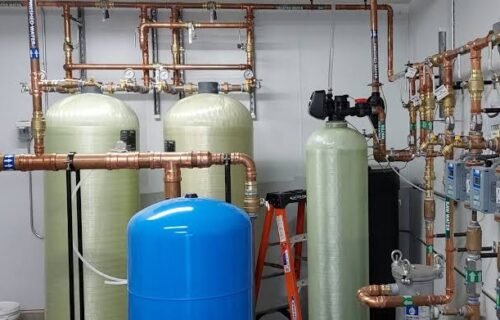
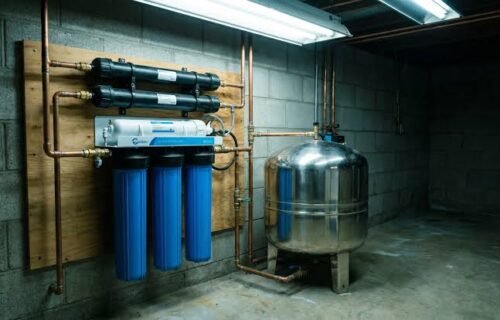
Finding the Right Water Treatment Approach for Your Home
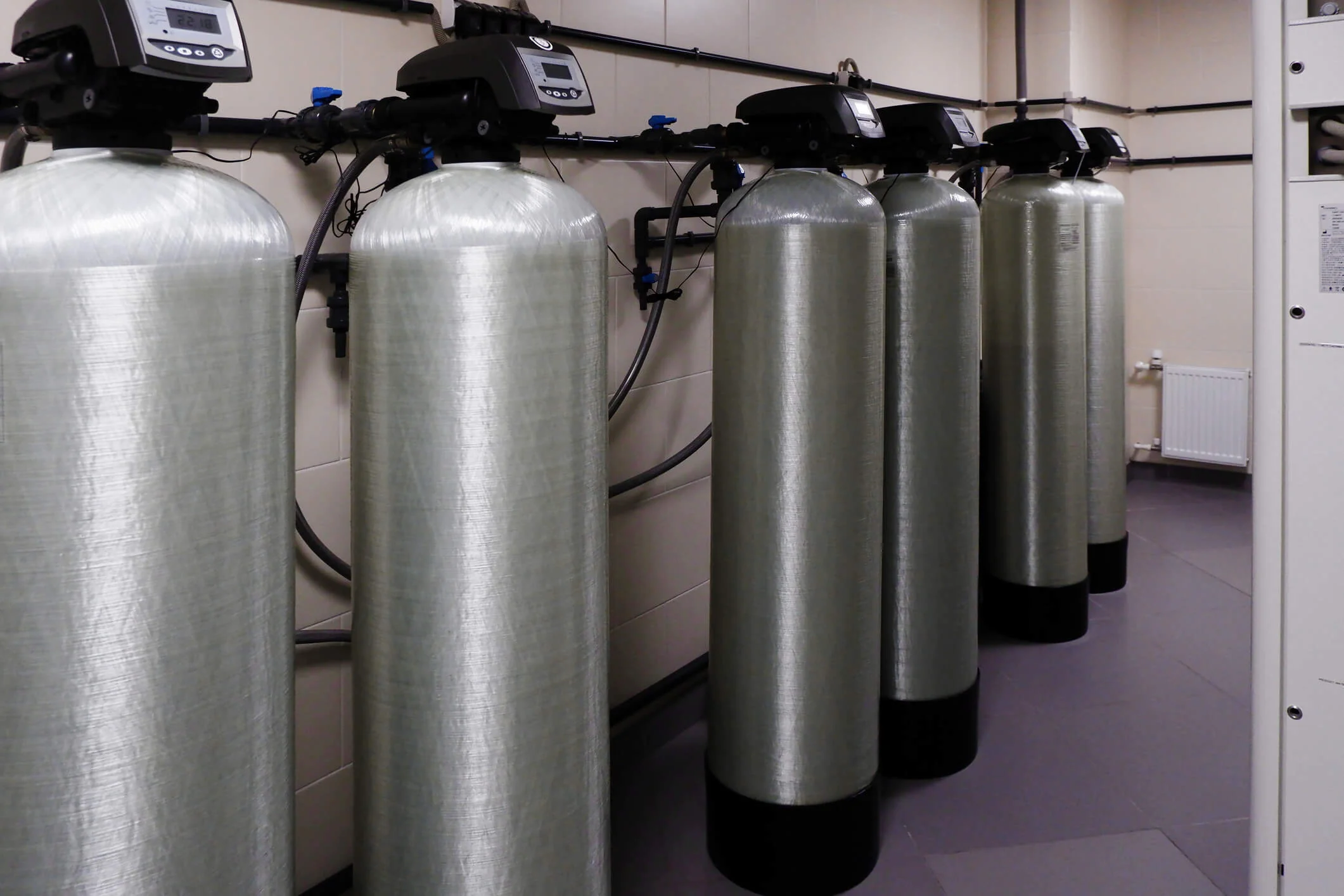
Water is one of those household essentials you don’t really notice until it starts behaving differently. A glass tastes slightly off. The shower leaves spots on the door. The sink develops a crusty ring that seems to return no matter how often you clean it. Sometimes the signs are small enough to ignore. Other times, they become too annoying to brush aside.
That’s usually when homeowners start looking into water treatment.
And quickly discover there’s a lot to consider.
There are filters, softeners, membranes, cartridges, whole-home systems and specialty equipment designed for particular water conditions. It can feel like choosing a phone plan with twenty different options when all you wanted was something that works.
The sensible approach is to slow down and identify the actual problem first. Once you understand your water, choosing a treatment method becomes much easier.
Every Home Has Different Water
Water quality isn’t identical from one property to another. Municipal water has already gone through treatment, but its characteristics can still be influenced by the source, distribution system and plumbing inside the home.
Private wells are another matter entirely. Groundwater can pick up minerals and other substances from the surrounding geology, and conditions may change over time.
Even neighbors can have different experiences. One household might complain about hard water while another nearby has concerns about sediment or odor.
That is why copying someone else’s treatment setup isn’t always the smartest move. Their system may be perfect for their water and completely unnecessary for yours.
Start With Testing Instead of Guessing
Homeowners often notice symptoms before they know the cause.
White scale may point toward hardness. A metallic taste could have several possible explanations. Sediment might be coming from the water source or plumbing. An unusual smell doesn’t automatically identify a specific contaminant.
Testing can help separate assumptions from useful information.
Depending on the test, you may learn about hardness, pH, iron, chlorine, dissolved solids and other characteristics. From there, you can focus on treatment that actually addresses the conditions present in your water.
It’s a fairly simple idea: don’t buy a solution until you understand the problem.
Hard Water Can Be a Daily Nuisance
Hard water tends to announce itself slowly.
You might see cloudy spots on glassware, mineral buildup around faucets or deposits inside fixtures. Soap may not rinse as easily, and clothes can sometimes feel rough after repeated washing.
For households dealing with these issues, water softeners can be an effective option because they’re specifically designed to reduce the calcium and magnesium responsible for hardness.
That doesn’t mean every home needs one. Mild hardness may not justify the expense, while significant hardness can make a properly sized softener a worthwhile investment.
The goal is balance. Treat the problem without creating unnecessary complexity.
Filtration Is a Different Conversation
Filtration and softening are often discussed as though they’re interchangeable. They aren’t.
A softener focuses primarily on hardness minerals. Filtration can target particles, certain chemicals, tastes, odors and other substances depending on the technology and filter media.
There are many types of filtration systems, which is why the label alone doesn’t tell you much. A sediment filter and a carbon filter perform different jobs. Reverse osmosis works differently again.
When comparing systems, ask what the equipment is actually designed to reduce. Don’t settle for broad claims about “cleaner water.” Specific information is much more useful.
Some Water Problems Need Specialized Treatment
Most households don’t need every possible type of filtration equipment. But certain water conditions do call for more targeted solutions.
Iron, sulfur-related odors, particular dissolved contaminants or other unusual characteristics may require treatment beyond a standard carbon or sediment filter.
That’s where specialty water filters can have a place. These products are generally designed around particular water-quality challenges rather than serving as general-purpose equipment.
The important part is identifying the condition first. Specialized treatment can be very useful when it’s properly matched to the problem. Without testing, though, it’s easy to spend money on equipment that doesn’t accomplish much.
Think About Where Treatment Is Needed
Not every water concern has to be addressed throughout the house.
If your primary goal is improving drinking water at the kitchen sink, a point-of-use system may be enough. If you’re dealing with hardness that affects showers, appliances and laundry, whole-home treatment may make more sense.
This distinction can significantly affect both cost and installation.
There’s no prize for treating more water than necessary. If a smaller, targeted solution solves the issue, that’s often the better choice.
Household Size Matters
Water treatment equipment needs to keep up with the people using it.
A two-person household may have relatively modest demand. A busy family can create much higher usage, especially during mornings when multiple showers, faucets and appliances are running at once.
System capacity and flow rate should therefore be considered carefully.
An undersized unit may struggle during peak usage. An oversized system can add unnecessary expense.
Professional sizing can help avoid both situations and make sure the equipment fits the home’s actual demand.
Don’t Forget Installation
A treatment system doesn’t operate in isolation. It becomes part of your home’s plumbing.
Installation may involve shutoff valves, bypass lines, drainage, electrical connections and other considerations depending on the equipment. There should also be enough physical space to access filters and components later.
This last point sounds minor until you need to change a filter and discover that the system is wedged between a water heater and a wall.
Plan for maintenance from the beginning. Future you will appreciate it.
Maintenance Keeps the System Working
Water treatment equipment needs attention, even when that attention is occasional.
Filters eventually become saturated. Media can wear down. Salt-based systems require supplies. Some equipment benefits from periodic cleaning, inspection or sanitization.
Before buying a system, understand its maintenance requirements. Find out how often components need replacement and whether those parts are easy to obtain.
A treatment system that sits neglected isn’t going to deliver the results you expected.
The good news is that routine maintenance is usually manageable when you know what’s required. Put reminders on a calendar if necessary. It’s not exciting, but neither is discovering an overdue filter after months of wondering why the water quality has changed.
Consider the Long-Term Cost
The purchase price tells only part of the story.
Replacement filters, salt, electricity, service calls and repairs can all contribute to ownership costs. A cheaper system might look attractive initially but become expensive if replacement parts are difficult to source.
On the other hand, expensive equipment isn’t automatically superior.
Look for reasonable operating costs, dependable components and a service plan that makes sense for your situation.
The Right System Should Feel Like a Solution
Water treatment doesn’t need to be complicated, although the number of choices can certainly make it seem that way.
Start with the water itself. Understand the source. Test when appropriate. Identify the actual concern, then choose technology designed to address it.
Maybe your home needs softening. Maybe filtration at one faucet is enough. Perhaps a whole-home approach makes more sense, or a specific water condition calls for specialty treatment.
The best system is the one that fits the problem without creating three new ones.
Ultimately, good water treatment is less about chasing perfection and more about making a sensible improvement. When the water tastes better, fixtures stay cleaner and household equipment gets the protection it needs, you notice the difference.
And after a while, you probably stop noticing it — which, in a way, is the best sign that you chose well.