When Your Water Leaves a Mess: Understanding Softening, Scale, and Rust
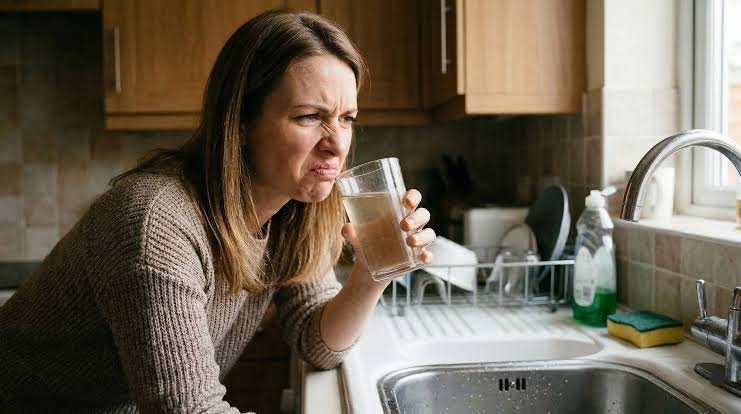
You usually know when something is wrong with your home’s water. The evidence tends to show up in annoying little ways: a shower door covered in cloudy spots, faucets that never seem to stay clean, laundry that feels rough, or a glass of water that has an odd metallic taste.
None of these signs should automatically send you into panic mode. But they are worth paying attention to. Water chemistry can have a surprisingly big effect on plumbing, appliances, cleaning routines and even how comfortable your home feels.
The good news is that most household water problems have understandable causes. Once you know what you’re looking at, choosing a sensible treatment approach becomes much easier.
Start by Finding Out What’s in the Water
Before buying any equipment, test the water.
It sounds simple, but testing is one of the most useful steps a homeowner can take. Water can contain varying levels of hardness minerals, iron, sediment and other substances depending on the source and local conditions.
A water test gives you actual information instead of relying on appearance or taste. That’s important because clear water isn’t necessarily free from every substance you may want to reduce, while water that tastes slightly unusual isn’t automatically unsafe.
Once the results are available, you can focus on treatment that addresses a real problem rather than spending money on equipment you may not need.
Why Whole-Home Softening Can Make a Difference
Hard water is one of the most common reasons homeowners explore treatment options. Calcium and magnesium aren’t generally dangerous at typical levels, but they can leave deposits and create plenty of household frustration.
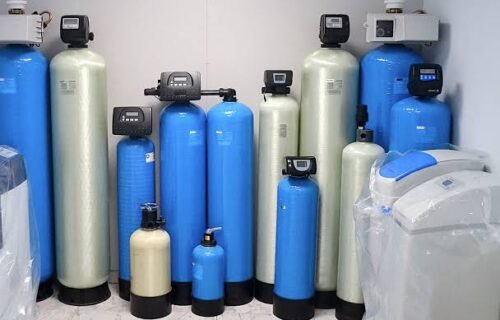
For homes where hardness affects multiple fixtures, whole home water softener systems can provide treatment at the point where water enters the property. That means softened water can reach showers, sinks, laundry areas and appliances throughout the house.
The benefit is consistency. Instead of installing separate solutions at individual fixtures, the household has one central system designed around its overall water use.
Of course, proper sizing matters. A system that’s too small may struggle during periods of high demand, while an oversized system can cost more than necessary.
The Trouble With Mineral Deposits
You don’t need a laboratory to recognize scale.
It often appears as a white or chalky residue around faucets, showerheads and glass. Inside plumbing and water-using appliances, however, the buildup can be harder to see.
Over time, hard water / scale buildup can affect water heaters, dishwashers and other equipment. Deposits may restrict flow or reduce heating efficiency, which can contribute to higher maintenance costs.
This is one reason homeowners sometimes discover that treating their water isn’t just about making the shower feel nicer. It can also be about protecting expensive equipment from a problem that gradually gets worse in the background.
Iron Can Tell a Different Story
Iron in water has a personality of its own. Even relatively modest amounts can leave orange or reddish stains around sinks, toilets and tubs. White laundry may develop rusty-looking marks, and the water may sometimes have a metallic taste.
When homeowners notice these symptoms, iron & rust treatment may need to be considered separately from ordinary water softening.
That’s because the type and concentration of iron matter. Dissolved iron, particulate iron and other forms can behave differently during treatment. A system designed for hardness alone may not solve an iron problem effectively.
Testing is particularly useful here because it helps determine which treatment method makes sense instead of relying on trial and error.
Don’t Assume One System Does Everything
This is where water treatment can get confusing.
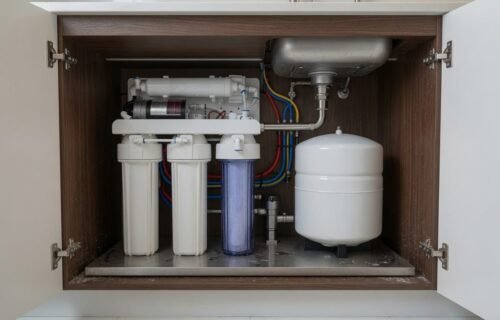
A water softener is designed primarily to address hardness. A sediment filter handles particles. Carbon filtration can target certain taste and odor compounds. Iron treatment is designed around iron-related problems, while reverse osmosis is often used for reducing many dissolved substances at a point of use.
These technologies can sometimes work together, but they aren’t interchangeable.
If someone tells you one piece of equipment will “remove everything,” take a moment before reaching for your wallet. Ask what the system is actually designed to reduce and whether there is testing or certification supporting the claim.
Protecting Your Water Heater
Your water heater deserves more attention than it usually gets.
It works quietly in the background, providing hot water for showers, laundry, dishwashing and cleaning. But mineral deposits can accumulate inside the tank or on heating components, depending on the type of heater and the water conditions.
Reducing hardness can help limit scale formation, although the actual benefit depends on the existing water chemistry and equipment.
Regular maintenance still matters. Water treatment isn’t a substitute for flushing, inspection or following the manufacturer’s maintenance recommendations.
What About Taste and Odor?
Water can be technically acceptable while still tasting unpleasant.
Chlorine is one common reason people notice a difference in taste or smell, particularly in treated municipal supplies. Other compounds can create earthy, metallic or sulfur-like odors.
The right filtration technology depends on what’s causing the problem. Carbon filtration, for instance, is commonly used for certain taste and odor concerns, but it won’t solve every water-quality issue.
Again, testing provides a much clearer path forward.
Consider Water Use Before Choosing Equipment
A two-person household doesn’t use water in quite the same way as a family of six. Morning showers, laundry, dishwashers and multiple bathrooms can create short periods of high demand.
When selecting treatment equipment, consider peak usage rather than looking only at average daily consumption.
It’s also worth thinking about where the equipment will be installed. You’ll need enough room for the system, appropriate plumbing connections and, depending on the technology, access to drainage or electrical power.
These aren’t glamorous details, but they matter once installation day arrives.
Maintenance Is Part of Owning the System
Water-treatment equipment isn’t completely hands-off.
Softener systems may require salt replenishment and periodic service. Filters need replacement. Valves and other components may eventually need inspection. If iron is involved, maintenance requirements can be more demanding depending on the treatment technology.
The best time to learn about maintenance is before purchasing the system.
Ask how often service is required, what replacement parts cost and whether the system can be serviced locally. A treatment solution that’s easy to maintain is far more practical than one that becomes a forgotten piece of equipment in the garage.
Make the Choice Based on Your Water, Not Someone Else’s
A neighbor’s recommendation can be helpful, but it shouldn’t be the deciding factor.
Their water source, plumbing and household usage may be completely different from yours. Even two homes on the same street can have different water-quality concerns.
Start with a test. Identify the biggest problem. Decide whether your priority is reducing hardness, controlling scale, addressing iron, improving taste or protecting appliances.
Then choose treatment based on those findings.
Good water treatment isn’t about making your home unnecessarily complicated. It’s about solving the problems that actually exist. When the system is properly matched to the water, the improvements can be subtle but meaningful—cleaner fixtures, fewer stains, better-performing appliances and less time spent scrubbing mineral deposits.
And honestly, that’s the kind of home improvement most people appreciate. You don’t need to think about it every day. You just notice that the water works better, the house stays cleaner, and one more irritating household chore has quietly become less of a chore.