Making Better Water Choices for Homes in the Treasure Valley
Water is easy to take for granted. It comes out of the faucet, fills the coffee maker, runs through the shower, and disappears down the drain. Most days, nobody gives it a second thought. Then a glass tastes a little strange, mineral spots start appearing on the fixtures, or an appliance seems to collect buildup faster than expected.
Those moments are a reminder that water quality isn’t exactly the same everywhere. Local conditions, plumbing, water sources, and seasonal changes can all influence what comes into a home. For families in the Treasure Valley, understanding those factors can make choosing treatment equipment much less confusing.
The goal isn’t to turn your house into a laboratory. It’s simply to figure out what your water needs and choose a practical way to improve it.
Start With What You Actually Notice
Every home has its own clues. Maybe your showerhead develops white deposits. Perhaps laundry doesn’t feel as soft as it used to, or your morning coffee has an odd aftertaste. Sometimes there’s sediment, staining, or an unpleasant odor.
These signs don’t always identify the cause by themselves, but they’re useful starting points.
Before buying a treatment system, make a short list of what you’re experiencing. Where does the problem occur? Is it every faucet or only one? Does it happen with hot water, cold water, or both? Has anything changed recently?
Simple observations can save you from spending money on equipment that addresses the wrong issue.
Local Conditions Deserve Local Thinking
Homes in the Treasure Valley don’t all receive water under identical conditions. Differences in water sources, household plumbing, and individual property characteristics can affect treatment needs.
That’s why water solutions for treasure valley homes shouldn’t be based entirely on a generic national recommendation. A system that works perfectly for one household may be unnecessary—or insufficient—for another.
Water testing can help establish a clearer picture. Depending on the source and concerns involved, testing may examine hardness, pH, iron, sediment, dissolved minerals, and other characteristics.
Once you know what you’re dealing with, the conversation becomes much more straightforward.
Hard Water Can Become an Everyday Irritation
Hard water is one of those problems that rarely announces itself dramatically. Instead, it shows up in small annoyances.
You scrub the shower glass and notice the spots return. Soap doesn’t lather quite the way you’d expect. Faucets develop crusty deposits. Over time, mineral buildup can affect water-using appliances as well.
For households dealing with hardness, treatment can make cleaning easier and reduce scale-related frustration. The right approach depends on the degree of hardness and what the household wants to accomplish.
And there’s a practical point here: treating hard water isn’t necessarily about making water “perfect.” Sometimes it’s about making everyday life a little easier.
Drinking Water May Need a Different Approach
The water used to wash clothes doesn’t necessarily need the same treatment as water used for drinking and cooking.
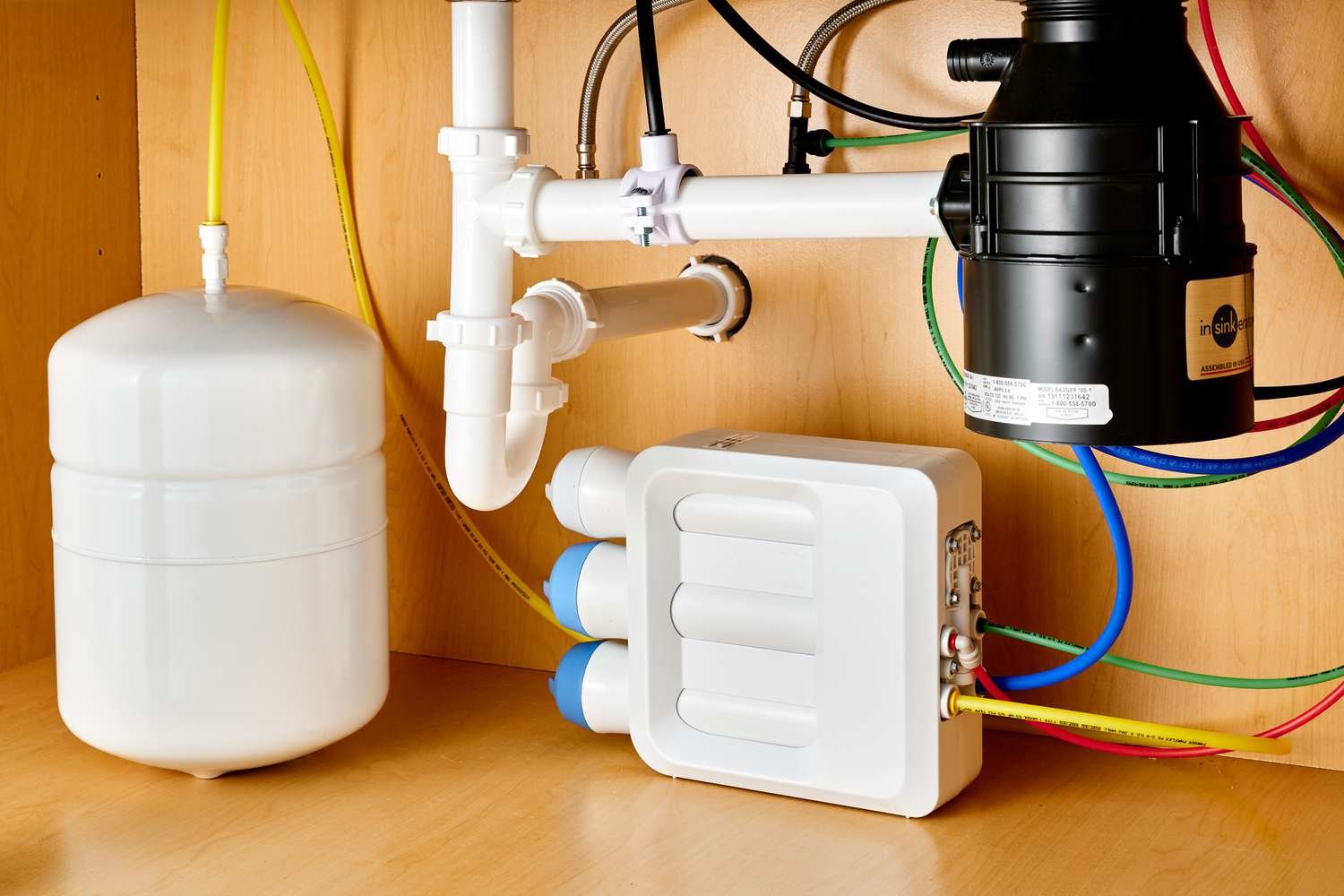
Some households prefer point-of-use filtration at the kitchen sink, particularly when their main concern is taste or specific drinking-water contaminants. Others may want a broader treatment strategy.
The important thing is to match the system to the goal. If drinking water is the priority, focus on technologies designed for that purpose rather than assuming a whole-house system is automatically the best answer.
There’s nothing wrong with keeping things simple when simple works.
Customized Treatment Makes More Sense Than Guesswork
One of the biggest mistakes homeowners make is assuming every water problem can be solved with the same piece of equipment.
In reality, different issues call for different technologies. Sediment, hardness, iron, odors, and specific contaminants don’t necessarily respond to the same treatment method.
That’s why customized solutions can be valuable. A thoughtful system design considers the water source, test results, household size, flow requirements, plumbing configuration, and the concerns that matter most to the homeowner.
It also avoids unnecessary equipment. If you don’t need a particular treatment stage, there’s little reason to pay for it.
Don’t Forget About Water Pressure
Water treatment systems become part of your home’s plumbing, so flow and pressure matter.
An undersized system may struggle when several fixtures are running at once. A clogged filter can restrict flow. Incorrect installation can create pressure problems that aren’t obvious until someone takes a shower while the washing machine is filling.
Before installing equipment, consider peak household demand. How many people live in the home? How many bathrooms are there? Are multiple fixtures commonly used at the same time?
These details might seem boring during the planning stage, but they can make a noticeable difference later.
Maintenance Should Be Part of the Plan
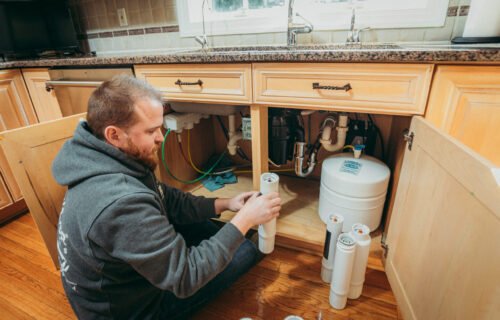
Even the best equipment needs attention. Filters have finite lifespans, membranes eventually require replacement, and mechanical components can need inspection.
The good news is that routine maintenance doesn’t have to be overwhelming. Keep track of filter changes and service dates. Watch for changes in pressure, taste, odor, or water appearance. If something suddenly seems different, don’t simply ignore it.
A system that receives regular care is more likely to perform consistently.
It also helps to understand maintenance costs before purchasing. The cheapest equipment upfront may not be the cheapest choice over several years.
Think About the People Using the Water
Water treatment isn’t just about numbers on a laboratory report. It’s also about how the water fits into daily life.
If someone in the household hates the taste of tap water, that matters. If mineral buildup means cleaning the bathroom every few days, that matters too. If an older filtration system is difficult to maintain, that’s part of the equation.
Good water treatment should make life easier, not add another complicated routine.
This is why conversations about household habits are surprisingly useful when choosing equipment.
Quality Is About More Than Taste
Taste is probably the first thing people notice, but water quality involves more than flavor.
Water can interact with plumbing and appliances, leave mineral deposits, affect laundry, and influence how comfortable showers and cleaning feel. Depending on the water source, there may also be specific contaminants or characteristics that require attention.
Testing provides useful information, while appropriate treatment can address identified concerns.
In the end, better water quality is less about chasing some vague idea of “perfect water” and more about creating water that suits your household’s needs and is appropriate for its intended use.
Choose Practical Improvements, Not Just Impressive Equipment
The water-treatment industry offers plenty of sophisticated systems, but homeowners don’t necessarily need the most complicated option.
A better question is: What problem are we solving?
If the answer is clear, selecting equipment becomes easier. You can compare technologies based on their actual purpose, expected maintenance, operating costs, and long-term reliability.
That approach also makes it easier to recognize unnecessary features or oversized equipment.
Sometimes the smartest solution isn’t the one with the longest specification sheet. It’s the one that quietly works.
Better Water Starts With Better Decisions
Improving household water quality doesn’t have to involve guesswork or an endless search for the “perfect” system. Start by paying attention to the symptoms, test the water when appropriate, and understand what you want the treatment to accomplish.
From there, consider your household’s size, plumbing, water use, maintenance preferences, and budget. Local conditions matter, but so do personal priorities.
When those pieces come together, water treatment becomes much less mysterious. You’re no longer buying equipment simply because it sounds impressive. You’re choosing a system for a reason—and that usually leads to a home where cleaner, more comfortable, more dependable water becomes one less thing to worry about.