A Better Approach to Water Quality Starts at Home
Water is one of those everyday comforts that rarely gets a second thought. We turn on the kitchen tap, fill a glass, wash vegetables, run the dishwasher, take a shower, and move on with the day. It’s only when something changes that we really pay attention. A strange taste. Spots on the sink. Dry-feeling skin. Scale around the showerhead. Suddenly, the water has become part of the conversation.
These little signs don’t always mean there’s a serious problem. Still, they can indicate that the water contains minerals, sediment, or other substances that affect its taste, appearance, or performance around the house. And while buying the first filtration system you see might feel like the easiest answer, it isn’t always the smartest one.
Good water treatment starts with understanding the water itself.
What Does Better Water Actually Mean?
“Better” water means different things to different households. One family may want to reduce hard-water scale. Another may care mostly about drinking-water taste. Someone using private well water could have completely different concerns.
That’s why premium quality shouldn’t simply mean buying the most expensive equipment available. In water treatment, quality is more about suitability. A well-designed system should address the specific characteristics of the water without adding unnecessary complexity.
Testing can help identify hardness, sediment, pH, dissolved substances, and other characteristics. Once those details are known, it becomes much easier to decide which technology is useful and which isn’t.
Hard Water Leaves a Trail
Hard water is especially noticeable because it tends to make itself known around the house.
You may see white mineral spots on faucets or glass shower doors. Soap can become harder to rinse away. Water heaters and appliances that heat water may develop scale over time. Laundry can sometimes feel different, too.
Hard water is primarily associated with calcium and magnesium. These minerals aren’t automatically dangerous, but they can be frustrating from a household-maintenance perspective.
Reducing hardness can therefore be less about “purifying” water and more about making daily life easier. Fewer deposits, less scrubbing, and potentially less stress on plumbing and appliances is a pretty reasonable goal.
The Everyday Difference of Soft Water
When hardness minerals are reduced, soft water can feel noticeably different.
Soap tends to lather more readily, and many people find that showers leave their skin and hair feeling less coated. Glassware may have fewer spots, while faucets and shower fixtures can stay cleaner for longer.
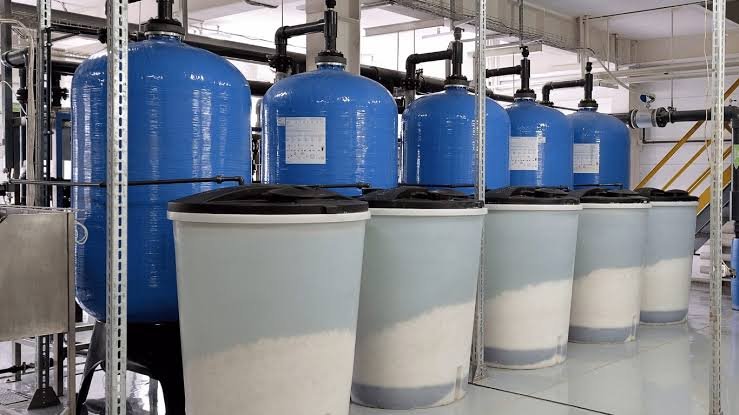
Water softeners typically use ion-exchange technology to reduce calcium and magnesium. Depending on the system, regeneration may involve salt or potassium-based solutions.
However, softening doesn’t address every possible water-quality issue. A softener isn’t a universal filter, and it shouldn’t be sold as one. If your water has sediment, odor, or specific dissolved contaminants, those concerns may require different treatment methods.
Filtration Should Have a Purpose
Filtration works best when there’s a clear reason for using it.
Sediment filters can capture particles such as sand, silt, and rust. Activated carbon can improve taste and odor while reducing certain substances. Reverse osmosis can reduce many dissolved compounds from drinking water.
The important thing is that each technology has limitations. A filter designed for sediment won’t necessarily solve a dissolved-mineral problem. A carbon filter may improve taste without addressing hardness. A softener won’t necessarily remove microorganisms.
It sounds obvious, but matching the treatment to the problem is where many homeowners go wrong.
Why Efficient Filtration Systems Matter
Modern efficient filtration systems are designed to provide useful treatment without creating unnecessary waste, maintenance, or operating costs. Efficiency can mean different things depending on the equipment.
For some systems, it may mean using water effectively. For others, it may involve longer-lasting filter media, lower energy requirements, or intelligent regeneration cycles.
Efficiency should also be considered over the entire life of the system. A cheaper unit that requires frequent filter changes might cost more over several years than a better-designed system with predictable maintenance.
So don’t look only at the purchase price. Ask about replacement parts, service intervals, water usage, energy requirements, and expected lifespan.
Whole-Home Treatment or Drinking-Water Treatment?
One of the most useful questions to ask is whether you need treatment everywhere.
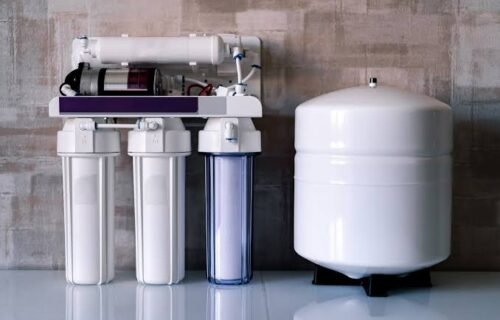
If the primary concern is drinking and cooking water, a point-of-use system beneath the kitchen sink may be sufficient. It focuses treatment where it matters most without requiring the entire household supply to pass through the same technology.
On the other hand, if hard water is affecting showers, laundry, appliances, and fixtures, whole-home treatment may make more sense.
There isn’t a universal winner here. It’s about priorities.
A household shouldn’t pay for whole-home equipment simply because the brochure makes it look impressive. At the same time, installing a tiny kitchen filter won’t solve a scale problem that affects every bathroom.
Don’t Forget Water Pressure
Water treatment equipment needs to work with the home’s plumbing, not against it.
Some systems require a certain amount of incoming pressure to operate properly. Others can affect flow depending on their design, filter condition, and capacity.
This becomes particularly important in larger households. Imagine someone taking a shower while the dishwasher is running and another person is filling a bathtub. That’s when an undersized system may reveal itself.
Proper sizing considers household water usage and peak demand, not just the average amount of water consumed each day.
Maintenance Is Where Good Intentions Often Fade
Even the best water-treatment equipment needs attention.
Filters become saturated. Membranes eventually need replacement. Water softeners need salt or other maintenance depending on their design. Valves, connections, and settings may require occasional inspection.
It’s easy to ignore these tasks because the system is usually hidden away in a garage, utility room, or basement. Out of sight, out of mind.
But maintenance directly affects performance. A filter that should have been replaced months ago isn’t going to become more effective because we forgot about it.
Set a schedule and stick to it. If professional service is recommended, treat it as part of owning the equipment rather than an optional extra.
Choosing a System Without Getting Overwhelmed
Water treatment doesn’t need to become a research project that consumes your entire weekend.
Start with a water test. Identify the actual problem. Decide whether the concern affects drinking water, the whole house, or both. Then compare technologies based on what they are designed to accomplish.
Ask straightforward questions:
- What does this system remove or reduce?
- What does it not address?
- How often does it need maintenance?
- What are the ongoing operating costs?
- Is it sized correctly for the household?
- What happens if the system needs repair?
A reputable water professional should be able to answer these questions without drowning you in technical jargon.
The Best Water System Is the One That Fits
There’s no single definition of perfect water. Every property has its own conditions, and every household has its own priorities.
Maybe your biggest concern is hard-water scale. Maybe taste and odor bother you. Perhaps you’re looking for better drinking water while keeping the rest of the household supply simple.
Whatever the reason, start with facts rather than assumptions. Test the water, understand the problem, and choose equipment accordingly.
Good treatment should quietly improve everyday life. You notice cleaner fixtures, better-tasting drinking water, easier cleaning, and appliances that aren’t fighting mineral buildup quite so hard.
That’s really the goal. Not an elaborate collection of equipment hidden in a utility room, but water treatment that does its job reliably, efficiently, and without making life more complicated than it needs to be.