Understanding Hard Water and Finding a Better Way to Live With It
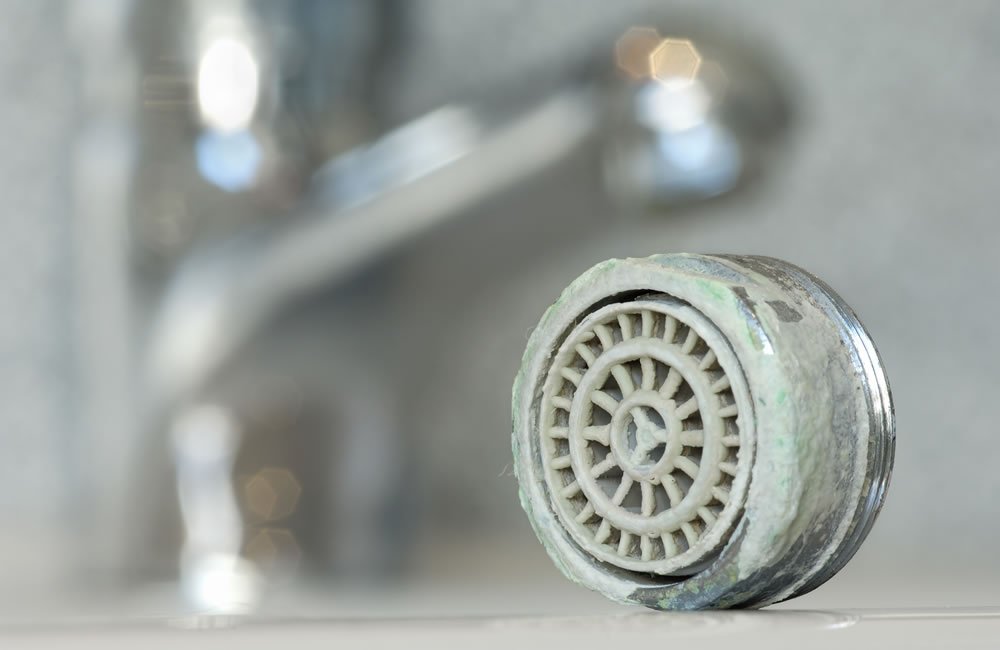
Hard water is one of those household problems that rarely arrives with a dramatic warning. There’s no flashing light on the wall and usually no obvious moment when it begins. Instead, the signs creep in slowly. A white mark appears around the faucet. Soap seems harder to rinse away. The shower glass looks dull no matter how often you clean it.
Then there’s the water heater, appliances, and plumbing quietly dealing with the same issue.
For many homeowners, the first reaction is simply to clean more often. But if mineral deposits keep returning, cleaning is treating the symptom rather than the cause. Understanding what makes water hard—and what can be done about it—can save a surprising amount of time and frustration.
What Actually Makes Water Hard?
Water hardness is mainly associated with naturally occurring minerals, particularly calcium and magnesium. As groundwater moves through soil and rock, it can pick up these dissolved substances along the way.
The water may still look completely clear. That’s what makes hard water a little deceptive. You can’t necessarily see the minerals while they’re dissolved, but you can notice what they leave behind.
The level of hardness varies considerably from one location to another. Two neighboring homes might even experience different conditions depending on their water source and plumbing setup.
This is why testing the water is a sensible first step before choosing treatment equipment.
The Everyday Signs Are Easy to Recognize
You may already have a few clues.
Glasses come out of the dishwasher with cloudy spots. Faucets develop chalky deposits. Shampoo and soap don’t seem to lather as easily. Laundry may feel stiff, even when you’ve used what seems like enough detergent.
These are common signs associated with hard water minerals, and they’re often what finally convince homeowners to investigate.
Hard water doesn’t necessarily mean the water is unsafe to use. The concern is more about its effect on household surfaces, plumbing, appliances, cleaning routines, and overall water experience.
Once you understand that distinction, the problem becomes easier to approach calmly.
Why Scale Becomes Such a Nuisance
Mineral deposits can become especially troublesome when heated. As water is heated and some of it evaporates, dissolved minerals can be left behind on surfaces and inside equipment.
Over time, this can contribute to scale buildup in water heaters, fixtures, pipes, and other water-using appliances.
You might see scale around a showerhead or faucet first. Inside equipment, however, the buildup may be much harder to notice. A layer of mineral deposits can interfere with heat transfer and reduce efficiency in certain appliances.
It doesn’t happen overnight. That’s part of the problem. A little buildup here and there can eventually become a much bigger maintenance concern.
Your Water Heater May Be Paying the Price
Water heaters are particularly exposed because they constantly work with heated water. When mineral deposits accumulate inside the tank or around heating components, the equipment may have to work harder to do the same job.
Some homeowners notice unusual noises, changes in heating performance, or higher energy use. These symptoms can have several possible causes, so they shouldn’t automatically be blamed on hard water.
Still, if your water is known to be hard, mineral accumulation is worth discussing during routine maintenance.
Protecting a water heater isn’t only about extending its life. It can also help maintain more consistent performance and avoid repairs that could have been prevented with earlier attention.
Water Softeners Can Address the Source of the Problem
Cleaning mineral spots every week can become a tiring routine. If hard water is affecting the entire home, treating the water itself may be more practical.
Modern water softening solutions are designed to reduce hardness minerals before the water travels through the household plumbing. Traditional ion-exchange softeners, for example, replace calcium and magnesium ions with sodium or potassium ions.
The right system depends on the home’s water hardness, household size, water consumption, plumbing configuration, and treatment goals.
Bigger isn’t automatically better. An oversized system can be unnecessary, while one that’s too small may struggle to keep up with demand.
A water professional can help determine the appropriate capacity based on actual water conditions rather than guesswork.
Not Every Water Problem Is a Hardness Problem
This is an important distinction.
If your water has an unusual odor, strange color, sediment, or a particular taste, don’t assume a softener will solve it. A softener is primarily designed to address hardness. Other concerns may require filtration, activated carbon, sediment removal, or a different treatment technology.
That’s why water testing should come before equipment selection whenever possible.
Testing can help identify what’s actually happening and prevent homeowners from spending money on a system that doesn’t address the underlying issue.
There’s nothing wrong with wanting better water. You just want to make sure you’re solving the right problem.
Maintenance Still Matters
A water softener isn’t a “set it and forget it” appliance.
Salt-based systems need an appropriate supply of regenerant. Components may need inspection, settings may need adjustment, and the system should be kept clean and operating according to manufacturer recommendations.
The same applies to any supporting filtration equipment.
Maintenance doesn’t have to be complicated, but ignoring it can gradually affect performance. If you notice the water becoming harder again, mineral spots returning, or the system behaving differently, it’s worth checking what’s going on instead of simply adding more cleaning products to the routine.
Sometimes the problem is a setting. Sometimes it’s a mechanical issue. Sometimes the equipment has reached the end of its useful life.
Consider the Whole Household
The impact of hard water goes beyond what happens at the kitchen sink.
Think about shower fixtures, bathroom faucets, laundry machines, dishwashers, coffee makers, water heaters, and plumbing. If hardness is significant, all of these areas may experience some level of exposure.
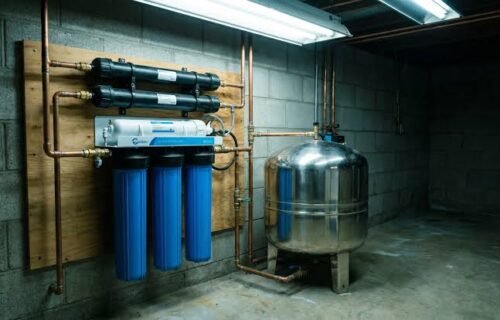
Treating the water at the point where it enters the home can therefore provide a broader solution than installing individual filters at selected faucets.
That doesn’t mean whole-home treatment is always necessary. The right approach depends on the water quality and what you’re trying to accomplish.
A thoughtful evaluation should consider both the problem and the budget.
Don’t Let Hard Water Become a Permanent Chore
Living with hard water doesn’t have to mean constantly scrubbing fixtures, replacing showerheads, or wondering why your glasses never look completely clean.
The first step is simply recognizing the signs. Test the water. Understand the hardness level. Look at how the condition is affecting your household and equipment. Then consider treatment options that fit those findings.
For some homes, the solution may be straightforward. For others, hardness may be just one part of a larger water-quality picture.
Either way, the goal is the same: less buildup, less unnecessary maintenance, and a more comfortable everyday experience.
Hard water is common, but you don’t have to treat it as an unavoidable fact of life. With the right information and properly selected treatment, those stubborn spots around the faucet can become a thing of the past—and your Saturday cleaning routine might finally get a little shorter.