Knowing When Your Water Line Needs Repair or Replacement
There are certain household problems that announce themselves loudly. A broken window, a failed air conditioner, or a refrigerator that suddenly stops working is hard to miss. Water-line problems can be different. Sometimes they begin with something as ordinary as a slightly weaker shower or a patch of grass that seems greener than the rest of the yard.
Because much of a home’s water infrastructure sits underground or behind walls, the early signs are easy to overlook. Yet paying attention to those little changes can make a real difference. A water line that is inspected and addressed early may be far easier to manage than one that fails after weeks or months of unnoticed deterioration.
When Low Water Pressure Means More Than a Clogged Faucet
Low pressure doesn’t always mean there’s a serious problem. A clogged aerator, faulty pressure regulator, or issue with the municipal supply can create similar symptoms.
The important question is whether the change affects one fixture or the entire property.
If the kitchen faucet is weak while the bathroom shower works normally, the problem may be local. But when several fixtures suddenly have reduced flow, the main water supply deserves closer attention.
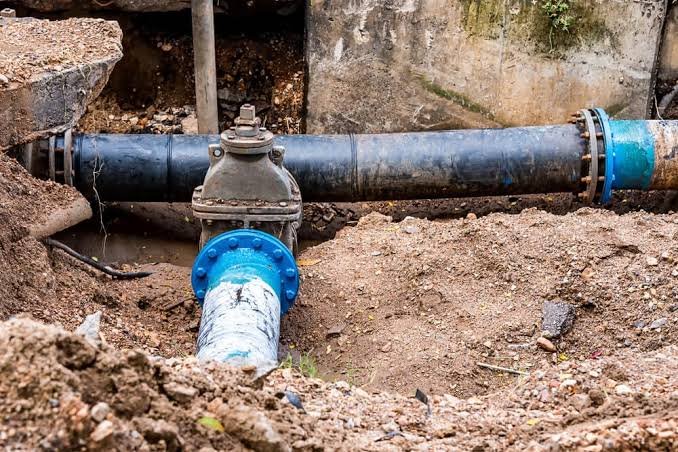
Leaks are another possibility. A damaged underground pipe can allow water to escape before it reaches the house, reducing the amount of water available at the fixtures.
That’s when professional water line repair may become necessary. The first step should be finding the actual source of the problem rather than assuming the entire line needs to be replaced.
Your Water Bill Can Be a Useful Clue
A water bill isn’t just another monthly expense. It can sometimes provide an early warning about plumbing problems.
If your household’s water habits have stayed roughly the same but consumption suddenly increases, a hidden leak could be responsible. Underground leaks may not create a dramatic puddle because the surrounding soil can absorb the escaping water.
Homeowners might notice damp areas in the yard, unusually lush grass, soft ground, or water collecting near the foundation. None of these signs proves there’s a leak by itself, but together they deserve attention.
A professional evaluation can help determine whether the extra water is actually disappearing through damaged plumbing.
When Repair Makes Sense
Not every damaged water line needs to be replaced. A localized problem may be repairable, especially when the surrounding pipe is in reasonably good condition.
For example, a damaged connection or isolated section may be repaired without disturbing the entire system. The age of the pipe, material, location, accessibility, and history of previous failures all matter.
A proper diagnosis is especially important because underground plumbing can be expensive to access. You don’t want to dig up a large section of your property only to discover that the actual problem was somewhere else.
The goal is a repair that solves the underlying issue, not one that simply postpones it.
When Replacement Becomes the Better Choice
There comes a point when repeated repairs stop making practical sense. If an old water line has several damaged sections, corrosion is widespread, or failures keep happening, replacement may offer a more reliable long-term solution.
A water line replacement can involve removing the failing pipe and installing a new line designed to meet current requirements and expected water demand. Depending on the property, the work may involve excavation or, where appropriate, less disruptive installation techniques.
Replacement isn’t automatically the right answer, though. A reputable contractor should explain why it is being recommended and what alternatives are available.
It’s also worth considering future plans. If you’re already planning a driveway renovation, landscaping project, or major home addition, coordinating water-line work with that project may reduce future disruption.
Older Homes Deserve Extra Attention
Homes built decades ago may have water lines made from materials that have become more vulnerable to corrosion, cracking, or deterioration over time.
That doesn’t mean every older home has a failing water line. Some older systems continue to perform well. But age is one factor worth considering, especially when combined with recurring leaks, pressure changes, discolored water, or frequent repairs.
Before a major renovation, homeowners may benefit from understanding the condition of the underground plumbing. It can be frustrating to finish a beautiful remodeling project and then discover that the water line needs to be excavated afterward.
A little investigation beforehand can prevent that kind of headache.
Lead Pipes Require Special Consideration
Lead plumbing deserves particular attention because lead exposure can be harmful, especially for children and pregnant people. Homes with older plumbing may contain lead service lines or components, although the presence and configuration vary by property and location.
If there’s reason to suspect a lead service line, homeowners should seek guidance from qualified professionals and their local water authority. Testing can help determine whether lead is present in the water, while inspection can help identify the materials used in the service connection.
For properties confirmed to have lead service lines, lead water line replacement can be an important step toward reducing exposure risk. The appropriate process depends on local requirements, ownership of the service line, and available replacement programs or assistance.
It’s a situation where professional advice is much better than guessing.
Don’t Forget About the Shutoff Valve
Knowing where the main water shutoff is located can make an emergency far less stressful. If a pipe suddenly breaks inside or outside the home, shutting off the water quickly can reduce damage.
Homeowners should periodically make sure the valve is accessible and functional. An old valve that refuses to turn when needed is not particularly helpful.
If you’re unsure where the main shutoff is, ask a plumber to identify it during a routine inspection. It takes little time, and that knowledge can be invaluable during a plumbing emergency.
Modern Diagnostic Tools Can Reduce Guesswork
Water-line diagnosis isn’t always about digging first and asking questions later. Professionals may use pressure testing, electronic leak detection, cameras in appropriate systems, and other methods to narrow down the location of a problem.
These tools can reduce unnecessary excavation and provide useful information about the condition of the plumbing.
Still, technology is only part of the equation. Experience matters when interpreting the results and deciding whether repair, partial replacement, or complete replacement makes the most sense.
Protecting the Property During the Work
Water-line projects can affect landscaping, driveways, sidewalks, and other parts of a property. Before work begins, homeowners should ask how access will be handled and what restoration is included afterward.
Clear communication helps avoid surprises. Find out whether damaged landscaping will be restored, how excavated soil will be handled, and whether additional permits or inspections are required.
It’s also sensible to keep documentation about the new line, including its route and installation details. Years from now, that information could save time during another project.
A Reliable Water Line Is Easy to Take for Granted
Clean, dependable water is one of those everyday comforts we rarely appreciate until something goes wrong. The first sign of trouble might be subtle, but it shouldn’t automatically be dismissed.
Changes in water pressure, unexplained water usage, wet spots, recurring leaks, or concerns about older pipe materials are all reasons to investigate.
The smartest approach is usually straightforward: understand the problem first, consider the available options, and then choose a solution based on the condition of the system and the long-term needs of the property.
Good plumbing work isn’t about making the biggest repair possible. It’s about making the right repair. When that’s done carefully, the result is wonderfully uneventful—which, when it comes to your home’s water supply, is exactly what you want.