A Better Way to Think About Plumbing: Small Problems, Smart Solutions
Most people don’t think about their plumbing when everything is working. Water comes out when you turn the tap, the shower gets hot, and the toilet flushes. That’s about as much attention as the system usually gets.
And honestly, that’s fine.
The trouble begins when something changes. Maybe the kitchen sink takes forever to drain. Perhaps the shower pressure isn’t what it used to be. Or you notice a strange puddle near an appliance and can’t figure out where it came from. Suddenly, a part of the house you rarely think about is demanding your full attention.
Plumbing problems can be frustrating, but they don’t always need to become disasters. In many cases, noticing the warning signs early and getting the right help can prevent a small repair from turning into a major project.
Your Plumbing System Is More Connected Than It Looks
A home’s plumbing isn’t just a collection of separate pipes and fixtures. Water supply lines, drains, valves, appliances, and fixtures all work together.
That’s why a problem in one area can sometimes point toward something happening elsewhere. A recurring backup in a sink, for example, might not be caused by the sink itself. A sudden drop in pressure could involve a valve, regulator, leak, or supply issue.
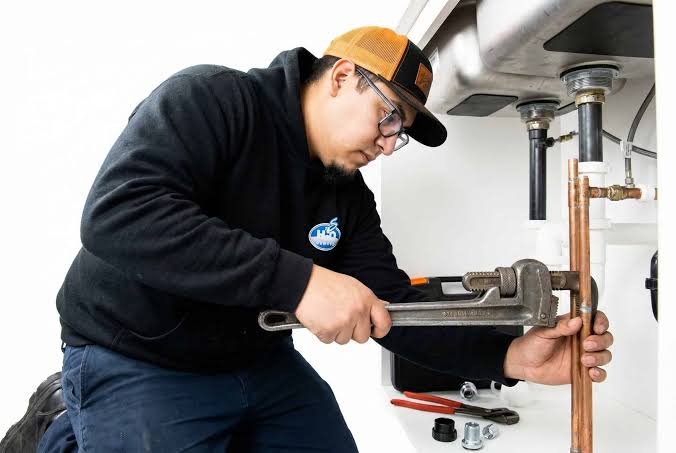
This is one reason comprehensive plumbing services can be useful. Instead of focusing only on the visible symptom, a professional can look at the wider system and determine what’s actually happening.
That approach can save time. More importantly, it can prevent homeowners from repeatedly paying to fix the same symptom.
Know the Difference Between Maintenance and Repair
Not every plumbing issue needs an emergency visit.
A dripping faucet, slightly slow drain, or aging fixture can often be addressed through scheduled maintenance. On the other hand, a burst pipe or serious water leak needs immediate attention.
The tricky part is knowing when a small problem is becoming something bigger.
If a drain has been slow for months, don’t wait until it stops completely. If a toilet runs occasionally, don’t ignore it indefinitely. And if you see moisture where there shouldn’t be any, investigate it.
Plumbing problems rarely become more convenient with time.
Hot Water Problems Can Be Early Warnings
Few things make you appreciate plumbing like stepping into a cold shower on a winter morning.
If your hot water suddenly runs out faster than usual, takes too long to heat, or fluctuates between hot and cold, the water heater may need attention. Sediment buildup, worn components, faulty controls, and aging equipment can all affect performance.
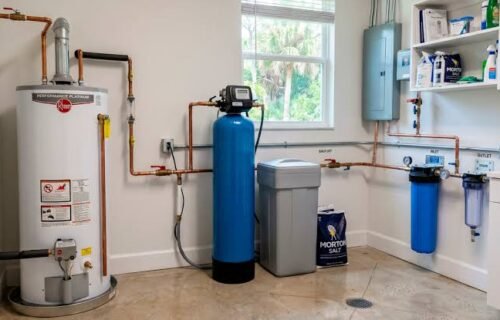
Professional water heater services can include inspection, maintenance, troubleshooting, repair, and replacement when necessary. The right solution depends on the age and condition of the unit, as well as the household’s hot water needs.
Sometimes a relatively small repair restores normal performance. Other times, continuing to repair an older unit simply isn’t economical.
That’s a decision worth making based on condition—not guesswork.
Tankless Isn’t Automatically Better for Every Home
Tankless water heating has become increasingly popular, and for good reason. These systems heat water as it’s needed instead of storing a large volume in a tank.
That can mean a smaller footprint and potentially improved energy efficiency under the right conditions. It also eliminates the familiar problem of running out of stored hot water after several people have taken long showers.
Still, tankless water heaters aren’t a magic solution. Installation requirements can be different, and the system needs to be correctly sized for the home’s demand. Water flow, incoming water temperature, gas or electrical capacity, and fixture usage can all matter.
A household that uses a lot of hot water at the same time may need a different setup than a smaller home with lighter demand.
The best system is the one that fits the property—not simply the one that’s newest.
Water Pressure Can Tell You Something
Water pressure is one of those things people notice immediately when it’s wrong.
Low pressure throughout the house could be related to a supply problem, pressure regulator, leak, clogged piping, or another issue. If only one fixture has weak flow, the cause may be much simpler, such as a clogged aerator or showerhead.
High pressure deserves attention too. Excessive pressure can place unnecessary strain on plumbing fixtures and appliances.
If your water pressure changes suddenly, it’s worth figuring out why instead of simply accepting it as a new normal.
Don’t Treat Every Drain With Chemicals
Chemical drain cleaners are easy to buy and tempting to use. Pour, wait, rinse. Problem solved—or so it seems.
Sometimes they help with a minor obstruction. But repeated use isn’t necessarily the best answer, particularly when the blockage is deep or recurring.
Hair, grease, soap residue, mineral buildup, and foreign objects can all restrict drainage. If the same fixture keeps backing up, the better question isn’t “What can I pour down it?” but “Why does this keep happening?”
A professional inspection can help answer that.
Hidden Leaks Are Worth Taking Seriously
A leak behind a wall isn’t always obvious. You may first notice a faint stain, warped flooring, peeling paint, or a musty smell.
Water can travel surprisingly far from its original source, making it difficult to identify the exact problem without proper testing.
If your water bill suddenly rises without a clear explanation, that’s another reason to pay attention. A running toilet or hidden leak can waste water quietly for weeks.
The sooner a leak is identified, the more likely it is that repairs can be limited.
Good Maintenance Doesn’t Have to Be Complicated
Homeowners can do plenty themselves without becoming amateur plumbers.
Know where the main shutoff valve is. Don’t flush items that belong in the trash. Keep grease out of kitchen drains. Check exposed connections occasionally. Watch for corrosion, moisture, strange odors, and changes in water pressure.
It also helps to know the age of major plumbing equipment. Water heaters, shutoff valves, and other components don’t last forever.
A little awareness can make a surprising difference.
Professional Help Is About More Than Fixing What’s Broken
A good plumbing professional doesn’t simply repair the immediate problem and disappear. They should help you understand what happened and what can be done to reduce the chance of a repeat issue.
That might mean recommending maintenance, explaining replacement options, or pointing out a component that’s approaching the end of its useful life.
You don’t have to accept every recommendation blindly, either. Ask questions. Compare options. Understand the reason behind the work.
A good professional will appreciate an informed homeowner.
Keep Your Plumbing Working Before It Becomes a Crisis
Plumbing isn’t glamorous, but it keeps modern homes functioning every single day. That’s easy to forget until something fails.
The smartest approach is usually a simple one: pay attention to changes, deal with small problems before they grow, and bring in professional help when the situation is beyond a basic fix.
Whether you’re dealing with a stubborn drain, inconsistent water pressure, or an aging water heater, the goal isn’t merely to make the problem disappear for now. It’s to keep the entire system reliable for the years ahead.
Sometimes that means a small repair. Sometimes it means replacing an old component. And occasionally, it means doing nothing more complicated than paying attention a little earlier.
That last one is surprisingly powerful.