Making Sense of Home Water Filtration: Choosing What Your Household Actually Needs
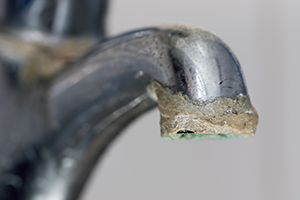
Water is one of those things most homeowners don’t think much about until something changes. A shower suddenly leaves white marks on the glass. The coffee tastes different. The laundry feels a little rough after washing. Or maybe the water has a faint smell that wasn’t there before.
These little details can be easy to dismiss, but they can also tell you something about what’s happening inside your home’s water system.
The challenge is knowing which treatment option actually makes sense. There are whole-house filters, softeners, drinking-water systems and plenty of combinations in between. The right choice isn’t necessarily the most expensive equipment or the system with the longest list of features. It’s the one that addresses the specific characteristics of your water and fits how your household uses it.
Start by Understanding Your Water
Before shopping for treatment equipment, it helps to know what you’re dealing with. Water can contain sediment, minerals, chlorine, iron and other substances depending on whether the property uses municipal water or a private well.
Some problems are obvious. Others aren’t.
A cloudy appearance may point toward suspended particles, while scale around faucets often suggests hardness. An unusual taste could have several possible causes, and an odor doesn’t necessarily tell you exactly what’s responsible.
Testing gives you a more reliable starting point. Rather than guessing from symptoms, you can identify measurable characteristics of the water and then choose equipment designed for those conditions.
That’s important because different technologies are built for different jobs.
When Whole-House Filtration Makes Sense
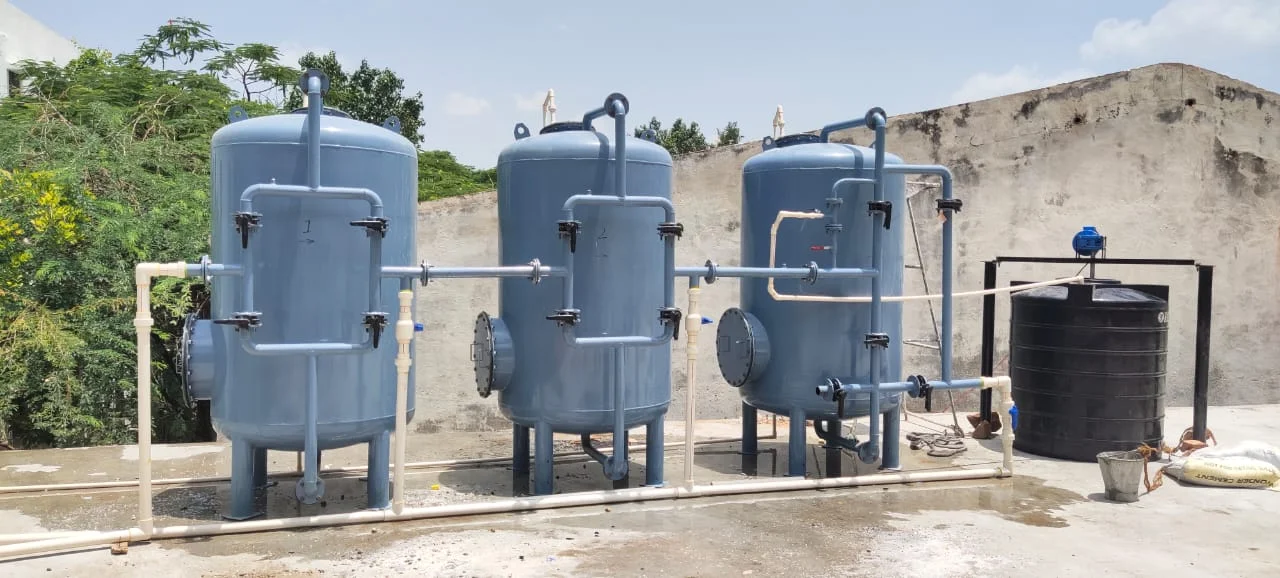
If the goal is to improve water throughout the property rather than just at one drinking-water tap, a whole home water filter may be worth considering.
These systems are typically installed where water enters the home, allowing treated water to travel through the plumbing to multiple fixtures. Depending on the system, filtration may target sediment, chlorine, taste, odor and certain other contaminants.
Whole-home filtration can be especially appealing to families who want cleaner-feeling water for showers, cooking, laundry and general household use, not just drinking.
Still, don’t assume a whole-house filter removes everything. Filtration performance depends on the specific media, design and contaminants being targeted. Checking the manufacturer’s performance data is much more useful than relying on vague claims about “purification.”
Hard Water Is a Different Problem
Hard water is common in many areas and is primarily associated with dissolved calcium and magnesium. It isn’t necessarily a health emergency, but it can be frustrating to live with.
You may see white scale around faucets, showerheads and appliances. Soap may not lather as easily. Clothes can feel less soft, and water heaters and other equipment may accumulate mineral deposits over time.
This is where water softeners come into the conversation. A traditional water softener uses an ion-exchange process to reduce calcium and magnesium hardness, replacing those ions with sodium or, in some systems, potassium.
The important distinction is that a softener isn’t simply another type of filter. It addresses hardness rather than acting as a universal contaminant-removal system.
If hard water is your main complaint, treating hardness directly may make much more sense than installing a filtration system designed for an entirely different problem.
Drinking Water May Need a More Targeted Approach
Whole-house treatment and drinking-water treatment don’t have to be the same thing.
Some homeowners are comfortable treating the general household water while using an additional system at the kitchen sink for drinking and cooking. This can provide a more targeted level of treatment without requiring every gallon used in the house to pass through an advanced purification process.
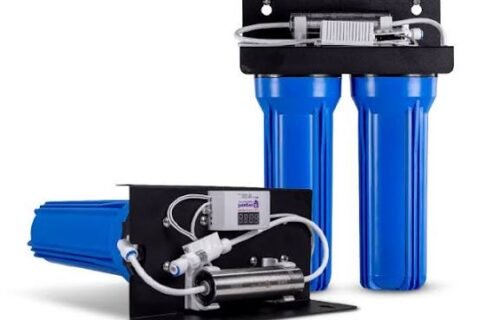
A reverse osmosis water filter is one option commonly considered for drinking-water applications. Reverse osmosis uses a semipermeable membrane to reduce many dissolved substances from water.
Because the process can remove a broad range of dissolved materials, reverse osmosis may be useful when water testing identifies concerns that ordinary filtration doesn’t adequately address.
But there are trade-offs. Systems require filter and membrane maintenance, and reverse osmosis can produce some wastewater depending on the design. Storage and installation requirements also need to be considered.
The best system is therefore not just the one with the most impressive technical specifications. It’s the one you’ll actually maintain and use properly.
Don’t Forget About Sediment
Sediment is another issue that can quietly create problems. Fine particles may enter a home from a private well, aging infrastructure or other sources.
A sediment filter can capture suspended particles before they reach faucets and appliances. In some installations, sediment filtration is also used as a pre-treatment stage before other technologies.
This matters because particles can interfere with downstream equipment. A treatment system may work much better when larger debris and sediment have already been removed.
If you’re seeing grit in faucet aerators or noticing recurring particles in a glass of water, don’t simply replace the faucet screen repeatedly. Find out where the material is coming from.
Think About Flow Rate and Household Size
Water treatment equipment needs to keep up with real household demand.
A small system may be perfectly adequate for one person using modest amounts of water, but a larger family can create significantly higher peak demand. Multiple showers, washing machines, dishwashers and faucets may all operate around the same time.
Flow rate is therefore an important consideration during system selection. A treatment unit that restricts water flow too much can become an everyday annoyance.
Tank size, filter capacity, connection size and expected water usage all deserve attention before installation.
Maintenance Is Not Optional
Even the best treatment system needs care.
Filters have to be replaced. Softener systems may need salt or other maintenance depending on their design. Reverse osmosis membranes eventually require replacement. Valves, housings and connections should also be checked periodically.
Ignoring maintenance can reduce performance and, in some situations, create new water-quality concerns.
A simple maintenance calendar can help. Write down installation dates and replacement intervals. Keep spare filters on hand if they’re easy to store. It sounds boring, admittedly, but future-you will appreciate it.
Avoid Buying More Than You Need
Water treatment can become unnecessarily complicated when homeowners start stacking technologies without understanding why they’re needed.
A household with hard water may primarily need softening. Another property may need sediment filtration and a drinking-water system. Someone else may have a completely different combination of concerns.
There is no universal package.
Before making a purchase, ask what each component is supposed to accomplish. If a proposed system contains several stages, you should be able to understand the purpose of each one.
Also ask about operating costs. The purchase price is only part of the equation. Replacement cartridges, salt, membranes, service visits and water usage can all contribute to the long-term cost.
The Right System Should Make Life Easier
Good water treatment shouldn’t feel like another household chore. Once installed and properly maintained, it should quietly do its job in the background.
The best place to begin is with your water itself. Test it when appropriate, identify the problems that actually matter to your household, and then compare treatment technologies based on those findings.
You may discover that you need a sophisticated combination of systems. Or you may find that one straightforward solution handles the problem perfectly well.
Either way, thoughtful selection beats guesswork. Water is too important — and the equipment can be too expensive — to make the decision based on flashy promises alone.
A little research today can mean better-tasting water, fewer maintenance headaches and a home water system that works the way you expected it to in the first place.