Building a Home That Works as Beautifully as It Looks
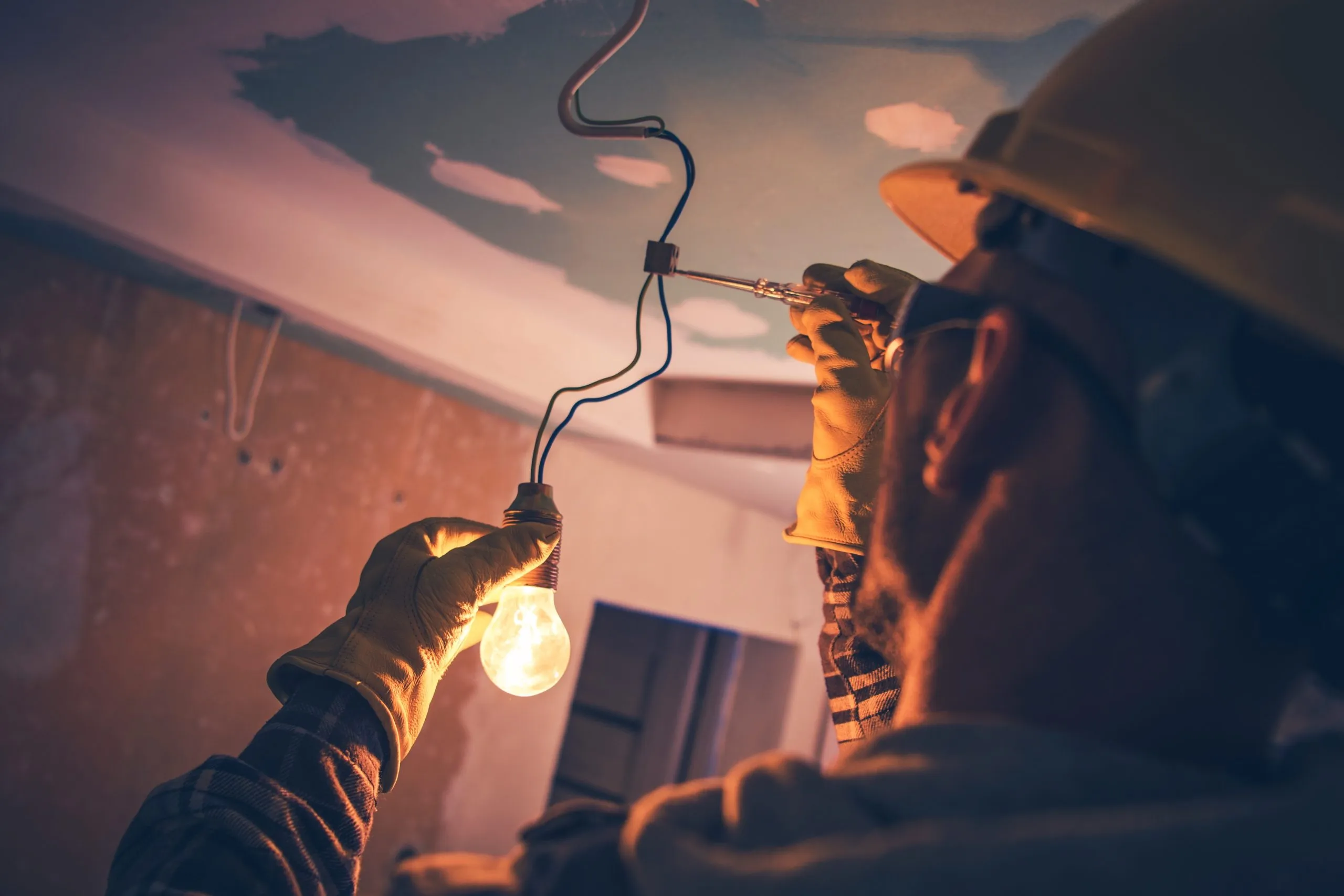
A beautiful home can make you stop and look twice. The kitchen has the perfect lighting, the living room feels open and comfortable, and every switch and fixture seems to be exactly where it belongs. What you don’t see, though, is the electrical system quietly making all of it possible.
Behind the walls is a network of circuits, wiring, panels, outlets, switches, and safety devices. When it’s designed properly, you rarely think about it. When it isn’t, even a gorgeous home can become frustrating to live in.
That’s why electrical work deserves more attention than it often gets. Whether you’re maintaining an existing property, building something completely new, or updating an older home, the electrical system should be treated as part of the home’s overall design—not an afterthought.
Everyday Electrical Needs Are Bigger Than They Used to Be
Homes have changed quite a bit. A typical household now uses more electronics, appliances, charging devices, entertainment systems, and smart technology than homes did a generation ago.
This is where residential electrical services can make a real difference. A professional electrician can handle everything from lighting and outlet installation to circuit upgrades, electrical inspections, panel replacements, ceiling fans, dedicated appliance circuits, and other household electrical needs.
It’s easy to underestimate how much electricity a modern home consumes. Think about a normal evening: the refrigerator is running, someone is cooking dinner, the washing machine might be going, phones are charging, the television is on, and perhaps an air conditioner is working in the background.
A properly designed system needs to handle all of that without constantly pushing circuits beyond their intended capacity.
New Homes Need More Than Attractive Fixtures
Building a home from scratch is exciting, but it also comes with hundreds of decisions. Flooring. Cabinets. Windows. Paint. Lighting. The list seems endless.
Electrical planning can get lost in that shuffle, especially because much of the work eventually disappears behind the walls.
For high-end residential new construction, electrical design should begin early enough to complement the architecture, interior layout, and lifestyle of the people who will live there.
A luxury home might include layered lighting, home theaters, outdoor entertainment areas, security systems, smart-home controls, electric vehicle charging, heated floors, large kitchen appliances, pools, spas, or backup power equipment.
These aren’t things you want to squeeze into the electrical plan at the last minute.
Good planning also considers where people actually use the home. Maybe the homeowner wants reading lights beside the bed, outlets hidden inside kitchen cabinets, USB charging near a home office, or automated exterior lighting. Small details like these can have a surprisingly big impact on everyday comfort.
Renovating? Look Behind the Walls
Renovations are a little different from new construction. You’re working with something that already exists, and existing electrical systems don’t always cooperate with modern plans.
Older homes may have outdated wiring, limited circuits, undersized panels, or outlets that were installed according to a lifestyle that no longer resembles today’s reality.
During major renovations, electrical remodeling services can help bring the system in line with the updated space. This might involve adding circuits, relocating outlets, replacing outdated components, improving lighting, upgrading the electrical panel, or rewiring certain areas.
A kitchen renovation is a good example. Adding an island, dishwasher, microwave, refrigerator, induction cooktop, disposal, and modern lighting can dramatically change the electrical demand. Simply plugging everything into the existing setup may not be appropriate.
It’s better to consider electrical requirements while the renovation is being designed, rather than discovering a problem after the new cabinets have been installed.
Lighting Is Part of the Architecture
Lighting isn’t just about making a room bright.
The right combination of ambient, task, and accent lighting can completely change how a space feels. A kitchen might need strong task lighting over work surfaces, while a dining room could benefit from softer, adjustable fixtures.
In bedrooms, dimmable lighting can create a calmer atmosphere. Outdoor lighting can improve visibility and make patios and walkways more usable after sunset.
Smart lighting adds another layer of flexibility. Homeowners can create schedules, control lights remotely, or connect certain systems to sensors and automation.
But technology shouldn’t replace good design. A room filled with expensive smart fixtures can still feel uncomfortable if the lighting itself wasn’t thoughtfully planned.
Safety Is the Part You Shouldn’t Compromise On
Electrical design can be beautiful, convenient, and sophisticated, but safety always comes first.
Warning signs such as frequent breaker trips, flickering lights, buzzing switches, warm outlets, burning smells, or visible wiring shouldn’t be ignored. They may indicate problems that require professional attention.
Electrical work also needs to comply with applicable codes and safety requirements. Proper grounding, circuit protection, suitable wiring, and correct installation all matter.
DIY projects can be tempting, particularly when a repair appears simple. But electricity can behave in ways that aren’t obvious to someone without training. A mistake behind a wall may not reveal itself immediately, which makes professional installation and inspection particularly important.
Planning for Tomorrow
A good electrical system shouldn’t only meet today’s needs.
Think about how the home might change over the next five or ten years. Will you purchase an electric vehicle? Add solar panels? Convert a spare bedroom into an office? Install a larger entertainment system? Add outdoor appliances or a workshop?
You don’t necessarily need to install every possible feature today. But mentioning your plans to the electrician can help them design with future upgrades in mind.
Leaving appropriate capacity or accessible pathways for future work can be much easier during construction than after everything is finished.
Don’t Let Price Be the Only Factor
Cost matters. There’s no getting around that.
Still, electrical work is one area where the cheapest quote isn’t necessarily the smartest choice. The quality of materials, experience of the electrician, scope of work, and attention to safety can all affect the final result.
When comparing contractors, ask what the estimate includes. Make sure you understand whether permits, inspections, materials, cleanup, and follow-up work are part of the quoted price.
Reviews can help, too, especially when customers talk about communication and workmanship rather than simply giving a star rating.
A reliable professional should be willing to answer questions and explain the work without making you feel like you’re wasting their time.
A Home Should Work for the People Living in It
Ultimately, good electrical design isn’t about having the most gadgets or the fanciest fixtures. It’s about making a home comfortable, safe, convenient, and adaptable.
The best electrical systems almost disappear into everyday life. You walk into a room and the lighting feels right. You plug something in without hunting for an outlet. Appliances run as expected. Your technology has the power it needs.
That’s the quiet success of thoughtful electrical work.
Whether you’re maintaining an existing house, renovating a beloved older property, or building a high-end home from the ground up, take the electrical side seriously from the beginning. A little planning now can save a surprising amount of trouble later—and help ensure that your home isn’t just beautiful to look at, but genuinely enjoyable to live in.