Making Water Quality More Personal for Florida Homes
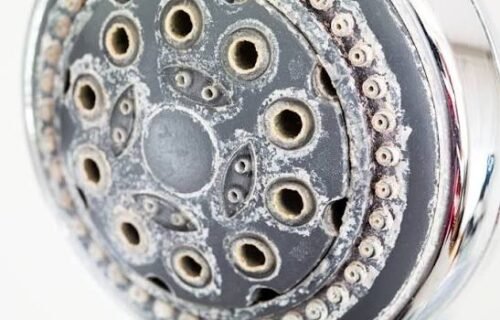
Water is one of those things most people only think about when something goes wrong. A strange taste appears in the morning coffee. White marks build up around the faucet. The shower leaves skin feeling dry, or a glass of water has an odor that makes you pause before drinking it. These everyday details can be frustrating, especially when the water coming into the house looks perfectly clear.
The truth is, water quality can vary widely from one property to another. Even homes in the same neighborhood may experience different concerns because of plumbing materials, water sources, local conditions, or the age of the property. That’s why choosing a practical water treatment approach starts with understanding the water itself rather than buying the first system advertised online.
Why Water Quality Varies From Home to Home
Florida’s water supply comes from a combination of groundwater, surface water, and public utility systems. While treated municipal water is regulated and monitored, treatment at the utility level doesn’t always address every issue a homeowner notices inside the house.
For example, disinfectants used to keep public water safe can sometimes affect taste or smell. Hard water minerals may create scale on fixtures and appliances. Older plumbing can also influence water quality, particularly in properties that have experienced years of use.
Private wells bring another set of considerations. Well water may contain minerals, sediment, iron, sulfur compounds, or other naturally occurring substances. The exact concerns depend on the local geology and the condition of the well system.
This is why residential water treatment should never be viewed as a one-size-fits-all purchase. The right solution depends on what is actually present in the water and how that water is used throughout the home.
Start With a Water Test, Not a Guess
Before investing in filtration equipment, homeowners should consider having their water tested. A basic test can reveal information about hardness, pH, iron, sediment, and other common indicators. Depending on the property and local concerns, additional testing may be useful.
Testing matters because water problems aren’t always visible. Clear water can still contain dissolved minerals or compounds that affect taste, odor, plumbing, or long-term appliance performance. On the other hand, a cloudy appearance may simply be caused by harmless air bubbles rather than contamination.
A professional water assessment can help separate actual water quality concerns from assumptions. It can also prevent homeowners from spending money on equipment that doesn’t address their specific needs.
If the home uses well water, testing should be treated as an ongoing part of responsible maintenance rather than a one-time task. Changes in weather, flooding, construction, or well conditions can affect water quality over time.
Understanding the Main Types of Water Treatment
Different systems are designed for different purposes. Understanding the basic categories makes it easier to choose equipment intelligently.
Water Softeners
Water softeners are primarily designed to reduce hardness minerals, especially calcium and magnesium. Hard water isn’t usually considered a direct health threat, but it can cause scale buildup in pipes, water heaters, showerheads, and appliances.
A softener may also help soap lather more easily and reduce the rough feeling some people notice after bathing. However, softeners are not designed to remove every contaminant, so they should not be treated as complete filtration systems.
Whole-Home Water Filters
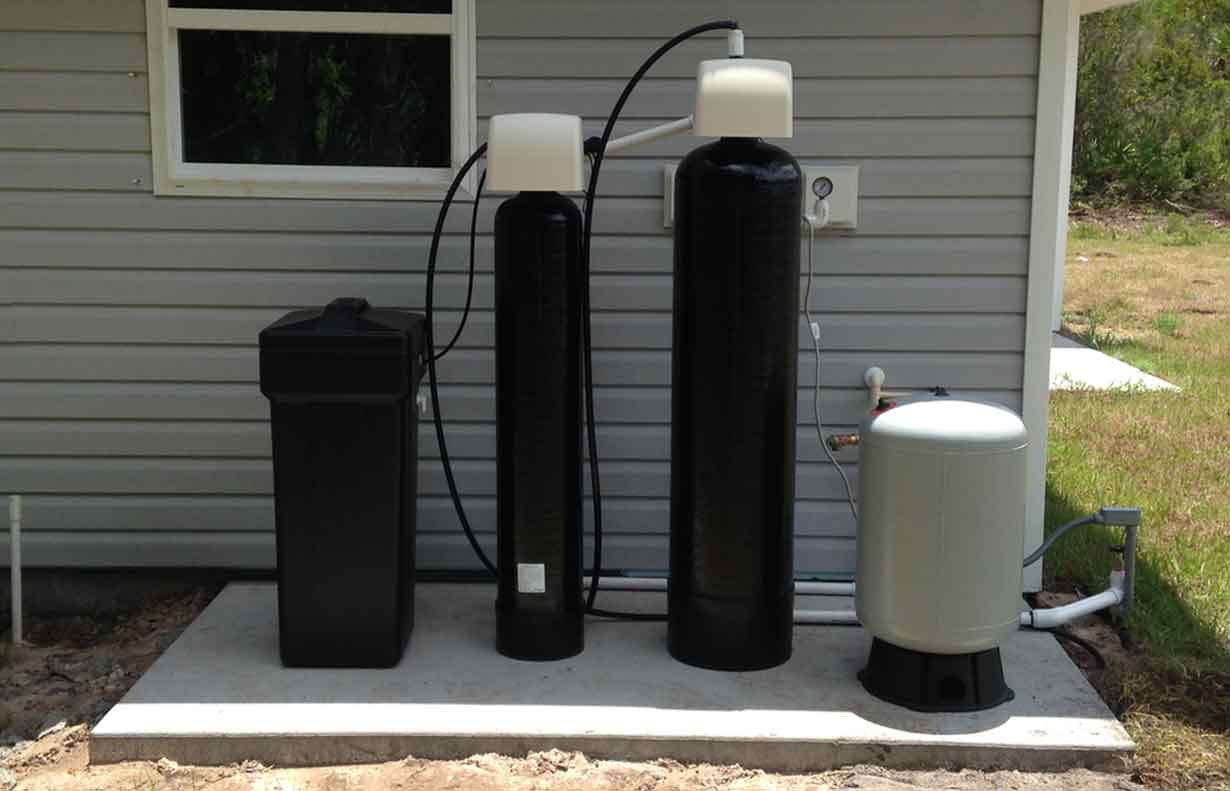
Whole-home filters treat water as it enters the property, allowing filtered water to reach multiple fixtures. Depending on the filter media, these systems may target sediment, chlorine taste and odor, or certain other substances.
The key is selecting the right filter for the specific water issue. A sediment filter, for instance, is useful for particles but won’t necessarily address dissolved minerals or chemical compounds.
Reverse Osmosis Systems
Reverse osmosis, often called RO, is commonly installed at a kitchen sink or another point of use. It uses a semi-permeable membrane to reduce many dissolved substances from drinking and cooking water.
RO systems can be helpful when homeowners want an additional level of treatment for water consumed directly. Since the process can produce some wastewater and requires filter changes, it’s important to choose a properly sized system and maintain it as recommended.
UV and Specialty Treatment
Some properties may benefit from ultraviolet treatment, especially when microbial concerns are part of a private well water plan. Other systems are designed for iron, sulfur odor, tannins, or specific chemical compounds.
These specialty solutions should be selected based on test results. Installing equipment simply because it sounds advanced can create unnecessary expense without solving the real problem.
Why Customized Solutions Make Sense
A family living in a newly built suburban home may have very different water concerns from someone living in an older coastal property or a rural house with a private well. Household habits matter, too.
A home with several bathrooms, frequent laundry, and high water usage may need a different system capacity than a smaller property. A household focused mainly on drinking water may prioritize an under-sink RO system, while another family may be more concerned about scale, dry skin, or appliance protection.
This is where customized water solutions become valuable. Customization doesn’t necessarily mean choosing the most expensive equipment. It means matching the system to the water source, household size, budget, maintenance expectations, and specific quality goals.
A good water treatment professional should explain why a system is being recommended, what it can and cannot remove, how often components need service, and what ongoing costs to expect. Clear answers are more useful than vague promises.
Protecting Appliances and Plumbing
Water treatment is not only about drinking water. It can also support the everyday systems that make a home comfortable.
Hard water scale can collect inside water heaters and reduce heating efficiency over time. It may also affect dishwashers, washing machines, coffee makers, and plumbing fixtures. Sediment can create problems for valves, faucets, and other components, particularly when it enters the home in noticeable quantities.
Reducing these issues may help extend equipment life and lower the frequency of cleaning or repairs. Still, water treatment should be considered one part of home maintenance. It doesn’t replace flushing a water heater, checking plumbing leaks, or servicing appliances.
Maintenance Is Part of the Solution
Even a well-designed treatment system needs attention. Filters must be replaced, tanks may need servicing, and settings should occasionally be checked. Neglecting maintenance can reduce performance and, in some cases, create new water quality concerns.
Homeowners should ask about filter replacement schedules, salt usage if a softener is installed, warranty terms, and service availability before making a decision. A system that works well but is difficult to maintain may not be the best fit for a busy household.
It’s also wise to keep records of water testing and maintenance. These details can help identify changes and make future service visits more productive.
A Practical Approach to Better Water
For many florida homes, improving water quality begins with a simple process: test the water, identify the concern, compare suitable treatment options, and choose a system that fits the property. There’s no need to turn the decision into a complicated project, but rushing it can lead to wasted money and disappointment.
Good water treatment is less about buying a machine and more about creating a reliable plan. When the system matches the water and receives proper maintenance, the benefits can show up in small but meaningful ways—better-tasting drinking water, cleaner fixtures, fewer scale problems, and greater confidence in what flows from the tap.
In the end, the best solution is one that addresses real household needs without promising more than it can deliver. Water may be an everyday resource, but giving it the right attention can make everyday life noticeably easier.