Understanding Essential Plumbing Services for a Safer, More Reliable Home
A home’s plumbing system is one of those things most people rarely think about until something goes wrong. Water flows from the tap, drains disappear beneath the sink, and hot water arrives when needed. It all feels simple—until a pipe bursts, a drain backs up, or the shower suddenly turns cold. At that point, reliable plumbing becomes less of a convenience and more of a necessity.
Understanding the essential plumbing services available can help homeowners respond to problems sooner and make better decisions about maintenance. From underground water pipes to sewer systems and water heaters, each part of the plumbing network plays a different role. Knowing how they work together makes it easier to recognize warning signs and avoid expensive surprises.
The Role of a Reliable Water Supply System
Clean, dependable water is essential for drinking, cooking, bathing, cleaning, and countless everyday tasks. Behind the walls and beneath the ground, a network of pipes carries water from the main supply into the home. Over time, however, these pipes can become damaged by corrosion, shifting soil, freezing temperatures, or general wear.
When a property needs new piping or an upgraded supply network, water line installations can provide a long-term solution. Professional installation involves more than simply placing a pipe underground. Plumbers must consider water pressure, pipe materials, local regulations, property layout, and the location of existing utility lines. A properly installed water line can reduce leaks, improve flow, and provide a more dependable supply for years to come.
Homeowners should also pay attention to signs of water line trouble. Unexpectedly low pressure, unexplained increases in water bills, damp areas in the yard, or water that appears discolored may indicate an underlying issue. Not every problem is immediately visible, which is why professional inspection can be useful when something seems unusual.
Why Sewer Maintenance Should Never Be Ignored
The sewer system is responsible for carrying wastewater away from a property safely. It handles water from toilets, sinks, showers, washing machines, and other fixtures. Because sewer lines are usually hidden underground, problems can develop quietly before becoming obvious.
Common warning signs include slow drains throughout the home, unpleasant odors, gurgling sounds from toilets, repeated backups, or unusually wet patches in the yard. These symptoms can sometimes be caused by a simple blockage, but they may also point to cracked, collapsed, or tree-root-damaged pipes.
Professional sewer line repairs can address problems before they cause extensive damage to the property. Depending on the condition and location of the line, plumbers may use methods such as camera inspections, hydro jetting, pipe repair, or replacement. A sewer camera inspection is particularly helpful because it allows technicians to identify the actual cause rather than relying only on surface symptoms.
Ignoring a sewer problem rarely makes it disappear. In fact, a small issue can become a serious backup that damages flooring, walls, landscaping, or personal belongings. Early attention is usually less disruptive and more manageable than an emergency repair.
Keeping Hot Water Available When You Need It
Hot water is another household essential that often goes unnoticed until the water heater stops working. Whether it is used for a morning shower, washing dishes, or cleaning clothes, a dependable hot water system contributes significantly to daily comfort.
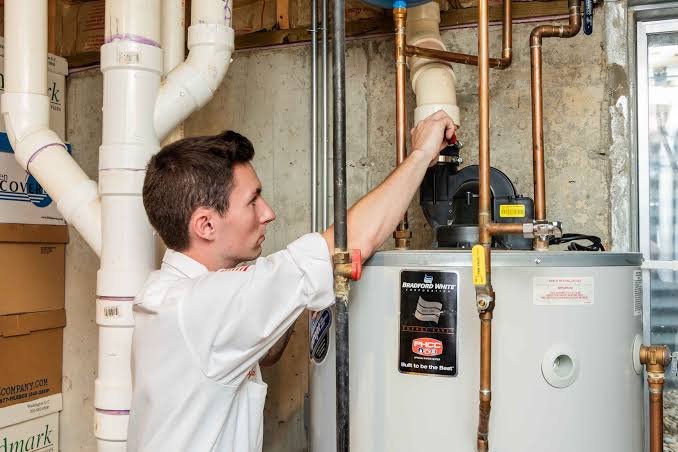
Modern water heater solutions include traditional storage-tank systems, tankless water heaters, heat pump models, and other energy-efficient options. Each type has its own advantages. Traditional tanks are familiar and generally straightforward to maintain, while tankless systems heat water on demand and may save space. Heat pump water heaters can offer energy-efficiency benefits in suitable homes, though installation conditions and upfront costs should be considered.
Choosing the right system depends on household size, water usage, available space, budget, and energy preferences. A small household with moderate demand may have different needs from a large family that uses several showers and appliances at the same time. A plumbing professional can assess these factors and recommend a system that fits the property rather than simply suggesting the newest model.
The Value of Preventive Plumbing Maintenance
Plumbing emergencies are not always avoidable, but regular maintenance can reduce the likelihood of major problems. Many homeowners wait until something breaks before calling a plumber. That approach is understandable, especially when everything appears to be working normally. Still, small warning signs often deserve attention.
Routine maintenance may include checking exposed pipes for corrosion, inspecting shut-off valves, testing water pressure, flushing certain water heater systems, and examining drains for recurring blockages. In older homes, a professional may also recommend inspecting aging supply or sewer lines to understand their condition.
Simple habits matter, too. Avoid flushing wipes, grease, paper towels, or unsuitable materials down drains. Use drain strainers to catch hair and debris, and address dripping faucets instead of allowing them to continue for months. A small leak may seem harmless, but it wastes water and can sometimes signal a larger issue.
Choosing a Plumbing Professional
When plumbing work involves underground lines, wastewater systems, or major equipment, experience matters. Homeowners should look for a licensed and insured plumbing professional who can clearly explain the problem, outline the proposed work, and provide a transparent estimate.
It is also worth asking whether the company offers warranties, emergency services, inspection reports, and maintenance recommendations. A trustworthy plumber should not pressure customers into unnecessary replacements. Instead, they should explain the available options, including the expected lifespan, limitations, and costs of each approach.
Communication is especially important when repairs involve digging, replacing pipes, or entering multiple areas of a home. Understanding the process beforehand helps homeowners prepare and avoid confusion once the work begins.
A Little Attention Can Prevent Bigger Problems
A dependable plumbing system supports nearly every part of modern home life. Water lines bring in the supply, sewer lines carry waste away, and water heaters provide the comfort of hot water. When these systems are maintained properly, they can operate quietly and efficiently for many years.
The key is not to wait for a small concern to become a major emergency. Strange noises, slow drains, pressure changes, damp spots, and inconsistent hot water are all reasons to take a closer look. With timely inspections, sensible maintenance, and qualified professional support, homeowners can protect their property, reduce unnecessary costs, and enjoy a plumbing system that works the way it should.