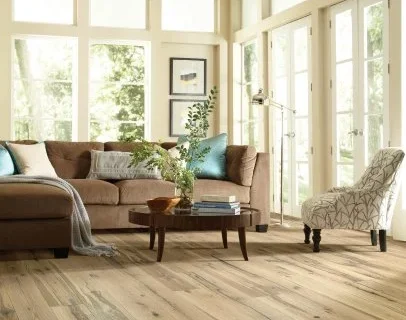
Hardwood Flooring Pros and Cons for Modern Homes
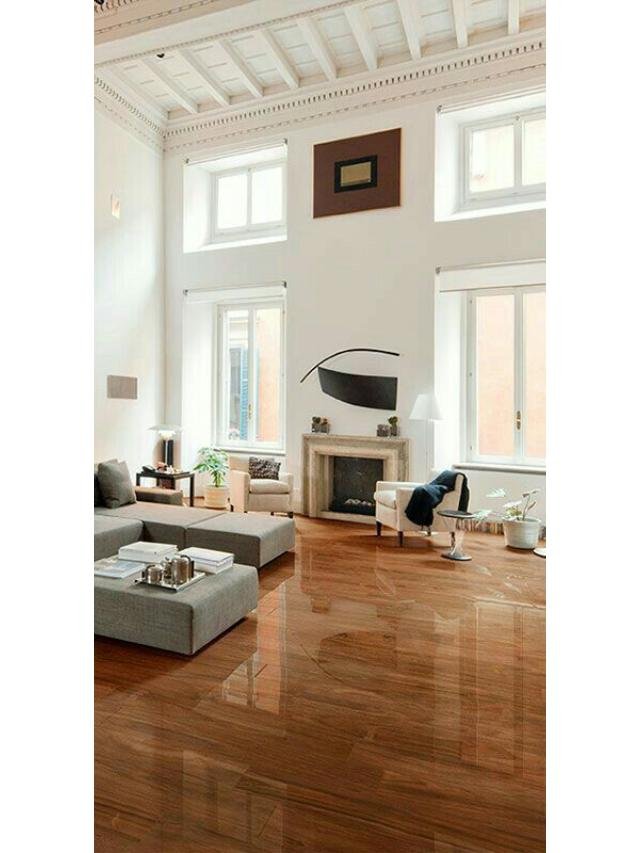
Hardwood flooring has this reputation for being the “premium” choice, and there’s genuine truth to that — but it’s not the automatic right answer for every home. Weighing the real hardwood flooring pros and cons honestly matters more than just chasing the aesthetic appeal.
I installed hardwood in my own living room three years ago, and while I still love the look, there are a couple of maintenance realities nobody mentioned to me beforehand.
Pro: The Aesthetic Genuinely Holds Up Over Time
Quick answer: Hardwood flooring offers a timeless aesthetic that rarely goes out of style compared to trend-driven flooring options, and it can also be refinished multiple times over its lifespan, restoring its appearance without full replacement.
Unlike some flooring trends that date a home within a decade, hardwood tends to look appropriate regardless of when it was installed.
Con: The Upfront Cost Is Significant
Solid hardwood typically costs more per square foot than laminate, vinyl, or engineered alternatives — often ₹250-600 per square foot depending on wood species and finish, before installation labour.
- Oak and teak: mid-to-premium pricing
- Imported exotic woods: significantly higher cost
- Engineered hardwood: a genuinely more affordable middle ground
Pro: Refinishing Extends Its Life Considerably
Unlike most other flooring types, hardwood can be sanded down and refinished multiple times over decades, effectively resetting its appearance without replacing the entire floor. This is a genuine long-term value advantage over materials that simply wear out.
Con: It’s Sensitive to Moisture and Humidity
Quick answer: Hardwood flooring expands and contracts with humidity changes, making it a poor choice for bathrooms, basements, or areas prone to water exposure — engineered hardwood or vinyl handles moisture considerably better in these specific spaces.
This is honestly the biggest drawback in a humid climate — I’ve seen gaps appear between planks during peak monsoon season in poorly acclimatized installations.
Pro: It Genuinely Adds to Resale Value
Real estate agents consistently note that hardwood flooring is a strong selling point, often recovering a good portion of its installation cost at resale, compared to carpet or lower-end flooring options.
Con: Scratches and Dents Show More Visibly
Pet claws, dragged furniture, and high heels all leave visible marks on hardwood far more readily than on more resilient flooring materials like vinyl or tile. If you have large dogs or young kids, this is worth genuinely considering.
Pro: Better for Allergy Sufferers
Hardwood doesn’t trap dust, pet dander, or allergens the way carpet does, making it a genuinely better option for households dealing with allergies or asthma concerns. [link to related guide about best flooring for pets here]
Con: Installation Requires Skilled Labour
Poorly installed hardwood leads to uneven boards, gaps, and squeaking over time. This isn’t really a confident DIY project for most homeowners — professional installation matters considerably more here than with click-lock vinyl or laminate.
FAQs
Is hardwood flooring worth it in a humid climate? It requires careful acclimatization and proper sealing, but engineered hardwood generally handles humidity better than solid hardwood.
How long does hardwood flooring typically last? With proper care and periodic refinishing, 25-100 years depending on wood species and maintenance.
Can hardwood flooring be installed over existing tile? Generally not recommended directly, as it can affect height clearances and moisture control — removal or a proper subfloor is usually needed.
Is engineered hardwood as good as solid hardwood? It offers better moisture resistance at a lower cost, though it can typically be refinished fewer times over its lifespan.
Does hardwood flooring increase home resale value? Generally yes, it’s consistently viewed as a premium feature by buyers compared to carpet or basic laminate.
Final Thoughts
Hardwood flooring genuinely earns its premium reputation for aesthetics, longevity, and resale value — but it’s not without real trade-offs around cost, moisture sensitivity, and maintenance. Weigh these honestly against your specific climate and household before committing. For the right home, it’s absolutely worth it; for a humid, high-traffic space with pets, it might not be the smartest first choice.