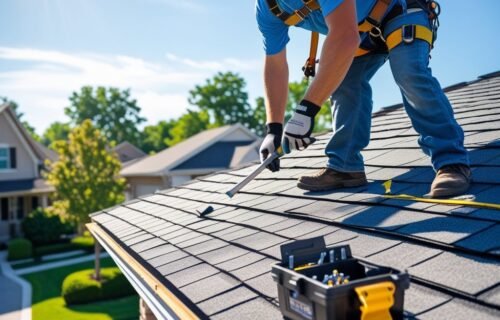
How to Tell If Your Roof Needs Full Replacement or Just Repair
A leaking roof sends most homeowners into a slight panic, and understandably so. But the real question — roof replacement vs repair — isn’t always obvious, and getting it wrong means either wasting money on a full replacement you didn’t need, or patching something that needed far more attention.
A neighbour of mine spent on three separate “repairs” over two years before finally accepting the roof needed full replacement. In hindsight, that money would’ve covered most of the replacement cost outright.
Age of the Roof Is the First Clue
Quick answer: Most roofing materials last 20-25 years, and once a roof passes this age with recurring issues, repair becomes a temporary fix rather than a real solution — replacement generally becomes the more sensible long-term choice.
If your roof is under 10 years old and showing an isolated issue, repair is almost always the right call.
Check How Widespread the Damage Actually Is
A single cracked tile or a small localized leak points clearly toward repair. But if damage shows up in multiple areas simultaneously, that’s usually a sign of broader deterioration rather than an isolated problem.
- Isolated leak in one spot: repair
- Multiple leaks across different areas: likely replacement
- Sagging roofline anywhere: replacement, urgently
Look at the Underlying Structure, Not Just the Surface
Surface damage is often the visible symptom, but the real question is whether the underlying decking or structure has been compromised by prolonged water exposure. This genuinely requires a professional inspection rather than guessing from the ground.
Consider the Cost Comparison Honestly
Quick answer: If roof repair costs are approaching 30-40% of a full replacement’s price, or if you’ve already paid for multiple repairs within a short span, replacement typically offers better long-term value than continuing to patch the same aging roof repeatedly.
This is exactly where my neighbour went wrong — each individual repair seemed reasonable, but the cumulative cost told a different story.
Granule Loss on Shingles Is a Warning Sign
Finding granules collecting in gutters or at the base of downspouts indicates shingles are breaking down internally, even if there’s no visible leak yet. This is often an early sign that replacement is approaching, even without an active problem right now.
Check for Daylight Through the Roof Boards
If you can see daylight coming through roof boards from your attic, that’s a clear indication of a significant gap or structural issue — not something a simple patch job will resolve. [link to related guide about roof maintenance tips here]
Consider Upcoming Weather Patterns
If monsoon season or a particularly harsh summer is approaching and your roof already shows multiple warning signs, it’s worth addressing sooner rather than gambling on a temporary patch surviving another season.
Get at Least Two Professional Opinions
Roofing quotes and recommendations vary significantly between contractors. One might push replacement when repair would genuinely suffice, so getting a second, independent opinion is always worth the time.
FAQs
How do I know if my roof leak is isolated or widespread? A professional inspection, including checking the attic for water stains in multiple locations, gives the clearest answer.
Is roof replacement always more expensive than repeated repairs? Not initially, but multiple repairs over a couple of years often add up to a significant portion of full replacement cost.
What’s the average lifespan of a residential roof? Typically 20-25 years for most common materials, varying by climate and material quality.
Can I repair just one section of the roof instead of the whole thing? Yes, if damage is genuinely localized and the rest of the roof is structurally sound.
Should I replace my roof before selling my home? It depends on the roof’s current condition — a roof with obvious issues can significantly reduce buyer interest or offers.
Final Thoughts
Deciding between roof replacement vs repair really comes down to age, extent of damage, and honest cost comparison over time. Don’t fall into the trap of repeated small repairs on a roof that’s clearly past its reasonable lifespan. Get a proper inspection, ask for the numbers in writing, and make the call based on the full picture, not just this month’s leak.