Roof Maintenance Tips to Extend Its Lifespan
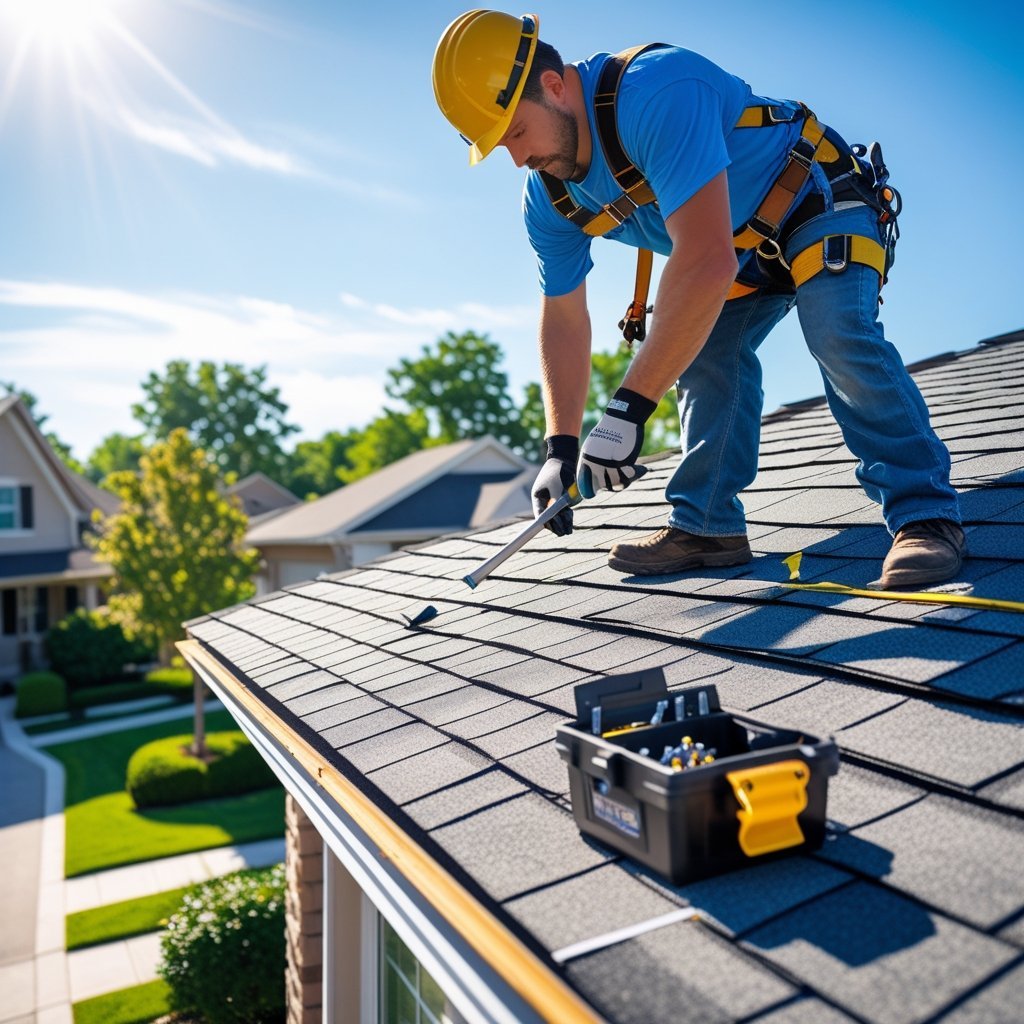
Roofs don’t get much attention until something goes visibly wrong — a leak, a missing shingle, water stains spreading across a ceiling. But a handful of consistent roof maintenance tips can genuinely stretch a roof’s usable life by years, and most of them cost little beyond your time.
I used to be genuinely guilty of “out of sight, out of mind” thinking about my own roof, until a routine gutter check revealed granule buildup I’d completely ignored for over a year.
Clean Gutters Regularly
Quick answer: Clogged gutters cause water to back up under roof edges rather than draining away properly, which is one of the most common and preventable causes of roof damage — cleaning them at least twice a year, more during monsoon, prevents this.
Standing water from a blocked gutter can seep under shingles or tiles far more easily than most people realize.
Trim Overhanging Tree Branches
Branches hanging over your roof drop leaves and debris constantly, and during storms, they can scrape against roofing material or even fall directly onto it. Trimming them back keeps both the roof and gutters considerably cleaner.
Inspect After Major Storms
- Check for missing or displaced shingles or tiles
- Look for dents or damage from fallen debris
- Inspect the attic for any new water stains
Check Flashing Around Chimneys and Vents
Quick answer: Flashing — the metal strips sealing joints around chimneys, vents, and skylights — is one of the most common points of roof leaks, and should be inspected annually for rust, gaps, or lifting that lets water seep underneath.
This is genuinely an easy thing to miss from the ground, so a proper look, even from a ladder, is worth the effort once a year.
Address Moss and Algae Growth Early
Moss and algae hold moisture against the roof surface, gradually degrading shingles or tiles underneath. A gentle cleaning solution, rather than aggressive pressure washing, removes growth without damaging the roofing material itself.
Keep the Attic Properly Ventilated
Poor attic ventilation traps heat and moisture, which shortens roof lifespan from underneath — a problem you won’t notice from outside at all. Proper insulation and ventilation genuinely protect the roof structure just as much as external maintenance does. [link to related guide about roof replacement vs repair here]
Don’t Ignore Small Leaks
A small, seemingly minor leak left unaddressed for months causes far more structural damage than the same leak fixed promptly. Water finds its way into insulation, wood framing, and eventually the ceiling below.
Schedule a Professional Inspection Every Few Years
Even with diligent DIY checks, a professional roof inspection every 3-5 years catches issues that aren’t visible from the ground or even from a quick attic check.
FAQs
How often should gutters actually be cleaned? At least twice a year, with additional checks during and after monsoon season.
Is moss on a roof always a serious problem? Not immediately, but left untreated, it traps moisture and accelerates roofing material breakdown over time.
Can I inspect my own roof safely without professional help? Basic visual checks from the ground or attic are safe, but climbing onto the roof itself is best left to professionals with proper safety equipment.
Does tree trimming really make a meaningful difference? Yes, it significantly reduces debris buildup and prevents storm damage from falling or scraping branches.
How often should a professional roof inspection be done? Roughly every 3-5 years for most roofs, or after any major storm event.
Final Thoughts
Consistent roof maintenance — clean gutters, trimmed branches, and prompt attention to small leaks — genuinely adds years to a roof’s usable life. None of these tasks are particularly difficult or expensive on their own. Put a seasonal reminder on your calendar, and you’ll likely avoid the far more expensive replacement conversation for years longer than you would otherwise.