Best Plants for a Shady Backyard Garden
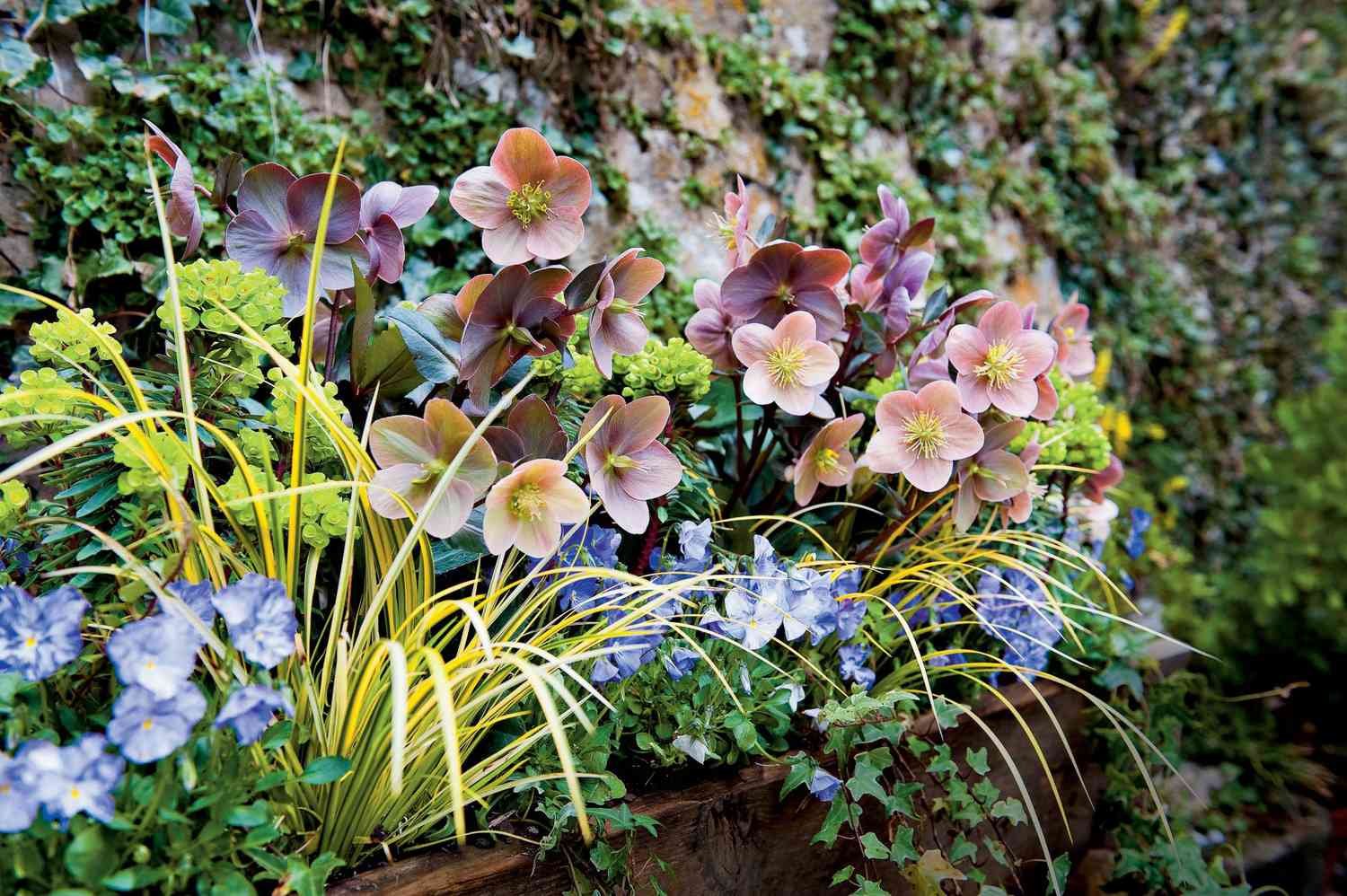
A shaded backyard gets an unfairly bad reputation. Plenty of homeowners assume nothing much will grow there, and give up on the space entirely. That’s simply not true — there’s a genuinely good range of best plants for shade garden conditions, once you know where to look.
My own backyard gets maybe two hours of direct sun a day thanks to a neighbour’s tall tree, and it’s still one of the greenest corners of the house.
Understand Your Shade Type First
Quick answer: Shade comes in different intensities — full shade (less than 2 hours of sun), partial shade (2-4 hours), and dappled shade (filtered light through tree canopy) — and choosing plants for a shade garden correctly starts with identifying which type you actually have.
Watch your yard across a full day before planting anything. Shade patterns shift more than people expect, especially near buildings.
Ferns Thrive Where Little Else Will
Ferns are the classic go-to for deep shade, and for good reason — they genuinely don’t need much light at all, and they add a lush, textured look that brightens an otherwise dark corner.
Hostas Add Color Without Needing Sun
- Broad, patterned leaves in green, blue-green, or variegated tones
- Tolerate a wide range of soil types
- Slugs can be an issue, so watch for damage early
Impatiens Bring Actual Flower Color to Shade
Most flowering plants demand full sun, but impatiens are a genuine exception, blooming reliably even in fairly dark spots. They’re also relatively cheap and easy to find at most nurseries.
Coleus for Foliage Color Instead of Flowers
Quick answer: Coleus is one of the most reliable shade garden plants for adding vivid color without flowers, offering leaves in shades of red, purple, and lime green that stay vibrant even in low-light conditions.
If you want visual impact without waiting for blooms, coleus genuinely delivers faster than most flowering shade plants.
Astilbe for Texture and Subtle Color
Astilbe brings feathery, plume-like flower spikes in shades of pink, red, and white, and handles moist, shaded soil particularly well — a good pick if your shady spot also tends to stay damp.
Groundcover Options for Filling Bare Patches
Bare soil under trees often looks patchy and unfinished. Groundcovers solve this without competing heavily for the limited light available. [link to related guide about vegetable garden layout for beginners here]
- Sweet woodruff for a soft, spreading carpet
- Lamium for silver-tinged foliage in dense shade
- Creeping Jenny where soil stays consistently moist
Don’t Ignore Soil Quality Just Because It’s Shaded
Shaded areas, especially under large trees, often have compacted, root-filled soil that’s genuinely harder to work with. Amending with compost before planting makes a real difference to how well shade plants establish themselves.
FAQs
Can any vegetables grow in a shade garden? Leafy greens like spinach and lettuce tolerate partial shade reasonably well, though most fruiting vegetables need more sun.
Do shade plants need less water than sun-loving plants? Not necessarily — shaded soil can actually retain moisture longer, but tree roots often compete heavily for available water.
What’s the most low-maintenance shade plant? Hostas are widely considered one of the easiest, tolerating a wide range of conditions with minimal care.
Can I add flowering color to a fully shaded yard? Yes, impatiens and astilbe both offer reliable color even in low-light spots.
Is dappled shade good enough for most plants? Yes, dappled shade actually supports a wider variety of plants than deep, full shade.
Final Thoughts
A shaded backyard isn’t a lost cause — it’s just a different kind of garden. Ferns, hostas, and coleus alone can transform a dark, neglected corner into something genuinely green and inviting. Start with two or three of these shade garden plants this season, and watch how much life comes back into a space you’d otherwise written off.