Vegetable Garden Layout Ideas for Beginners
Starting your first vegetable patch is exciting right up until you’re staring at an empty patch of soil, completely unsure where anything should go. A solid vegetable garden layout for beginners honestly matters more than which seeds you buy — get the layout wrong, and even the best seeds struggle.
I made every rookie mistake in my first attempt — tomatoes shading out the lettuce, everything crammed too close together. Learn from that so you don’t have to repeat it.
Start Small, Not Ambitious
Quick answer: A beginner vegetable garden should start with a plot no larger than 4×4 to 4×8 feet — big enough to grow a genuine variety, small enough that weeding and watering don’t become overwhelming chores.
It’s tempting to plan a huge garden on day one. Resist it. A smaller, well-tended plot beats a sprawling, neglected one every single time.
Group Plants by Sun Requirement
Not everything needs the same amount of sunlight, and getting this wrong is probably the most common beginner mistake.
- Full sun (6+ hours): tomatoes, peppers, cucumbers
- Partial sun: leafy greens like spinach and lettuce
- Shade-tolerant: mint, coriander in hotter months
Use Raised Beds If Your Soil Is Poor
Raised beds solve a lot of problems at once — better drainage, warmer soil in cooler months, and honestly, far less bending down to weed. A simple wooden frame, 8-12 inches deep, filled with a mix of soil and compost works well.
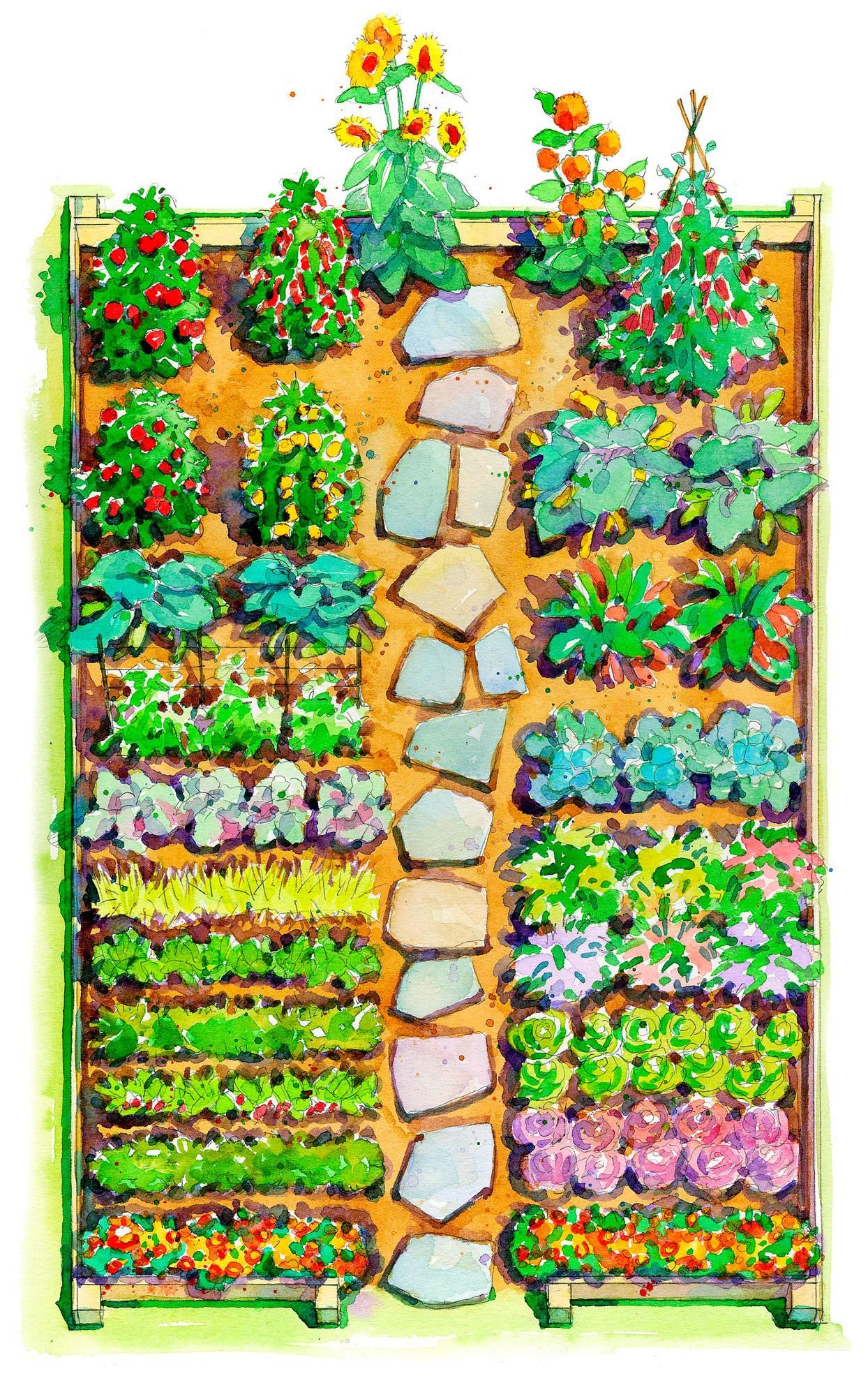
Plan for Height: Tall Plants at the Back
Quick answer: In a vegetable garden layout, taller plants like tomatoes and okra should go toward the back or north side of the bed, so they don’t shade shorter, sun-loving vegetables planted in front of them.
This one sounds obvious once you hear it, but it’s exactly what I got wrong the first time around.
Leave Room to Actually Walk Through
A garden you can’t comfortably access becomes a garden you stop maintaining. Leave at least 18-24 inches between rows for a walking path, even if it feels like wasted space at first.
Companion Planting Basics
Some plants genuinely help each other grow, while others compete for the same nutrients and attract the same pests.
- Tomatoes pair well with basil
- Marigolds help repel pests near most vegetables
- Avoid planting beans near onions — they don’t do well together
Rotate Crops Each Season
Planting the same vegetable in the same spot year after year depletes specific nutrients and invites recurring pests. Even a simple rotation — moving your tomato spot to where beans grew last season — makes a real difference. [link to related guide about best plants for shade garden here]
Water Access Should Shape Your Layout
Plan your layout around wherever your water source is, not the other way around. A garden that requires lugging a heavy watering can across the entire yard daily is a garden that gets neglected within a month.
FAQs
How much space do I actually need for a beginner vegetable garden? A 4×4 to 4×8 foot bed is plenty to start with, and easy to expand later once you’re comfortable.
Can I grow vegetables successfully on a balcony? Yes, container gardening works well for herbs, tomatoes, and leafy greens with adequate sunlight.
What’s the easiest vegetable to grow first? Leafy greens like spinach or coriander tend to be the most forgiving for absolute beginners.
Do I need raised beds if my soil looks fine? Not necessarily, raised beds mainly help with poor drainage or compacted soil.
How often should beginners water a new vegetable garden? Generally every 1-2 days depending on climate, checking soil moisture rather than following a rigid schedule.
Final Thoughts
A good vegetable garden layout for beginners isn’t about perfection — it’s about starting small, respecting sunlight needs, and leaving room to actually tend the space. Pick one corner of your yard or one set of containers this season, and just get something in the ground. You’ll learn far more from one imperfect season than from months of planning.