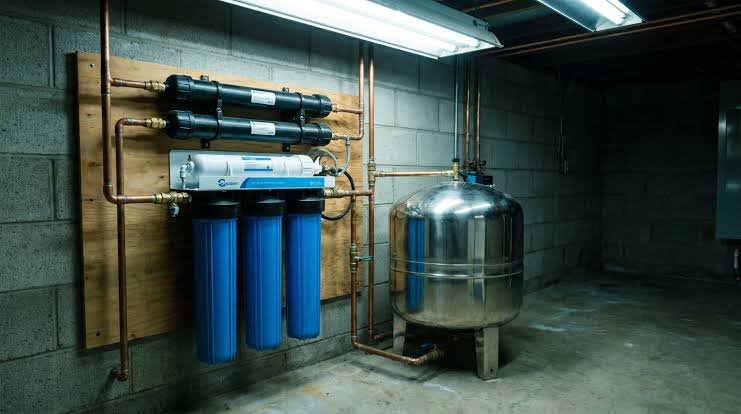
Tag: water softener systems

  • Choosing Between Water Softeners, Whole-Home Filtration, and Reverse Osmosis

    Choosing Between Water Softeners, Whole-Home Filtration, and Reverse Osmosis

    Water problems rarely announce themselves in a dramatic way. More often, they show up as a stubborn white ring around the faucet, a shower door that never seems to stay clean, or drinking water that tastes just a little off. Over time, these small frustrations can become part of the daily routine. The good news is that many common water concerns can be addressed with the right treatment approach—but choosing the right equipment matters.

    Water softeners, whole-home filters, and reverse osmosis systems all serve different purposes. They are sometimes discussed as though they are interchangeable, but they aren’t. Understanding how each works can help homeowners avoid unnecessary purchases and build a water-treatment setup that actually fits their needs.

    Start by Understanding Your Water

    Before choosing a system, it’s worth finding out what you’re dealing with. Water quality can vary based on the source, local geology, plumbing conditions, and treatment practices. A home connected to a municipal supply may have different concerns from one using a private well.

    Some issues are easy to notice. Hard water may leave scale on fixtures, while sediment can cause cloudiness or clog screens. Chlorine may affect taste or smell. Other contaminants, however, may not be visible, which is why appropriate testing is often more useful than relying on appearance alone.

    A water-quality assessment can help identify whether the main concern is hardness, sediment, taste, odor, or a specific contaminant. Once the problem is clear, it becomes much easier to decide whether you need one treatment method or a combination.

    What Water Softener Systems Actually Do

    For households dealing with mineral buildup, water softener systems can be a practical solution. Traditional ion-exchange softeners reduce calcium and magnesium, the minerals primarily responsible for water hardness.

    The effects are often noticeable in everyday chores. Soap may lather more easily, laundry can feel different, and mineral deposits may become less troublesome. Softening may also help reduce scale accumulation in water heaters and other appliances, although results depend on the equipment, water conditions, and existing buildup.

    A softener isn’t a general-purpose purifier. It doesn’t automatically remove every contaminant, and it isn’t designed primarily to improve all aspects of drinking-water quality. Homeowners should consider the system’s capacity, salt usage, regeneration cycle, installation requirements, and ongoing maintenance before making a decision.

    For some homes, a softener is all that’s needed to address the main complaint. For others, it may be one part of a larger treatment plan.

    When Whole-Home Water Filtration Makes Sense

    If the goal is to improve water throughout the house, whole-home water filtration may be worth considering. These systems are generally installed at the main water entry point, so treated water can flow to multiple fixtures rather than just one faucet.

    Depending on the technology used, whole-home filters may reduce sediment, chlorine, odors, and certain other impurities. Some systems use activated carbon, while others combine multiple filtration stages to address specific water conditions.

    This approach can be useful for households that want more than improved drinking water. Water used for showers, laundry, and cleaning may also benefit from filtration when the incoming supply contains noticeable sediment or odors.

    Still, homeowners should read the performance specifications carefully. A filter designed to reduce chlorine won’t necessarily remove hardness minerals, bacteria, or every dissolved contaminant. The phrase “whole-home” describes where the system is installed—not a guarantee that it handles every water-quality issue.

    Understanding Reverse Osmosis

    Reverse osmosis is another popular treatment option, particularly for drinking and cooking water. A reverse osmosis system uses pressure to move water through a semipermeable membrane, reducing many dissolved substances and impurities.

    Most residential systems include several stages of treatment. Sediment and carbon filters may protect the membrane, while a final filter can help polish the treated water before it reaches the faucet. Some systems also use a storage tank to provide water when needed.

    RO can be useful when homeowners want to improve taste or reduce specific dissolved contaminants. However, it is generally a point-of-use solution rather than a whole-house treatment method. It may also produce some wastewater and requires regular filter and membrane replacement.

    The most important consideration is performance against the contaminants that matter in your water. Look for reliable product information and relevant certifications rather than choosing a system simply because it promises “pure water.”

    Do You Need One System or More Than One?

    This is where understanding the problem becomes especially valuable. A household with hard water and chlorine taste may benefit from a softener combined with carbon filtration. A home with a private well might need sediment removal, iron treatment, or microbial disinfection depending on test results.

    In some cases, a whole-home filter can handle the primary concern, while an under-sink RO system provides additional treatment for drinking water. In other situations, a softener may be paired with filtration to address both scale and taste.

    There is no universal combination that works for every property. Installing more equipment isn’t automatically better. Each additional system adds installation costs, maintenance responsibilities, and replacement expenses. The goal should be effective treatment—not a complicated setup that looks impressive but solves very little.

    Installation and Maintenance Matter

    Even the right equipment needs to be installed correctly. Water pressure, plumbing layout, drainage, electrical requirements, and available space can all affect how a system performs. Professional installation may help prevent leaks, incorrect connections, and avoidable operating problems.

    Maintenance is just as important. Filters need replacement, softeners may require salt and periodic servicing, and RO membranes have a limited service life. Ignoring these tasks can reduce performance and increase the chance of problems.

    Before buying, ask about the full ownership experience. How often do filters need changing? What do replacement parts cost? Is servicing available locally? What happens if water pressure drops or the system stops working?

    These details may not be as exciting as the equipment’s features, but they matter in the long run.

    Making a Choice That Fits Your Home

    The right water-treatment solution begins with a clear understanding of your water and your priorities. Do you want to reduce scale? Improve taste? Treat water at every fixture? Address a specific contaminant? The answer will guide the technology you need.

    Start with testing where appropriate, compare systems based on verified capabilities, and ask questions before committing. A reputable water-treatment professional should explain what a system can do, what it cannot do, and what maintenance it will require.

    Water softeners, whole-home filters, and reverse osmosis systems can each play a useful role. The smartest approach isn’t necessarily choosing the most advanced option—it’s choosing the one that addresses the actual problem. When the equipment matches the water, everyday improvements can be surprisingly noticeable, from cleaner fixtures to better-tasting water at the kitchen sink.
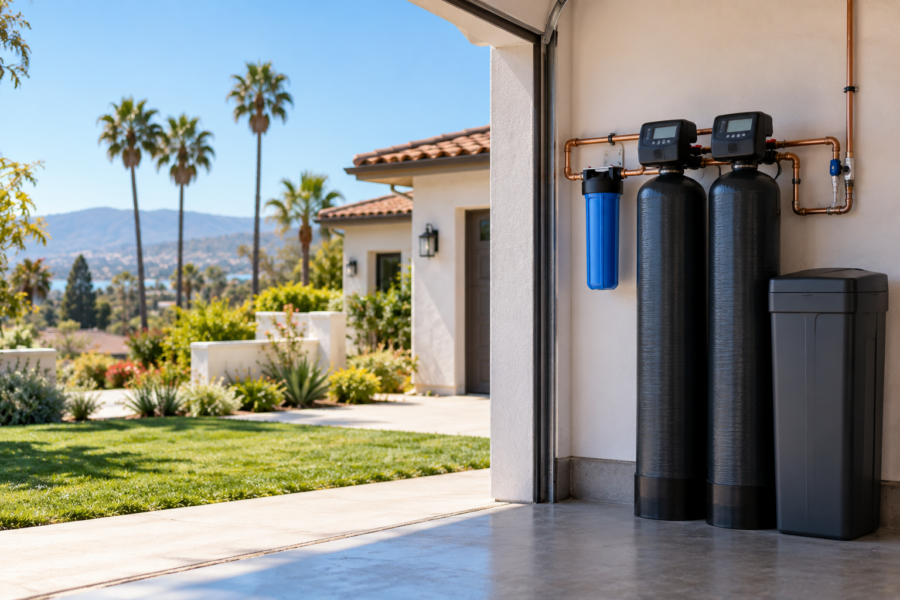
  • How the Right Water Treatment System Can Transform Your Home’s Water

    How the Right Water Treatment System Can Transform Your Home’s Water

    Water is something most of us use without giving it much thought. We turn on the tap, fill a glass, wash our hands, or start the washing machine. But when the water leaves behind spots, tastes strange, or makes soap difficult to rinse, it becomes clear that not all water feels the same. Water quality can affect everyday comfort, household appliances, and even how much time you spend cleaning.

    The good news is that improving your home’s water doesn’t always require a complicated solution. The right treatment system depends on what’s actually present in your water and what you want to improve. From mineral-heavy water to unwanted contaminants, understanding the available options is the first step toward making a sensible decision.

    Understanding What May Be in Your Water

    Water quality can vary considerably from one location to another. Some homes deal with hard water, which contains higher levels of minerals such as calcium and magnesium. These minerals aren’t usually a major health concern, but they can create practical problems around the house.

    Hard water may leave white deposits on faucets, shower doors, and sinks. It can also make soap less effective, leave skin feeling dry, and cause mineral buildup inside water heaters and plumbing fixtures over time. If you’ve ever cleaned a glass shower door only to see the spots return a few days later, hard water may be part of the reason.

    Other concerns are less visible. Depending on the local water source, plumbing, and treatment practices, water may contain sediment, chlorine, or specific contaminants that homeowners want to reduce. A water test can help identify these concerns instead of relying on guesswork.

    Making Hard Water Easier to Manage

    For households dealing with mineral buildup, water softener systems can be a practical way to improve water throughout the home. These systems are designed to reduce the effects of hardness, often through an ion-exchange process that replaces calcium and magnesium ions with sodium or potassium ions.

    The difference may show up in small, everyday ways. Soap can lather more easily, laundry may feel less stiff, and scale buildup on fixtures can become less noticeable. Over time, reducing hardness can also help protect certain plumbing components and appliances from mineral deposits.

    However, a softener isn’t a universal water purifier. It primarily addresses hardness rather than every possible contaminant. That’s why it’s important to understand your water’s composition before choosing a system. A household with hard water may benefit from softening, while another home may need a different type of filtration—or a combination of treatments.

    What Whole-Home Filtration Can Do

    While softeners focus mainly on hardness, filtration systems target other unwanted substances. Whole house filtration is designed to treat water as it enters the property or at a central point, helping provide treated water to multiple outlets rather than only one tap.

    Depending on the filter technology, these systems may reduce sediment, chlorine taste and odor, or certain other contaminants. The exact results depend on the filter’s design and certification, so homeowners should always check what a particular system is actually tested to remove.

    One advantage of whole-home filtration is convenience. Instead of installing separate filters on several faucets, a central system can support water quality across showers, sinks, and other household fixtures. This can be especially useful for families who want a consistent approach to treating the water they use every day.

    Still, not every filtration system removes the same things. A sediment filter, carbon filter, and specialized contaminant-reduction system serve different purposes. The goal isn’t simply to buy the most expensive equipment. It’s to choose technology that matches the problem.

    Why Drinking Water May Need a Different Approach

    Water used for bathing and cleaning has different treatment needs from water intended for drinking. Even if a home’s general water quality is acceptable, some families prefer an additional level of treatment for cooking and drinking water.

    This is where reverse osmosis can be useful. Reverse osmosis systems use pressure to push water through a semipermeable membrane, reducing many dissolved substances and other impurities. These systems are commonly installed under a kitchen sink and are often used to produce treated drinking water.

    Reverse osmosis can be an effective option for certain water-quality concerns, but it also has considerations. The system may produce wastewater during operation, filters and membranes require maintenance, and some beneficial minerals may also be reduced. Many systems include additional stages, such as carbon filtration or remineralization, depending on the design.

    As with any treatment method, it’s worth checking performance claims and choosing a system that is appropriate for the water being treated.

    Testing Water Before Choosing Equipment

    One of the most overlooked steps in water treatment is testing. It can be tempting to choose a system based on a neighbor’s recommendation or an advertisement promising cleaner, healthier water. But two homes in the same area can still have different plumbing conditions, water sources, or treatment needs.

    A professional water test can help identify hardness levels, pH, sediment, and other relevant concerns. Depending on the situation, testing may also examine specific contaminants such as iron, nitrates, or PFAS. The appropriate test should be based on local conditions and the concerns you want to investigate.

    Once the results are available, the decision becomes much clearer. You can determine whether you need a softener, a whole-home filter, an under-sink drinking water system, or a combination of solutions. This approach can prevent unnecessary spending and make maintenance easier later.

    Maintenance Is Part of the Solution

    Even a well-designed water treatment system needs regular attention. Filters have replacement schedules, softeners may require salt or potassium chloride, and reverse osmosis systems need periodic membrane and filter changes. Ignoring maintenance can reduce performance and, in some cases, affect water quality.

    It’s helpful to keep a simple record of installation dates, filter replacements, and service visits. Homeowners should also follow the manufacturer’s instructions and pay attention to changes in water taste, pressure, or appearance.

    A reliable installer can explain not just how the system works, but also what ongoing care will involve. That information matters because a treatment system should fit your routine—not become another household chore that gets forgotten.

    Choosing a System That Fits Your Home

    The right water treatment setup depends on several factors: water test results, household size, available installation space, budget, and the type of improvement you want. A small drinking-water concern may only require a point-of-use system, while widespread hard water may call for treatment at the main water line.

    It’s also worth asking about flow rate, warranty coverage, replacement filter costs, installation requirements, and expected lifespan. A system’s initial price is only one part of its total cost. Affordable replacement parts and dependable service can make a meaningful difference over the years.

    Most importantly, avoid choosing equipment based solely on broad claims. Look for clear specifications, relevant certifications, and a provider willing to explain what the system can—and cannot—do.

    A Better Water Experience Starts With the Right Information

    Improving your home’s water quality doesn’t have to mean buying every treatment product available. It starts with understanding the water you have, identifying the issues that matter, and selecting equipment designed to address them.

    Whether you’re trying to reduce hard-water scale, improve water throughout the house, or produce better-tasting drinking water, the best solution is one that matches your actual needs. With proper testing, suitable technology, and regular maintenance, a water treatment system can make everyday life more comfortable while helping you care for the appliances and fixtures that keep your home running.