Tag: hard water problems

  • When Hard Water Becomes a Daily Nuisance, It May Be Time to Take a Closer Look

    When Hard Water Becomes a Daily Nuisance, It May Be Time to Take a Closer Look

    Most homeowners don’t wake up thinking about the mineral content of their water. They’re thinking about breakfast, getting the kids ready, finding the car keys — normal stuff. Water quality usually stays somewhere in the background.

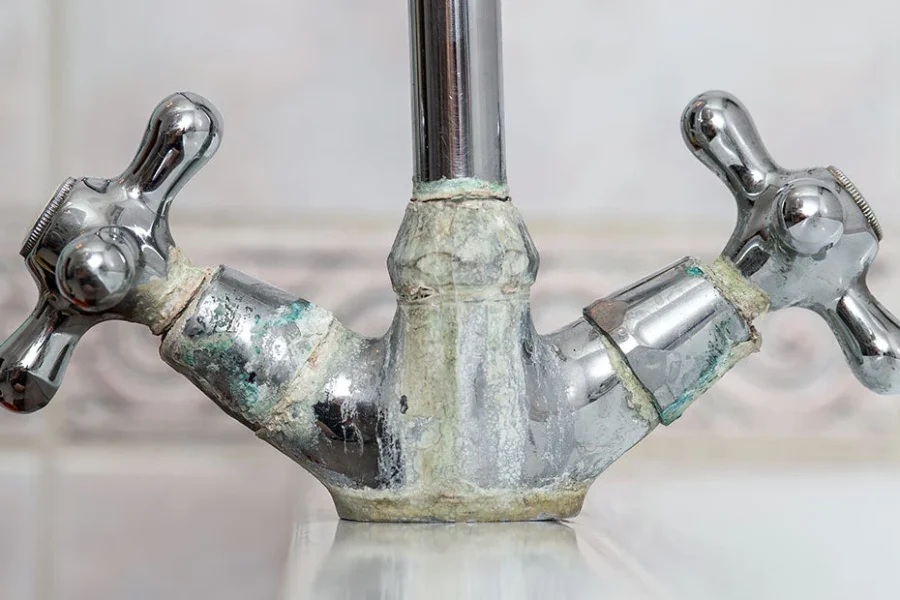
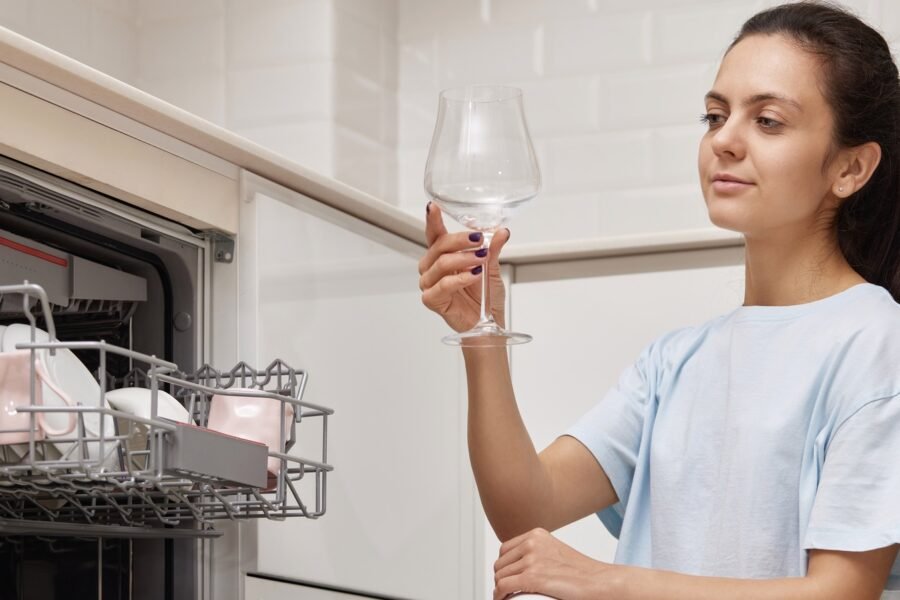
    Then the shower door develops cloudy marks. The kitchen faucet gets a chalky ring. Glasses come out of the dishwasher looking less than sparkling. Soap seems strangely difficult to rinse away. None of these things is a disaster, but together they can become a persistent irritation.

    Often, the culprit is hard water.

    Hard water isn’t necessarily dangerous, and in many homes it’s more of a maintenance headache than a health concern. Still, if you’ve been scrubbing the same mineral stains every Saturday morning, it’s worth understanding what’s happening and what can actually be done about it.

    What Makes Water Hard?

    Water becomes hard when it contains higher levels of naturally occurring minerals, particularly calcium and magnesium. These minerals are picked up as water travels through soil and rock before reaching a well, reservoir, or other water source.

    The amount varies considerably from one location to another. Two homes only a few miles apart can sometimes experience noticeably different water conditions.

    You may not taste hardness directly, but its effects can be pretty obvious. Water spots, mineral deposits, stiff-feeling laundry and reduced soap performance are common signs.

    The important thing is not to assume every water problem comes from hardness. Testing is the best way to confirm what’s actually in the water.

    Why Hard Water Can Feel So Annoying

    One of the reasons hard water problems are so frustrating is that they rarely arrive as one big event. Instead, they’re a collection of small problems that slowly become part of everyday life.

    You clean the faucet today, and the white residue returns a few days later. You wash the shower walls, then notice another cloudy film. You use more soap because it doesn’t seem to lather properly.

    Over time, those little inconveniences can make the whole house feel harder to maintain.

    Hard water can also affect water-using appliances. Heating water encourages minerals to precipitate and form deposits, which may accumulate inside water heaters and other equipment. The extent of the impact depends on water hardness, temperature, usage, equipment design, and maintenance.

    It’s not something that happens overnight. That’s precisely why it can be easy to overlook.

    The Story Behind Those White Deposits

    If you’ve ever wondered why a clean faucet suddenly develops a crusty white edge, you’re seeing mineral deposits.

    As water evaporates, calcium and other minerals can remain behind. Repeated exposure creates deposits that become increasingly noticeable.

    This scale buildup is especially common around faucets, showerheads, kettles, coffee equipment and other places where water is heated or frequently evaporates.

    A little scale might look harmless, and sometimes it is mostly cosmetic. But heavier deposits can interfere with water flow or reduce the efficiency of certain equipment.

    Once deposits become established, removing them can require considerably more effort than preventing them in the first place.

    What Water Softeners Actually Do

    If testing confirms that hardness is a significant concern, a water softening system may be worth considering.

    Water softeners are designed to reduce hardness minerals in water, typically through an ion-exchange process. The system exchanges calcium and magnesium ions for other ions, commonly sodium or potassium, depending on the setup.

    The result is water with lower hardness, which can help reduce mineral deposits throughout the plumbing system.

    Many homeowners notice the difference in everyday tasks. Soap may lather more easily. Glassware can come out cleaner. Fixtures may require less frequent scrubbing.

    However, a softener isn’t a universal filter. It isn’t designed to remove every possible contaminant or solve every water-quality concern. That’s why testing and proper system selection matter.

    Your Water Heater Deserves Attention

    Water heaters are particularly relevant when discussing hard water because heating can encourage mineral deposits to form.

    Over time, sediment and scale can accumulate inside the tank or on heating components. In some situations, these deposits may contribute to reduced efficiency or unusual noises.

    The actual effect depends on the equipment and water conditions, so it’s not sensible to assume every hard-water home will experience the same issue.

    Still, if you’re already seeing heavy mineral deposits around faucets and fixtures, it may be worth asking whether your water heater and other appliances are receiving the same treatment.

    Preventive maintenance is usually easier than dealing with an expensive equipment failure later.

    Hard Water and Cleaning

    There’s another side to hard water that homeowners notice almost immediately: cleaning.

    When soap reacts with calcium and magnesium, it can leave behind residue. This may appear on shower walls, sinks, bathtubs and other surfaces.

    Laundry can be affected too. Clothes may feel less soft or look dull over time, particularly when detergent isn’t performing as effectively as it should.

    Many people respond by simply using more cleaning products. That can help to a point, but it doesn’t address the underlying water condition.

    Sometimes the better solution is to deal with the hardness itself rather than continuously fighting the symptoms.

    Don’t Choose Equipment Based on Guesswork

    It’s easy to walk into a store or browse online and find dozens of systems that claim to solve hard water.

    The challenge is figuring out which one actually fits your home.

    Start with a water test. Understand the hardness level and identify whether other water-quality concerns are present. Then consider household size, water usage, plumbing configuration and available installation space.

    It’s also smart to ask about maintenance. How often will the system need service? What consumables are required? How much salt or other material will it use? What happens if the equipment needs repair?

    A good treatment system should be manageable after installation, not a mystery sitting in the basement.

    Maintenance Makes a Difference

    Even the best softening equipment needs routine care.

    Depending on the system, that may involve replenishing salt or potassium chloride, checking settings, cleaning components, inspecting valves, and replacing parts when necessary.

    Modern systems may automate much of the process, but they still benefit from occasional professional inspection.

    Ignoring maintenance can affect performance and may shorten equipment life. A few minutes spent checking the system regularly can be much cheaper than discovering that it hasn’t been working properly for months.

    Look Beyond the Immediate Problem

    Reducing hardness isn’t only about getting rid of white spots on the kitchen faucet.

    It can also be about making everyday maintenance easier, protecting water-using equipment, and improving the overall experience of using water around the house.

    That doesn’t mean every home needs a softener. Some properties have relatively mild hardness, while others have much more significant mineral content.

    The right decision depends on the actual water conditions and what matters most to the household.

    A Cleaner Routine Starts With Understanding the Water

    Hard water is one of those household problems that can seem insignificant until you’ve dealt with it for years. The stains, residue, extra cleaning and appliance concerns slowly add up.

    The good news is that it’s usually a manageable issue once you know what you’re dealing with.

    Test the water first. Understand the hardness level. Look at the needs of your home and equipment, then choose treatment accordingly.

    A water softener may be the right answer for one property, while another may need a completely different approach. What matters is avoiding guesswork.

    Good water treatment isn’t about buying the biggest system available. It’s about solving the right problem, maintaining the equipment and making everyday life a little less frustrating. And honestly, if your Saturday mornings could use fewer mineral stains and less scrubbing, that’s a pretty worthwhile improvement.
  • How Water Softeners Help Protect Your Home From Hard Water Damage

    How Water Softeners Help Protect Your Home From Hard Water Damage

    Water is one of those things we use all day without giving it much thought. We turn on the shower, wash dishes, run the laundry, and fill a glass from the tap. But when the water contains too many dissolved minerals, those everyday routines can slowly become frustrating. Spots appear on glassware, soap refuses to lather properly, and fixtures lose their shine.

    Hard water is common in many parts of the world, and while it’s not usually considered a serious health concern, it can create practical problems around the home. Understanding what causes these issues—and how to manage them—can help homeowners protect their plumbing, appliances, and daily comfort.

    What Makes Water Hard?

    Hard water contains elevated levels of naturally occurring minerals, particularly calcium and magnesium. As groundwater moves through soil and rock, it can absorb these minerals before entering wells, municipal supplies, or other water sources.

    The hardness level varies considerably from one location to another. Some households may barely notice it, while others deal with mineral deposits almost immediately after cleaning. Water testing is the most reliable way to determine how hard the water actually is.

    Although hard water is generally safe to drink, its effects can become more noticeable when heated or combined with soap. That’s where many household complaints begin.

    The Everyday Signs of Hard Water

    One of the earliest signs of hard water is often a thin, chalky residue on faucets, shower doors, and sinks. Dishes may come out of the dishwasher with cloudy spots, even after a complete cycle. Clothes can feel rough or look dull after repeated washing.

    Soap and shampoo may also struggle to create a rich lather. Hardness minerals react with soap, forming a residue that can cling to skin, hair, and bathroom surfaces. Some people describe their skin as feeling dry or their hair as less manageable, though these experiences can vary.

    These may seem like small annoyances, but when they happen every day, they add up. Cleaning takes longer, products get used more quickly, and appliances may require extra attention.

    Common Hard Water Problems Around the House

    The effects of hard water extend beyond cosmetic issues. Over time, mineral deposits can accumulate inside pipes, water heaters, washing machines, dishwashers, and other water-using appliances.

    One of the most common hard water problems is reduced efficiency in water-heating equipment. When minerals collect on heating elements or inside tanks, the equipment may need more energy to transfer heat effectively. This can contribute to higher operating costs and increased maintenance needs.

    Hard water can also affect laundry. Mineral residue may prevent detergents from working as effectively, leaving fabrics feeling stiff or making colors appear less vibrant. While detergent adjustments may help in mild cases, persistent hardness often requires a more comprehensive solution.

    Why Scale Buildup Deserves Attention

    Mineral deposits become especially troublesome when they harden into a stubborn layer known as scale. This is particularly common in areas where water is heated regularly, such as inside water heaters, coffee machines, and hot-water pipes.

    Scale buildup can restrict water flow, reduce heating efficiency, and place stress on equipment. In severe cases, deposits may contribute to blockages or costly repairs. The extent of the problem depends on water hardness, temperature, usage patterns, and how long the minerals have been accumulating.

    Regular cleaning can remove surface deposits, but it doesn’t address the minerals entering the water system in the first place. That’s why many homeowners look for ways to reduce hardness at the source.

    How Water Softeners Work

    A water softener is designed to reduce calcium and magnesium in the water supply. Most traditional systems use a process called ion exchange. Water passes through a tank containing resin beads, which attract hardness minerals and exchange them for sodium or, in some systems, potassium ions.

    Once the resin becomes saturated, the system enters a regeneration cycle. During regeneration, a salt-based solution helps restore the resin’s ability to capture minerals. The system then rinses itself before returning to normal operation.

    Modern water softeners are available in different sizes and configurations. Some use demand-based regeneration, meaning they regenerate according to actual water consumption rather than following a fixed schedule. This can help improve salt and water efficiency when the system is properly programmed.

    Choosing the Right Softener for Your Home

    Not every household needs the same type or size of softener. The right choice depends on several factors, including water hardness, household size, daily water consumption, and the number of bathrooms and appliances using water.

    A system that is too small may struggle during periods of heavy usage. An oversized unit may cost more than necessary and could operate inefficiently if it isn’t configured correctly.

    Before purchasing, homeowners should consider getting a professional water test. It can help identify hardness levels and reveal whether other concerns—such as iron, sediment, or unpleasant odors—may require additional treatment.

    It’s also important to think about installation space, drainage, salt storage, and ongoing maintenance. A softener is a long-term household investment, not just another appliance to plug in and forget.

    Maintenance Makes a Difference

    Water softeners generally require routine care to perform properly. Salt-based systems need regular replenishment, while the brine tank and resin system may require occasional inspection or cleaning. Some units also include filters or pre-treatment components that need attention.

    Homeowners should follow the manufacturer’s maintenance recommendations and keep an eye on changes in water quality. If water begins to feel different, spots return, or salt consumption suddenly increases, the system may need adjustment or servicing.

    Skipping maintenance can reduce effectiveness and may lead to unnecessary repairs. A little attention every few months is usually far easier than dealing with a neglected system later.

    Are Water Softeners Worth It?

    For homes with moderate to severe hard water, a properly selected softener can help reduce mineral deposits, improve soap performance, and protect water-using appliances. It may also make cleaning easier and improve the overall feel of water during showers and washing.

    However, water softeners are not a universal answer to every water-quality concern. They primarily address hardness minerals and may not remove contaminants such as bacteria, certain chemicals, or dissolved substances that require other treatment technologies.

    The best approach is to understand the actual water quality first. A test-based decision helps homeowners avoid paying for equipment that doesn’t solve their particular problem.

    A More Comfortable Water Experience

    Hard water may not announce itself dramatically, but its effects can become part of everyday life. From cloudy glassware to mineral deposits inside appliances, the signs are often easy to recognize once you know what to look for.

    With proper testing, the right treatment system, and regular maintenance, homeowners can reduce many of these frustrations. Water softening isn’t about changing water for the sake of it. It’s about protecting the things that rely on water—and making ordinary household routines a little easier.

  • A Practical Guide to Dealing With Hard Water at Home

    A Practical Guide to Dealing With Hard Water at Home

    You don’t always notice your home’s water quality right away. It can take a few weeks, sometimes months, before the little clues start adding up. White spots appear around the faucet. Soap seems harder to rinse away. Your freshly washed clothes don’t feel quite as soft as they used to. Then one day, you’re scrubbing mineral buildup from the shower and wondering why it keeps coming back.

    These are common signs of hard water, and they’re more than just a cleaning nuisance. Minerals dissolved in water can affect plumbing fixtures, appliances, laundry, and everyday household routines. Fortunately, understanding what’s happening is often the first step toward making a practical improvement.

    What Makes Water Hard?

    Hard water contains higher concentrations of naturally occurring minerals, particularly calcium and magnesium. These minerals aren’t necessarily something you can see when water comes out of the tap. The trouble becomes noticeable when they interact with soap, heat, plumbing surfaces, and household appliances.

    The level of hardness varies considerably from one location to another. Groundwater often picks up minerals as it moves through rock and soil, while municipal water supplies can also have different mineral profiles depending on their source and treatment processes.

    That’s why one household might barely notice hardness while another deals with it every single day.

    Everyday Signs You May Be Dealing With Hard Water

    The most obvious clues tend to show up around sinks and showers. Cloudy glass, crusty faucet aerators, and chalky deposits are familiar sights in homes with significant mineral buildup.

    But the effects don’t stop there. One of the more frustrating hard water problems is the way minerals interact with soap. Instead of rinsing cleanly, soap can combine with calcium and magnesium and leave behind residue. Your skin may feel dry or coated after a shower, while hair can sometimes feel less manageable.

    Laundry can be affected too. Clothes may come out of the washing machine feeling stiff, especially if detergent isn’t working efficiently.

    None of these signs necessarily means there’s a serious health issue. Hardness is primarily a water-quality and household-performance concern. Still, it can become an expensive nuisance when ignored for years.

    Why Appliances Don’t Love Hard Water

    Think about every appliance in your home that regularly uses heated water. Water heaters, dishwashers, washing machines, coffee makers, and similar equipment can all encounter mineral buildup.

    Heat encourages dissolved minerals to come out of solution and form scale. Inside a water heater, that buildup can accumulate around heating elements or at the bottom of the tank. Over time, excessive scale may reduce efficiency and contribute to maintenance issues.

    This doesn’t mean hard water will suddenly destroy an appliance. It’s more gradual than that. The concern is the cumulative effect—one small layer of mineral deposits followed by another.

    Reducing hardness can therefore be part of a broader strategy for keeping water-using equipment in better working condition.

    How Water Softeners Help

    A common solution for household hardness is an ion-exchange softener. In simple terms, the system passes water through a resin that captures calcium and magnesium and exchanges them for sodium or potassium ions.

    Modern water softeners are available in different sizes and configurations, so choosing the right one matters. A system designed for a small household may not be appropriate for a larger family with heavy water consumption.

    It’s also important not to assume that every water-quality issue requires a softener. A softener is designed primarily for hardness. It isn’t a universal filter for bacteria, every chemical contaminant, or every taste and odor issue.

    Testing the water first can save you from buying equipment that doesn’t actually address the problem you’re experiencing.

    Choosing the Right Water Softener System

    There are plenty of products on the market, and the specifications can get confusing quickly. Capacity, regeneration frequency, salt efficiency, flow rate, control valves, and household water use all deserve consideration.

    When comparing water softener systems, look beyond the sticker price. A cheaper unit may not provide the capacity your household needs, while an unnecessarily large system can waste resources.

    Installation also matters. The system needs to be connected correctly, positioned where it can be serviced, and configured according to the home’s water demand. For many homeowners, professional installation is worth considering, especially when changes to existing plumbing are required.

    A good system should work quietly in the background. You shouldn’t have to think about it every morning.

    What About Salt-Free Alternatives?

    You may have heard about salt-free water conditioners. These products are sometimes marketed as alternatives to traditional softeners, but they don’t necessarily work in the same way.

    Many salt-free systems are designed to condition minerals so they are less likely to form certain types of scale. They generally don’t remove calcium and magnesium from the water through ion exchange.

    That distinction matters. If your main goal is genuinely softer water, you should understand exactly what a particular system does before purchasing it.

    For some households, conditioning may be useful. For others, conventional softening may better match their needs. The answer depends on water chemistry, household priorities, and what “better water” means to you.

    Maintenance Makes a Difference

    Even a well-designed treatment system needs attention. Salt-based softeners need an adequate supply of salt or potassium chloride, depending on the setup. Resin tanks and control components may also require periodic servicing.

    Don’t wait until the water starts behaving strangely before checking the equipment.

    A simple maintenance routine can include checking salt levels, monitoring regeneration cycles, inspecting connections, and replacing or servicing components according to manufacturer recommendations. If your water characteristics change, testing it again is sensible.

    It sounds boring, admittedly. But five minutes of routine attention is a lot easier than dealing with a neglected system after it stops performing properly.

    When Professional Help Makes Sense

    Some water problems are straightforward. Others aren’t.

    If you have severe scale, unusual odors, staining, changing water pressure, or concerns about contaminants, professional testing can help identify what’s actually happening. This is especially useful for homes using private wells, where water chemistry can vary considerably.

    A professional can also calculate household water demand and help determine whether a softener is appropriately sized. That’s important because treatment equipment isn’t one-size-fits-all.

    Rather than treating symptoms blindly, the goal should be to understand the water first and then choose equipment that addresses the specific issue.

    A Better Approach to Household Water

    Hard water isn’t something you have to simply accept, but it also doesn’t require a rushed purchase. Start with observation. Look at the mineral deposits, appliance buildup, laundry results, and overall water experience. Then test the water if you’re unsure about the underlying cause.

    From there, the right treatment becomes much easier to identify.

    For some homes, softening can make daily life noticeably simpler. For others, filtration or a different treatment method may be more appropriate. What matters is matching the solution to the actual water—not buying the biggest or most expensive system on the shelf.

    Good water treatment is rarely about chasing perfection. It’s about making the water work better for your home, your appliances, and the routines that happen there every day.