Choosing a Water Treatment System That Actually Fits Your Home
There’s a point when you start noticing your water.
Maybe it’s the chalky ring around the bathroom faucet. Maybe your glass of water has a faint taste you can’t quite explain. Or perhaps the family kettle seems to collect mineral buildup faster than you can clean it. None of these things necessarily mean something is seriously wrong, but they’re good reasons to pay attention.
Water quality can affect much more than drinking. It can influence plumbing fixtures, appliances, laundry, showers, cooking, and the general feel of a home. The challenge is figuring out what your property actually needs without getting buried under a list of technical terms and expensive equipment.
A sensible approach starts with one simple idea: treat the water based on the problem, not based on what happens to be popular.
Begin With a Water Test
It’s easy to look at a catalog of filtration products and think, “That one sounds about right.” But water treatment isn’t a guessing game.
Water can contain different levels of hardness, sediment, iron, chlorine, dissolved minerals, and other substances. Two houses on the same street can even have different concerns because of plumbing, water sources, or changing conditions.
Testing provides useful information before you invest in equipment. It helps identify what needs attention and what doesn’t.
From there, residential water solutions can be chosen around actual water characteristics rather than assumptions. That might mean filtration for sediment, softening for hardness, or a point-of-use system for drinking water.
It’s a small step, but it can save you from buying equipment that never really solves the problem.
Hard Water Has a Way of Making Itself Known
Hard water is one of the most common complaints homeowners have.
Calcium and magnesium can leave white deposits on fixtures and shower doors. Soap may not rinse away as easily, and clothes can sometimes feel different after repeated washing. Over time, mineral scale can build inside water heaters, dishwashers, and other equipment.
The signs aren’t always dramatic. Sometimes it’s just the constant annoyance of cleaning the same marks over and over.
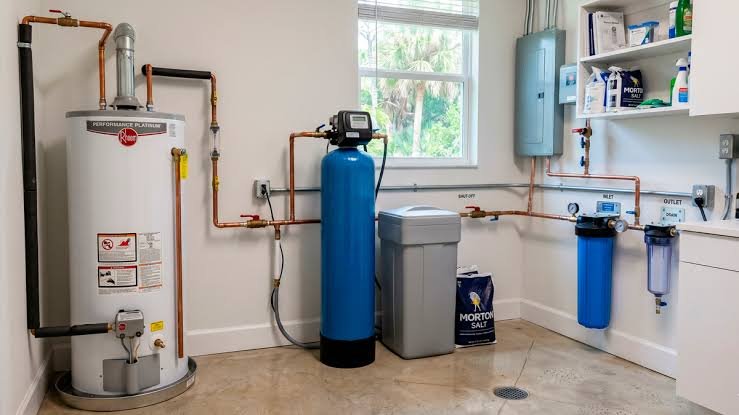
That’s where water softeners may make sense when testing confirms hardness is a significant concern. A properly sized softener can reduce the minerals responsible for many scale-related problems and make everyday cleaning a little less frustrating.
However, a softener isn’t a universal water purifier. It has a particular job, and it works best when used for the problem it was designed to address.
Not Every Household Needs the Same Setup
A household of two people living in a compact home doesn’t have the same water demand as a family of six with several bathrooms.
That sounds obvious, yet system sizing is sometimes treated as an afterthought.
Water consumption, peak flow, water hardness, plumbing configuration, available installation space, and future household needs should all be considered. A system that’s too small may struggle during busy periods. One that’s unnecessarily large may cost more without delivering meaningful benefits.
There’s no need to make things complicated. The goal is simply to choose equipment that can comfortably handle normal demand.
When Treating the Whole House Makes Sense
Sometimes the water issue is everywhere.
If hard water is leaving deposits throughout the property, or if a particular water characteristic is affecting showers, laundry, appliances, and fixtures, treating a single drinking-water tap won’t address the bigger picture.
In those situations, whole-home treatment can provide a more consistent approach. Water can be treated as it enters the property, allowing multiple points of use to benefit from the system.
The exact equipment depends on the water analysis. Some homes may need softening, others filtration, and some may benefit from several treatment stages working together.
The key is not to assume that “whole home” automatically means “more equipment.” It means treating water across the property when there is a genuine reason to do so.
Drinking Water May Need Its Own Approach
Many homeowners care most about the water they drink and use for cooking.
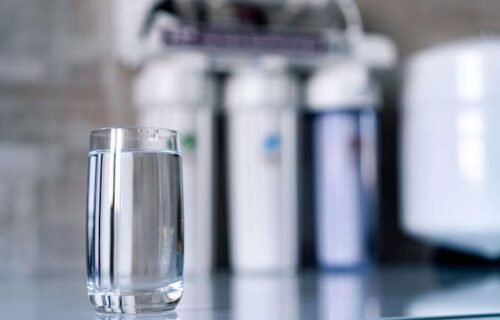
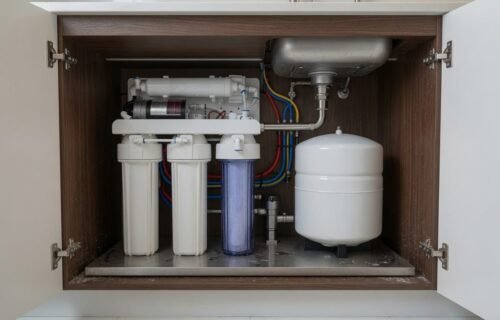
A point-of-use filtration system can be a practical option when the main concern is limited to drinking water. Depending on the situation, technologies such as activated carbon filtration or reverse osmosis may be considered.
Again, the water test should guide the decision.
If there is no specific need for an advanced purification process, installing one simply because it sounds impressive may not be worthwhile. Good treatment is about matching the method to the objective.
And remember the everyday side of the equation. Filters need changing. Storage tanks may need attention. Some systems produce wastewater. These aren’t reasons to avoid treatment, but they’re details worth understanding before installation.
Keep an Eye on Water Pressure
Water quality gets most of the attention, but pressure can tell you a lot about system performance.
A sudden reduction in flow may be caused by a clogged filter, a valve problem, plumbing restrictions, or something unrelated to the treatment equipment. Replacing an entire system before finding the actual cause can turn a small repair into a very expensive project.
Treatment systems should also be sized for expected flow. If multiple fixtures are commonly used at the same time, the equipment needs to keep up.
It’s worth discussing peak demand with an installer rather than relying only on average daily water use.
Installation Matters More Than People Think
Even excellent equipment can disappoint when it isn’t installed correctly.
Plumbing connections, flow direction, pressure requirements, drainage, electrical components, and system settings all have to be considered. There should also be enough space to access filters and service components later.
Professional installation can help avoid problems that aren’t obvious at first. It also gives homeowners a chance to learn how the system works — where the shutoff is, when filters need replacement, and what warning signs deserve attention.
That practical knowledge can be surprisingly valuable.
Maintenance Keeps Small Problems Small
A water treatment system needs some care after installation.
Filters don’t last forever. Softener components can require servicing. Reverse osmosis membranes have replacement intervals. Tanks, valves, and fittings should be inspected when appropriate.
It isn’t exciting, but routine maintenance is often cheaper than emergency repairs.
Keep a simple record of filter changes and service visits. If the water begins tasting different or pressure drops, you’ll have useful information about the system’s history.
Periodic water testing can also help determine whether conditions have changed.
Consider the Long-Term Value
Price matters, but it shouldn’t be the only deciding factor.
Look at the complete ownership cost: installation, replacement parts, filters, salt, electricity, servicing, and expected lifespan. A system with a lower purchase price may not remain inexpensive if its consumables are costly or difficult to source.
Reliability matters too. The best system is one you can maintain without turning every filter change into a major project.
The Right System Should Make Life Easier
Water treatment shouldn’t become another complicated household chore.
The smartest starting point is understanding your water. Once you know what you’re dealing with, it becomes much easier to decide whether you need filtration, softening, point-of-use purification, whole-home treatment, or some combination.
Don’t buy equipment simply because it promises to do everything. Look for a system that has a clear purpose, suits your household’s water demand, and can be maintained realistically.
Done properly, water treatment tends to fade into the background. The faucets stay cleaner. Appliances are better protected. Showers are less frustrating. Drinking water tastes better.
And that’s really the point. Good water treatment isn’t about having the most impressive setup. It’s about making everyday life work a little better, quietly and reliably, one glass and one tap at a time.