What Your Roof Needs Most: Good Materials, Careful Repairs, and Smart Timing
A roof is easy to forget when everything is working properly. You don’t think much about the shingles during a quiet summer afternoon or a normal Tuesday morning. But let one leak appear after a night of heavy rain, and suddenly every part of the roof feels important.
That’s one reason roofing decisions deserve a little more thought than simply choosing the first contractor who answers the phone. A roof protects the structure, belongings, insulation, and people inside the home. When it is properly installed and cared for, it can quietly do that job for years. When small problems are ignored, however, they can become expensive surprisingly fast.
Knowing what to watch for can help homeowners make better decisions without turning every roofing concern into a crisis.
The Roof Is More Than What You See
Many homeowners think of a roof as shingles and little else. In reality, a roofing system includes several components working together. Shingles or other exterior materials shed water, while underlayment, flashing, decking, ventilation, and drainage components provide additional protection.
That matters when something goes wrong.
A damaged shingle may be the visible problem, but the real concern could be underneath it. Likewise, a ceiling stain doesn’t necessarily mean the leak is directly above that spot. Water can travel along framing and other materials before becoming visible inside.
That’s why a proper inspection looks beyond the obvious.
Choosing Materials for Your Home
Climate, roof slope, architectural style, budget, and maintenance expectations all influence material selection. Asphalt shingles remain popular because they are practical and available in a wide range of styles. Metal roofing can offer durability and a distinctive appearance, while other materials may be appropriate for particular homes and climates.
The cheapest option isn’t always the least expensive over time. A material that requires frequent maintenance or has a shorter useful life may cost more in the long run.
For homeowners considering residential roofing, it’s worth discussing the entire roofing system rather than focusing only on the visible material. Proper ventilation, flashing, underlayment, and installation can have just as much influence on performance.
A good contractor should explain why a particular system fits the property instead of simply telling you which product is most expensive.
Know the Signs of Trouble
Some roof problems are obvious. Missing shingles, visible holes, sagging areas, or active leaks are hard to overlook.
Others are quieter.
Granules collecting in gutters, curling or cracked shingles, dark areas, damaged flashing, moss growth in unsuitable conditions, or recurring ceiling stains can all deserve attention. Inside the attic, damp insulation, water marks, or visible daylight may indicate problems that aren’t apparent from the ground.
Homeowners don’t need to become roofing experts. A basic visual check after severe weather and occasional professional inspections can go a long way.
If something doesn’t look right, it’s usually better to investigate early rather than wait for the next major storm to expose it.
Storms Can Change a Roof Quickly
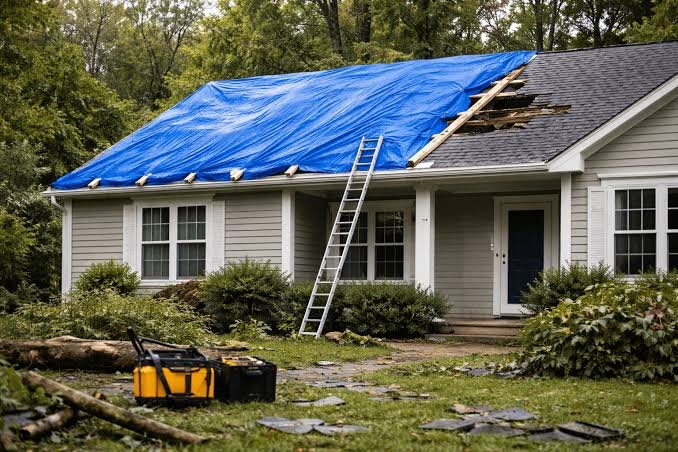
Severe weather is one of the biggest reasons a roof can suddenly need attention. Strong winds can lift or remove shingles, while hail may cause impact damage that isn’t easy to spot from the driveway. Falling branches can puncture materials or damage gutters and flashing.
After a major storm, don’t assume your roof is fine simply because there isn’t water dripping from the ceiling.
A professional inspection can identify damage that may not yet be causing an interior leak. This is especially important when high winds or hail have affected the neighborhood.
If damage is discovered, storm damage repair should address the actual extent of the problem rather than focusing only on the most visible marks. The surrounding roofing materials and related components should be checked as well.
What to Do After a Storm
Safety comes first. Avoid climbing onto a wet or visibly damaged roof. If you can safely inspect the property from the ground, look for missing materials, fallen branches, damaged gutters, or obvious openings.
Photographs of visible damage can be useful for your records. If you believe an insurance claim may be appropriate, contact your insurance provider and ask about the required documentation and process.
Temporary measures may sometimes be necessary to prevent additional water intrusion while permanent work is arranged. Those measures should be handled safely by qualified professionals when roof access is dangerous.
And don’t let anyone pressure you into signing a large contract immediately after a storm. Take a breath. Understand what has happened first.
When Repairs Are Enough
Not every damaged roof needs to be replaced.
A small number of missing shingles, isolated flashing problems, or limited damage may be repairable. Prompt repairs can help prevent moisture from reaching the decking and interior structure.
The age and overall condition of the roof are important, though. A relatively new roof with one damaged section is a different situation from an older roof that has developed leaks in several locations.
Repeated repairs can eventually become a false economy. If you’re spending money every year fixing different sections, it may be time to consider whether the underlying system has simply reached the end of its useful life.
When Replacement Becomes the Better Choice
Roof replacement is a significant investment, so it shouldn’t be recommended without a good reason. Widespread deterioration, recurring leaks, extensive storm damage, structural concerns, or an aging roofing system can all point toward replacement.
In some cases, roof replacements also provide an opportunity to correct issues that contributed to previous problems. Improved ventilation, new flashing, better drainage, and updated materials can make the new system more dependable.
The goal isn’t simply to put something new over the house. It’s to build a roofing system that works properly from the beginning.
Ask the contractor what preparation will be required and whether damaged decking or other underlying components need attention. A new roof cannot compensate for structural problems beneath it.
Don’t Forget Ventilation and Drainage
Two less glamorous parts of roofing deserve plenty of attention: ventilation and water drainage.
Poor attic ventilation can contribute to excess heat and moisture, potentially affecting roofing materials and indoor comfort. Meanwhile, clogged or poorly positioned gutters can send water toward walls and foundations instead of away from the home.
These systems are connected. A roof should shed water efficiently, and the drainage system needs to carry that water away safely.
During a roofing project, it’s smart to inspect gutters, downspouts, flashing, and ventilation rather than treating the shingles as an isolated component.
Finding a Roofing Contractor You Can Trust
The contractor you hire can make or break the project. Look for relevant experience, appropriate licensing and insurance, clear written estimates, and references or examples of completed work.
Be cautious of vague pricing or contractors who avoid answering basic questions. A professional should be able to explain what needs to be done, which materials will be used, how long the project may take, and what warranties apply.
Don’t be afraid to compare estimates, either. A second opinion can be useful, particularly when you’re being told that a full replacement is necessary.
Give Your Roof a Fair Chance to Last
A roof doesn’t necessarily need constant attention. It needs sensible attention at the right times.
Keep drainage systems clear. Watch for visible changes. Check the attic occasionally. Arrange an inspection when something seems unusual or after significant weather events. Address small problems before they have time to spread.
Most importantly, don’t make roofing decisions based entirely on fear. A leak isn’t automatically a disaster, and a storm doesn’t automatically mean the entire roof needs replacing.
The best approach is simple: understand the condition of the roofing system, address genuine problems promptly, and invest in quality work when replacement is actually justified.
A well-cared-for roof isn’t flashy. It doesn’t need to be. Its greatest success is almost invisible — keeping the weather outside, the home comfortable, and everyone inside a little more secure.