Finding the Right Dumpster and Hauling Service for Your Project
Every project creates waste. Sometimes it’s a few bags after cleaning out a spare room. Other times, it’s a mountain of broken drywall, old flooring, wood, concrete, packaging, and other debris that seems to appear overnight.
The challenge isn’t necessarily getting rid of the waste. It’s figuring out the most practical way to handle it without slowing down the project.
A suitable dumpster or hauling service can keep a property organized, reduce unnecessary trips to a disposal facility, and make cleanup feel like part of the plan instead of a problem waiting at the end. Whether you’re renovating a home, managing a construction site, or simply clearing out years of accumulated belongings, choosing the right option starts with understanding what you’re actually dealing with.
Start by Looking at the Type of Waste
Before ordering a container, consider what the project will produce.
Household cleanouts usually involve furniture, boxes, clothing, appliances, and general junk. Renovation work can produce drywall, cabinets, flooring, wood, fixtures, and packaging. Construction and demolition projects may involve heavier materials such as brick, concrete, roofing materials, or tile.
The difference matters because not every container or service is designed for every type of waste.
Weight, volume, disposal restrictions, and local requirements can all influence which option makes sense. A few minutes spent identifying the materials can save a lot of trouble later.
When Front-Load Containers Are Useful
For businesses and properties that generate waste regularly, front load dumpsters can be a convenient option. These containers are commonly designed for recurring collection and can work well for restaurants, offices, retail properties, apartment communities, and other commercial locations.
Their relatively compact footprint can make them practical where space is limited. Scheduled pickups also mean businesses don’t have to arrange a new container every time waste accumulates.
The important thing is matching the container and collection frequency to the amount of waste being produced. A busy business may quickly outgrow a setup that looked perfectly adequate at first.
Why Roll-Off Containers Work Well for Projects
Temporary projects often have different requirements from routine business waste.
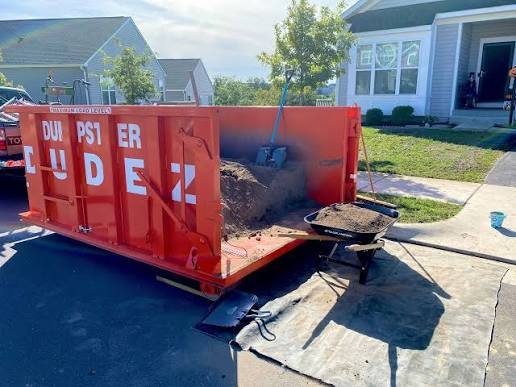
Roll off dumpster rentals are commonly used when a property is producing a larger volume of debris over a limited period. Because the container is delivered to the site and removed when the project is complete, it becomes a convenient central point for collecting materials throughout the job.
This can be especially useful during remodeling, demolition, roofing work, large cleanouts, and construction projects.
Instead of repeatedly loading a pickup truck and making disposal trips, workers can place debris directly into the container. That saves time, although proper loading and weight management are still important.
Size Should Be Based on the Project
Choosing a dumpster size isn’t simply a matter of picking the largest container available.
A small cleanout may only require a modest container, while a major renovation could generate enough debris to fill something considerably larger. If the container is too small, you might need another delivery or an additional pickup. If it is much larger than necessary, you may spend money on capacity you never use.
Try to estimate the amount of debris before ordering. Think about the materials being removed, how bulky they are, and whether larger items can be broken down.
If you’re unsure, explain the project to the provider. An experienced company can often recommend a reasonable size based on similar jobs.
Heavy Materials Need Extra Attention
Volume isn’t the whole story.
Concrete, brick, soil, and other dense materials can become extremely heavy. A container that appears only partially filled may still be close to its weight limit.
That’s why heavy construction materials should be discussed before delivery. Some providers have specific containers, weight restrictions, or disposal arrangements for these materials.
For projects involving large amounts of masonry or demolition debris, ask about the rules before loading anything. Guessing can lead to unnecessary charges or safety problems.
Concrete Removal Requires Planning
Few materials are as deceptively heavy as concrete. A pile that doesn’t look particularly large can weigh far more than expected.
For that reason, concrete haul services can be useful when a project involves significant quantities of broken slabs, sidewalks, driveways, foundations, or other concrete debris.
Instead of treating concrete like ordinary household waste, the removal process should account for weight, equipment, transportation, and proper disposal or recycling. In some cases, concrete can be processed into aggregate for future construction uses, depending on local facilities and material conditions.
The important point is to plan for it separately rather than assuming a standard dumpster will automatically be the best solution.
Placement Can Affect the Whole Job
A dumpster needs a suitable place to sit.
The delivery vehicle requires enough room to approach and position the container safely. Look for overhead branches, utility lines, narrow entrances, gates, slopes, and soft ground.
For residential projects, a driveway is often convenient, but make sure it can accommodate the equipment and that the container won’t interfere with normal access.
At commercial or construction sites, think about traffic patterns. The container should be accessible to workers without creating an unnecessary hazard for vehicles, customers, or pedestrians.
Good placement isn’t glamorous, but it makes everything easier.
Know What Materials Are Restricted
Before throwing anything into a dumpster, find out what the provider accepts.
Hazardous chemicals, paints, batteries, certain electronics, tires, and other specialized materials may require separate disposal. Rules can vary by provider and local regulations.
If you have something unusual, ask first.
It’s much easier to find the correct disposal method before the material goes into the container than after it has already been mixed with everything else.
Keep Loading Safe
A dumpster isn’t just a big box. How you load it matters.
Distribute heavier materials instead of placing all the weight in one area. Break down bulky items when practical, and keep debris below the permitted fill level.
Sharp objects, broken glass, nails, and metal fragments should be handled carefully. Protective gloves and sturdy footwear are sensible for many cleanup jobs.
Never climb inside a dumpster to rearrange material. If something doesn’t fit safely, rethink how it is being loaded rather than forcing it.
Understand the Rental Terms
Before booking, ask about the rental period, delivery, pickup, weight limits, and possible additional fees.
Projects often run longer than expected. A renovation may uncover an unexpected repair, weather can delay construction, or a property cleanout may simply take more time than planned.
Knowing the provider’s extension policy ahead of time makes those situations easier to handle.
Pricing should also be transparent. Don’t hesitate to ask what is included in the quoted price and which circumstances could lead to extra charges.
Choose Service That Fits the Job
The best waste solution isn’t necessarily the cheapest container or the largest one. It’s the option that matches the project’s actual needs.
Consider the type of debris, expected volume, weight, rental period, property layout, and disposal requirements. If the project involves heavy materials like concrete, address those needs separately rather than treating everything as general waste.
A little planning at the beginning can save hours later.
Once the debris is contained and the site starts looking like a work area again instead of a disaster zone, you’ll appreciate why choosing the right service matters. Waste may be an unavoidable part of construction, renovation, or cleanup, but managing it doesn’t have to be the difficult part.