Making Sense of Hard Water and the Problems It Leaves Behind
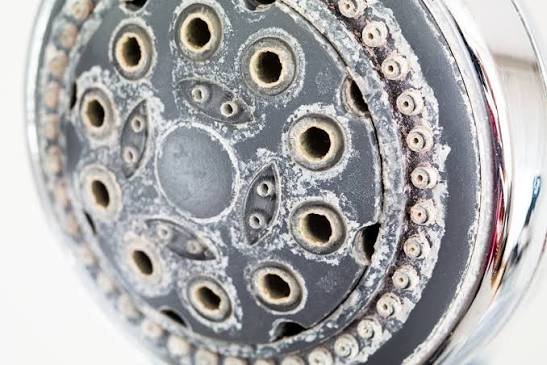
You don’t usually notice your water until it starts making itself known. A faucet develops a chalky ring. The shower glass turns cloudy. Soap seems strangely reluctant to lather, and the water heater makes a sound that wasn’t there a few years ago.
These things can be easy to brush off as normal household wear and tear. Sometimes they are. But when several of these signs appear together, hard water may be part of the story.
Hard water is common in many communities, and it isn’t automatically a health concern. The bigger issue for homeowners is often what those dissolved minerals do to plumbing, fixtures, appliances, laundry and everyday cleaning. Once you understand what’s happening, the right response becomes much less mysterious.
What Actually Makes Water Hard?
Hardness mainly comes from naturally occurring minerals, particularly calcium and magnesium. As groundwater moves through soil and rock, it can pick up these minerals before eventually reaching a well or entering a water supply.
The amount varies considerably from one location to another. That’s why a friend across town may have a completely different experience with their water.
You may notice hardness through white deposits around faucets or a dry feeling after washing. Yet appearance alone doesn’t tell you exactly how hard the water is. Testing is the more reliable way to understand the situation.
The Everyday Challenges of Hard Water
The most frustrating part of hard water is that its effects tend to accumulate slowly.
A little residue here. A few spots there. Maybe your dishes aren’t as shiny as they once were. Eventually, cleaning the bathroom starts to feel like a weekly battle against something you didn’t invite into the house.
These hard water challenges can also affect how household products perform. Soap and detergents may require more effort to rinse away, while mineral deposits can gradually collect on fixtures and water-using equipment.
None of this means your home is in immediate danger. It’s simply a case where water chemistry can create extra work.
Why Mineral Deposits Keep Coming Back
You clean the faucet. Two days later, the white ring is back.
That’s because the cleaning process removes the existing deposit, not the minerals responsible for creating it. When hard water droplets evaporate, calcium and magnesium can remain behind on the surface.
Over time, repeated exposure can result in scale buildup inside plumbing components and appliances as well as on visible fixtures. Heating elements and water heaters can be especially vulnerable because heat can encourage mineral deposits to form.
The more frequently water is heated or allowed to evaporate, the more opportunities there are for minerals to settle.
What Hard Water Does to Appliances
Water-using appliances don’t get a free pass.
Coffee makers, dishwashers, washing machines and water heaters can all experience mineral accumulation. In a coffee maker, you may notice slower operation or unusual residue. In a water heater, sediment and scale can collect around internal components and heating surfaces.
That doesn’t mean hard water will automatically destroy an appliance. Appliance design, water hardness, maintenance and usage patterns all make a difference.
Still, reducing excessive mineral exposure can be a sensible part of long-term home maintenance, particularly if you’re already seeing obvious deposits.
Where Water Softeners Come In
For homeowners dealing with significant hardness, treatment may be worth considering.
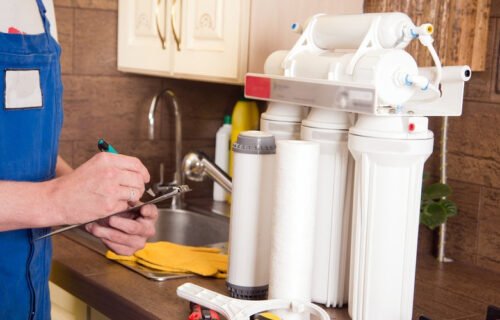
Traditional water softeners typically use an ion-exchange process to reduce calcium and magnesium in the water. The softened water then moves through the home’s plumbing, which can help reduce the minerals responsible for many familiar hard-water deposits.
But buying a softener shouldn’t be treated like buying a standard appliance. Capacity, household size, water consumption and hardness levels all matter when selecting equipment.
An undersized system may struggle to keep up, while an unnecessarily large system could cost more than needed. Proper sizing is one of those boring details that turns out to be pretty important.
Softening Isn’t the Same as Filtration
This distinction often gets lost in conversations about water treatment.
A softener is designed primarily around hardness minerals. A filtration system may target sediment, chlorine, taste, odor or specific contaminants, depending on its filter media and design.
So if your water has an unusual smell, for example, installing a softener simply because you have hard water may not solve the smell. Likewise, a basic filter isn’t necessarily a substitute for a softening system when hardness is the main concern.
Sometimes homes need one technology. Sometimes they benefit from a combination. The water itself should determine that decision.
Testing Can Save You Money
A water test isn’t particularly exciting. Nobody hangs a framed water-analysis report in the living room.
But it can prevent a surprisingly expensive mistake.
Instead of guessing what is causing the problem, testing provides useful information about hardness and other characteristics of the water. For private well owners, testing is especially valuable because groundwater conditions can change.
Testing also helps a homeowner communicate with a treatment professional. Instead of saying, “My water seems weird,” you can discuss specific measurements and concerns.
That’s a much better starting point.
Maintenance Still Matters After Installation
Installing treatment equipment doesn’t mean the job is finished.
Softening systems may need salt, regeneration settings may require adjustment, and mechanical components can benefit from periodic inspection. Filters have replacement schedules, too.
Skipping maintenance can reduce performance and create new problems. A system that was carefully selected and installed can still underperform if filters aren’t changed or equipment isn’t serviced when needed.
Before choosing any treatment system, find out what ongoing maintenance actually looks like. If the routine feels unrealistic for your household, that’s useful information.
Don’t Chase Perfect Water
There’s a tendency to think that treated water should be completely stripped of everything. That’s not always necessary, and more treatment isn’t automatically better.
The goal is to address specific concerns while keeping the system practical.
If hardness is the main issue, focus on hardness. If taste or odor is the concern, investigate those characteristics. If you’re worried about a particular contaminant, test for it rather than assuming a generic filter will handle everything.
In other words, treat the problem—not the marketing brochure.
A Simpler Way to Think About Hard Water
Hard water is rarely a dramatic overnight problem. It’s more like an ongoing roommate who leaves mineral stains everywhere and never offers to clean up.
You notice the clues: spots on fixtures, soap that behaves differently, appliance deposits, or recurring residue. Those clues are worth paying attention to, especially when they keep appearing despite regular cleaning.
The sensible approach is straightforward. Test the water, understand the results, consider how your household uses water, and then choose treatment that fits those needs.
The right solution won’t necessarily be the biggest or most expensive system available. It should simply do its job reliably.
And that’s really what good water treatment is about. Less scrubbing. Fewer deposits. Better-maintained equipment. A home where the water quietly does what it’s supposed to do without becoming another chore on your list.