Clear Water, Better Living: Choosing the Right Water Filtration Approach for Your Home
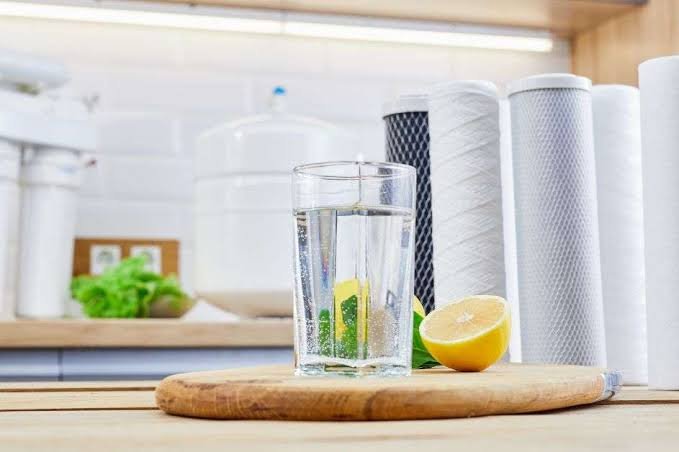
There’s something easy to take for granted about turning on a kitchen tap and filling a glass with clean, pleasant-tasting water. We expect it to look clear, smell fine and taste normal. But water quality can change along the way, even when the water coming into a home meets local standards. Aging pipes, mineral content, sediment, chlorine and other naturally occurring substances can all affect what comes out of the faucet.
That’s why more homeowners are paying attention to what’s actually in their household water. The goal isn’t necessarily to buy the most expensive equipment on the market. It’s to understand the water you have and choose a practical solution that matches your needs.
Start by Understanding Your Water
Before choosing any filtration equipment, it helps to know what you’re trying to remove. It sounds obvious, but this step often gets skipped.
Some homes deal mainly with unpleasant taste or odor. Others may have hard water, visible sediment, staining around fixtures or concerns about particular contaminants. Private well owners, especially, may need more regular testing because their water quality can be influenced by groundwater conditions, agricultural activity and changes in the surrounding environment.
A basic water test can provide useful clues. Instead of guessing based on a neighbor’s setup or an advertisement promising “pure water,” homeowners can make decisions based on actual results.
This matters because different filtration technologies are designed for different jobs. A sediment filter, for instance, isn’t intended to solve every water-quality issue. Likewise, a softener is primarily designed to address hardness rather than act as a universal purifier.
How Modern Filtration Systems Work
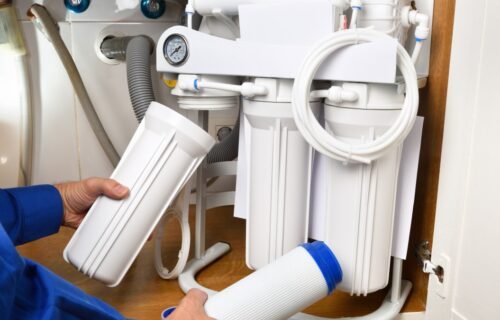
There isn’t one perfect filter for every household. water filtration systems can range from relatively simple point-of-use filters under a kitchen sink to whole-house equipment designed to treat water as it enters the property.
Activated carbon is commonly used to improve taste and odor and reduce certain substances. Sediment filtration can capture particles such as sand, rust and other suspended material. Reverse osmosis systems use a membrane to reduce a much broader range of dissolved substances, making them popular for drinking-water applications.
Whole-house systems take a different approach. Rather than treating only the water used for drinking, they can address water throughout the home. That may be useful when the concern affects showers, laundry, appliances and plumbing as well as the kitchen tap.
The right setup depends on the source and quality of the water, household size, plumbing configuration and what the homeowner actually wants to accomplish. Sometimes a straightforward filter is enough. Sometimes a combination of technologies makes more sense.
Don’t Confuse Filtration With Water Softening
This is one of those distinctions that can save homeowners money and frustration.
Hard water contains minerals, primarily calcium and magnesium. While hard water isn’t necessarily a health concern, it can create practical headaches. You might notice scale on faucets, cloudy spots on glassware, reduced efficiency in water-using appliances or soap that doesn’t lather as easily.
A water softener is designed specifically to address hardness. Filtration, meanwhile, targets different water-quality concerns depending on the filter technology.
In other words, installing a filter when the real problem is hardness may not solve the issue. And installing a softener when the main concern is taste or a particular contaminant won’t necessarily give you the result you’re looking for.
Local Water Conditions Can Make a Difference
Water quality isn’t identical from one community to another. Even within the same broad region, conditions can vary between municipal supplies and private wells.
Homeowners in middle tennessee may encounter a mixture of water-quality considerations depending on where they live and whether their property uses public water or a private well. Local geology, water sources and plumbing infrastructure all play a role. That’s why a solution that works beautifully for one household may be unnecessary—or incomplete—for another.
There’s also the simple matter of taste. Some people notice chlorine or mineral flavors immediately, while others barely detect them. Personal preference matters when choosing equipment, but it shouldn’t replace proper testing when there are genuine concerns about water quality.
Maintenance Is Part of the Deal
A water treatment system isn’t something you install and forget about forever.
Filters need to be replaced. Storage tanks, membranes and other components may require periodic attention. A neglected system can perform poorly, and in some cases, an old filter can become less effective simply because it has reached the end of its useful life.
Before purchasing equipment, ask what routine maintenance involves. How often are filters replaced? Are replacement parts readily available? Does the system require professional servicing? What happens if a component fails?
These aren’t glamorous questions, admittedly, but they matter. A modest system that’s maintained properly can be more useful than a sophisticated setup that becomes a headache six months after installation.
Think About the Whole Household
Water is used for much more than drinking.
You bathe in it, cook with it, wash clothes in it and run appliances with it. If the problem is limited to drinking water, a point-of-use system may be perfectly reasonable. If you’re dealing with widespread sediment, staining or other issues, whole-home treatment could be worth considering.
Good water treatment solutions should be selected around the household rather than the other way around. Think about daily water consumption, the number of people in the home, plumbing needs and future plans. A system that’s barely adequate today might feel restrictive if your family grows or your water use changes.
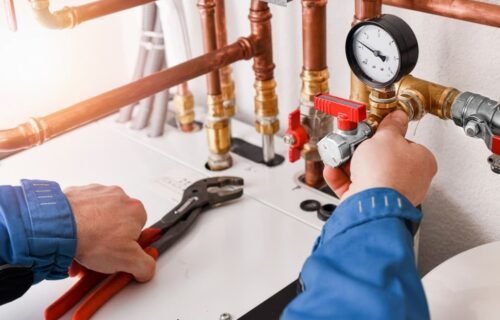
It’s also worth considering installation space. Some equipment needs a dedicated area near the main water line, while other options fit neatly beneath a sink. Small practical details can influence which solution makes sense.
Be Careful With Big Promises
Water-quality marketing can get a little dramatic. Words like “pure,” “perfect” and “completely clean” sound reassuring, but they don’t tell you much about what a product actually removes.
Look for specific information about performance, certifications, testing and replacement requirements. If a company recommends a particular system after testing your water, ask them to explain why that technology fits the results.
A trustworthy professional shouldn’t need to frighten you into buying equipment. They should be able to explain the problem in plain language and tell you what the system can—and cannot—do.
A Smarter Way to Improve Water Quality
Clean, good-tasting water doesn’t necessarily require the biggest system, the highest price tag or the latest technology. It starts with understanding the water in your home.
Test when appropriate, identify the actual concern, compare treatment methods and consider long-term maintenance before making a decision. If you’re unsure, getting advice from a qualified water-treatment professional can help you avoid buying equipment that doesn’t address the underlying issue.
At the end of the day, good water treatment is less about chasing perfection and more about getting the right solution for your household. When the system matches the water, the home and the people living in it, the result is refreshingly simple: water you can feel comfortable using every day.