A Practical Look at Choosing the Right Water Treatment for Your Home
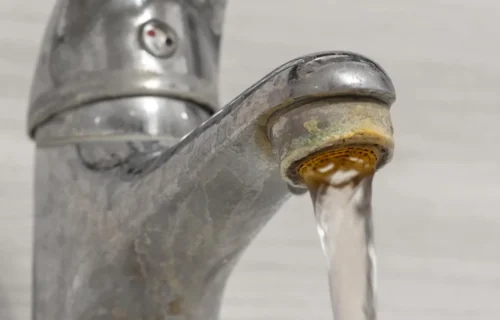
Water is something we use constantly, yet most of us don’t really think about it until it starts acting differently. A cloudy glass, white residue around the faucet, an unpleasant smell, or a showerhead covered in mineral deposits can quickly turn an invisible household issue into a very visible one.
The tricky part is figuring out what those signs actually mean. Not every water problem requires the same solution, and buying a system simply because it has great reviews isn’t always the smartest move. Your home’s water source, mineral content, usage, plumbing, and even the number of people in the household can influence what treatment makes sense.
A little investigation at the beginning can save a lot of frustration later. Good water treatment is less about buying the biggest system and more about finding the right fit.
Start by Understanding the Water
Before looking at equipment, take a moment to consider what you’re noticing.
Are there stubborn white spots on dishes? Does soap seem difficult to rinse away? Is there an unusual taste or odor? Are filters clogging faster than expected? These clues can help point toward possible water concerns, but they aren’t enough to diagnose the problem on their own.
Testing can provide a clearer picture. Water may contain minerals or other substances that aren’t visible to the naked eye. Once you know what’s present, it becomes much easier to decide whether you need softening, filtration, or a more specialized treatment.
This is where reputable water treatment services can be helpful. A knowledgeable professional can evaluate the water, discuss the household’s concerns, and explain realistic treatment options instead of simply recommending whatever equipment happens to be available.
Hard Water Is a Common Household Frustration
Hard water isn’t usually dramatic. It tends to make itself known slowly.
You might see scale around faucets or shower fixtures. Glassware can develop cloudy marks. The bathroom may seem to require more scrubbing, even though your cleaning routine hasn’t changed. Some people also notice that their skin or hair feels different after bathing.
The main culprits are usually calcium and magnesium. These naturally occurring minerals can accumulate on surfaces and inside water-using appliances.
Over time, mineral buildup can become more than a cosmetic nuisance. Appliances such as water heaters, dishwashers, and coffee makers may be affected by scale, particularly when they regularly operate with hard water.
That’s one reason homeowners often consider softening as part of a broader water-treatment strategy.
What Water Softener Systems Actually Do
A water softener isn’t a filter in the traditional sense. Its main purpose is to reduce hardness minerals.
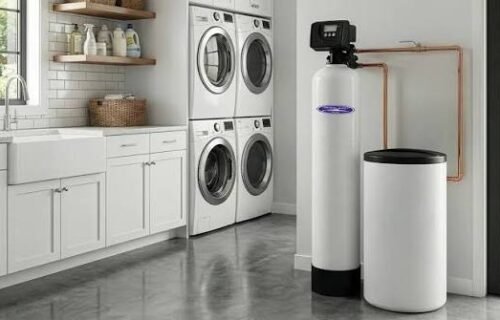
Most conventional softeners use ion exchange. As hard water passes through the treatment media, calcium and magnesium ions are exchanged for sodium or potassium ions. The treated water then continues through the household plumbing.
Well-designed water softener systems can help reduce scale throughout the home. That may mean fewer mineral deposits on fixtures, easier cleaning, and less buildup inside appliances.
However, it’s important to remember what a softener doesn’t necessarily do. It isn’t automatically designed to remove every contaminant, improve every taste or odor issue, or provide all the treatment needed for drinking water.
Knowing that distinction prevents unrealistic expectations.
Filtration Can Address Different Concerns
Filtration is a broad category. Different filters are made for different purposes.
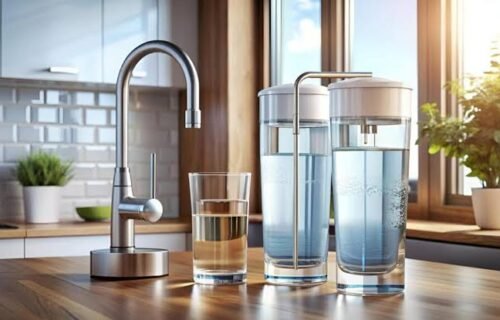
Some filtration technologies are intended to reduce sediment. Others focus on chlorine, taste, odor, or particular contaminants. More specialized systems may be used when testing identifies a specific water-quality concern.
This means homeowners should look beyond the word “filter” on a product label. Ask what the system is actually designed to reduce and whether its performance has been independently tested or certified for that purpose.
A filter that works beautifully for one concern may do very little for another.
It sounds obvious, but it’s an easy detail to miss when shopping.
Whole-Home Treatment Versus Point-of-Use Options
Not every treatment goal requires treating every gallon of water entering the house.
A whole-home approach can make sense when the concern affects showers, laundry, appliances, and multiple fixtures. If the main goal is improving water used for drinking and cooking, a point-of-use system in the kitchen may be enough.
Whole-home water filtration can provide treated water at multiple outlets, depending on the system and filter technology. This can be convenient for households that want consistent treatment throughout the property.
On the other hand, a drinking-water system can offer targeted treatment without requiring the entire home’s water supply to go through the same filtration process.
The right choice depends on what you’re trying to accomplish.
Household Size Matters More Than You Might Think
Water demand isn’t the same in every home.
A family of five may run several showers, a washing machine, and a dishwasher in a relatively short period. A single homeowner may use considerably less water. Guests, home renovations, and lifestyle changes can also affect consumption.
When selecting equipment, consider flow rate and capacity as well as the basic treatment technology.
An undersized system may struggle during periods of high demand. An oversized system can cost more without necessarily providing better results.
A professional assessment can help match equipment capacity to actual household needs.
Installation Should Be Part of the Conversation
Once you’ve chosen a system, installation deserves attention too.
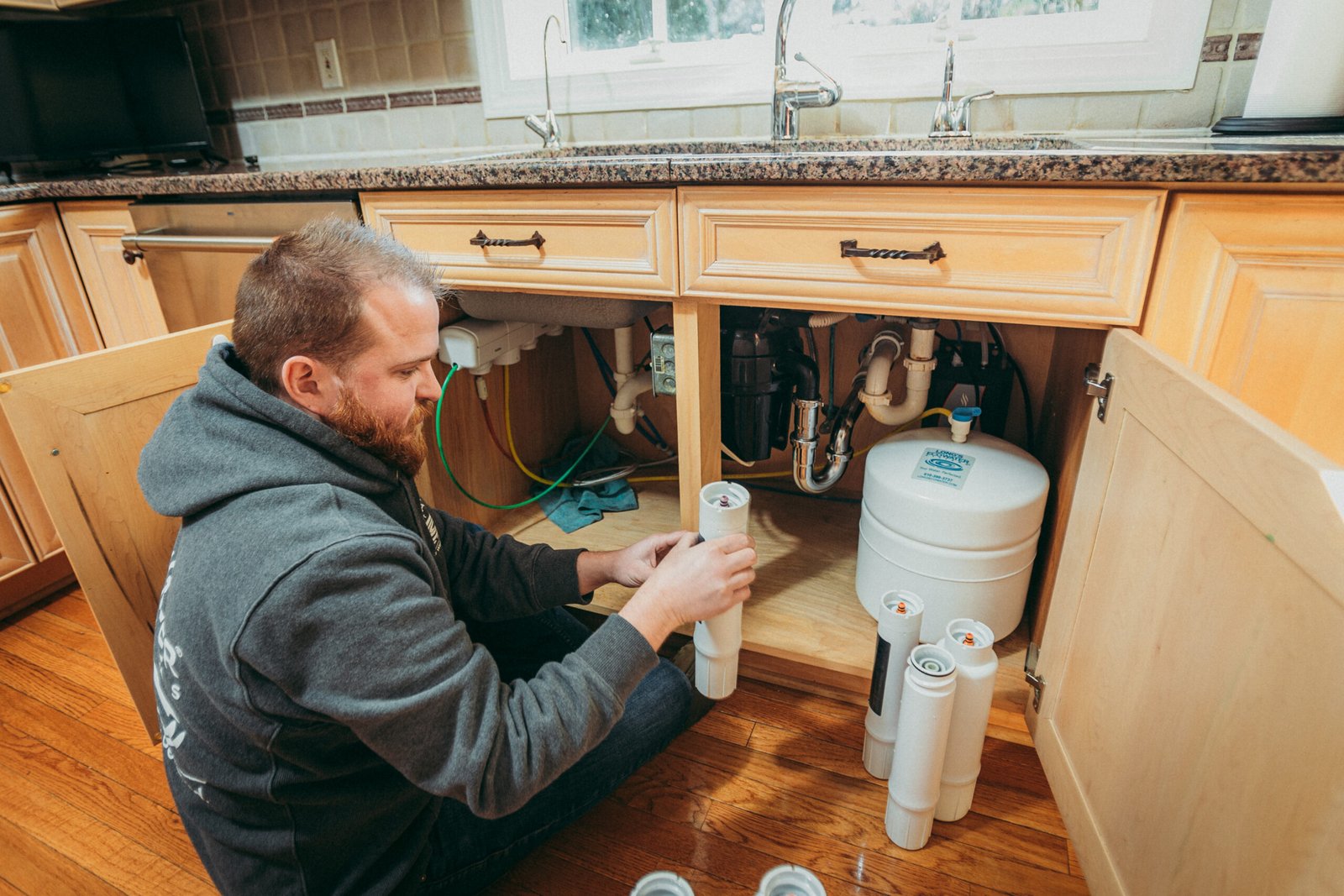
Treatment equipment needs appropriate plumbing connections, sufficient drainage, correct pressure, and accessible placement. Salt-based softeners also need convenient access for replenishing salt.
Poor placement can create headaches later. A filter hidden behind other equipment may technically work, but changing it every few months could become unnecessarily difficult.
Professional installation also gives homeowners an opportunity to make sure settings are properly configured. Equipment should be adjusted according to the home’s water conditions and expected usage, not simply left at generic factory settings.
Maintenance Keeps the Investment Useful
Even excellent equipment needs regular care.
Filters eventually become saturated. Softener salt needs replenishment. Components can require inspection, and some systems need cleaning or sanitization. These aren’t signs that the equipment is poorly designed; they’re normal parts of ownership.
Skipping maintenance, however, can cause performance to decline.
If water pressure drops, taste changes, or scale starts appearing again, check the system before assuming it’s time for a replacement. A clogged cartridge or incorrect setting may be the real culprit.
Keeping records of filter changes and service visits makes routine maintenance much easier.
Consider Long-Term Costs
The purchase price is only one part of the financial picture.
Look at replacement filters, salt consumption, service requirements, energy use, installation, and warranty coverage. A system that costs slightly more initially may prove easier to maintain over several years.
It’s also worth asking about replacement parts before committing. If a specialized cartridge is difficult to obtain, a low initial price won’t feel quite as attractive later.
Good equipment should fit not only your home but also your willingness to maintain it.
Don’t Let Marketing Make the Decision
Water treatment products often come with impressive claims. Some sound almost too good to be true.
That’s a good reason to slow down.
Ask for specific information. What does the system remove or reduce? Under what conditions? How often does it need service? What does installation include? What happens when something fails?
Clear answers are much more useful than vague promises.
You don’t need to understand every technical detail, either. A good professional should be able to explain the important points in plain language.
A Smarter Way to Improve Household Water
The best water treatment decision usually starts with curiosity rather than urgency.
Notice the signs around your home. Test the water when appropriate. Understand whether you’re dealing with hardness, sediment, taste, odor, or another concern. Then choose a system that directly addresses that issue.
Water softeners, filtration systems, and drinking-water solutions all have useful roles, but they aren’t interchangeable. The right combination depends on the property and the treatment goal.
In the end, good water treatment should make life easier, not more complicated. When equipment is properly selected, installed, and maintained, you may stop noticing the problems that once bothered you.
And that’s probably the best outcome of all. The water works. The fixtures stay cleaner. Appliances get the treatment they need. You turn on the faucet and simply get on with your day.