Choosing the Right Water Treatment Approach for Taste, Hardness, and Everyday Comfort
Water is easy to take for granted. We turn on a tap, fill a glass, start the washing machine, or step into the shower without giving much thought to what is flowing through the pipes. But when water starts leaving white marks, tasting unusual, or creating problems around the house, its quality suddenly becomes a much bigger part of daily life.
The tricky thing is that water problems are rarely identical from one property to another. A home supplied by a private well may have different concerns from a city-connected house. Even neighbors can notice different issues because of plumbing, water usage, or changes in local supply conditions. Finding the right solution begins with understanding the problem rather than buying the first product that promises cleaner water.
Start by Understanding What Is in Your Water
Water can contain naturally occurring minerals, treatment chemicals, sediment, and other substances picked up along its journey. Some are harmless at ordinary levels but affect taste, smell, or household maintenance. Others may require more specific testing and treatment.
A useful first step is to identify the water source. Is it municipal water, well water, or a combination involving storage tanks or additional plumbing equipment? This information can help determine what kinds of testing may be relevant.
Homeowners should also pay attention to changes. A sudden metallic taste, unusual odor, cloudy appearance, or new staining pattern may be worth investigating. These signs don’t automatically indicate a dangerous condition, but they can point toward a water-quality issue that deserves attention.
Why Water Testing Comes Before Equipment
It’s tempting to assume that every water problem can be solved with a general-purpose filter. In reality, different systems are designed for different jobs. A softener addresses hardness, while a carbon filter may target certain taste and odor concerns. A sediment filter handles particles, and reverse osmosis is used for more targeted reduction of dissolved substances.
This is why water treatment solutions should ideally be selected after the water has been evaluated. Testing can help identify hardness, pH, iron, manganese, chlorine, sediment, and other parameters, depending on the test performed.
Basic home test kits may be useful for an initial indication, but laboratory testing can be more appropriate when homeowners are concerned about specific contaminants or private-well safety. A qualified water professional can help determine which tests make sense and explain what the results actually mean.
Testing is not about making water sound more complicated than it is. It’s about avoiding a mismatch between the problem and the equipment.
Understanding Hard Water at Home
One of the most common household concerns is hard water, which contains higher levels of minerals such as calcium and magnesium. These minerals are naturally occurring and are not generally considered a health concern at typical levels, but they can be frustrating in everyday use.
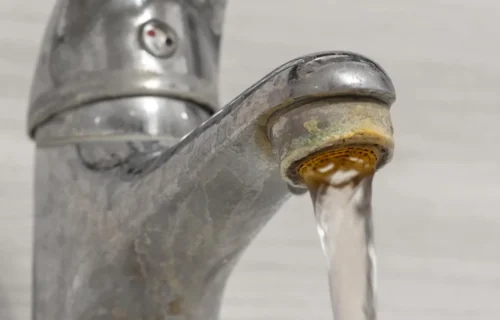
Hard water may leave scale on faucets, showerheads, and glassware. Soap can become less effective, and a film may appear on sinks or tubs. Over time, mineral buildup can also affect water-using appliances, particularly where hot water is involved.
The severity of the problem varies. Some households notice only a few spots on dishes, while others deal with persistent buildup throughout the plumbing system. Water hardness testing can help determine whether treatment is necessary and how much capacity a system may need.
How Water Softeners Address Mineral Buildup
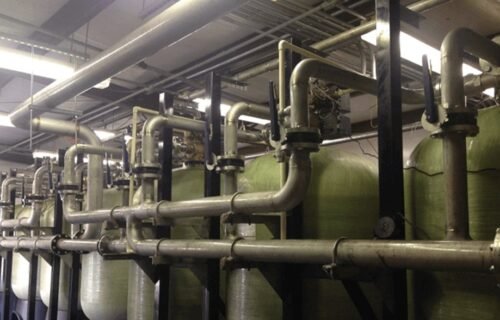
Water softeners are commonly used to reduce calcium and magnesium through ion exchange. In a typical system, resin beads attract hardness minerals, and the resin is periodically regenerated using a salt-based process.
A properly sized softener may help reduce scale formation, improve soap performance, and make cleaning fixtures less frustrating. It can also support the operation of certain water-using appliances by limiting mineral accumulation.
However, a softener is not a universal water purifier. It is designed primarily for hardness, not for removing every possible contaminant. Homeowners should understand the system’s purpose and maintenance needs before installation.
Factors such as household size, water hardness, daily consumption, and regeneration settings all affect performance. Choosing equipment based only on tank size or marketing claims can lead to an unsuitable setup.
Addressing Chlorine, Chemical Taste, and Odor
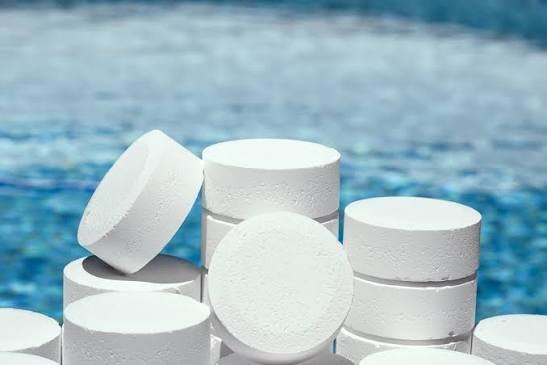
Municipal water systems often use disinfectants to help control harmful microorganisms. While these treatments serve an important purpose, some people notice a swimming-pool-like smell or a distinct taste in their tap water.
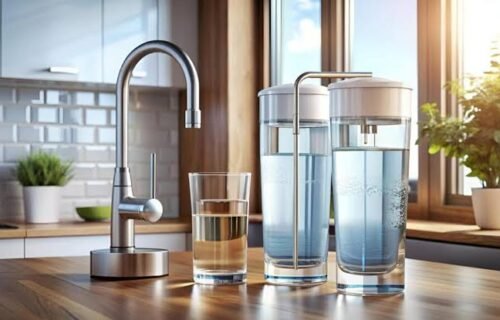
Concerns about chlorine / chemical taste & odor are often addressed with activated carbon filtration. Carbon media can reduce chlorine and certain compounds that affect taste and smell, depending on the filter’s design, contact time, and condition.
The right system depends on the actual water chemistry. A basic carbon filter may be sufficient for a mild taste concern, while more complex situations may require additional treatment. Filter capacity and replacement timing are important because carbon becomes less effective as it becomes exhausted.
It’s also worth remembering that taste and odor alone cannot identify every contaminant. If the concern involves a specific chemical or health-related issue, proper testing and a system certified for that reduction claim may be necessary.
Whole-Home Filtration or Point-of-Use Treatment?
The best installation location depends on what the homeowner wants to improve. Whole-home filtration treats water as it enters the property, potentially providing filtered water for showers, laundry, cleaning, and other uses.
Point-of-use systems, such as under-sink filters, focus on a particular faucet. These can be useful when the primary goal is improving water used for drinking and cooking.
Neither approach is automatically better. Whole-home systems may require more space, installation work, and ongoing maintenance. Point-of-use systems may be more affordable and targeted, but they do not address water throughout the property.
A sensible decision considers water test results, household priorities, plumbing layout, budget, and long-term maintenance.
Maintenance Makes the Difference
Even the right system can perform poorly when it is neglected. Filters need replacement, softeners require appropriate salt or servicing, and connections should be checked for leaks or wear.
Homeowners should keep track of installation dates and follow the manufacturer’s recommended maintenance schedule. Waiting until water flow drops dramatically or the taste changes may mean the equipment has already been operating below its intended performance.
Professional servicing can be helpful for systems that involve multiple treatment stages, pressure controls, or specialized components. A service provider should explain what needs attention and why, rather than recommending replacements without a clear reason.
Making a Practical Choice for Your Home
Better water quality doesn’t necessarily require the most expensive or advanced equipment. It requires a solution that matches the actual concern.
Start with testing when appropriate. Understand whether the issue involves hardness, taste, odor, sediment, or a specific contaminant. Then compare systems based on performance, maintenance, installation requirements, and long-term cost.
Water is part of nearly every household routine, and small improvements can make a surprising difference. Cleaner-tasting drinking water, fewer mineral deposits, and dependable equipment can make daily life easier without adding unnecessary complexity.
The smartest approach is a measured one: understand the water, choose the right treatment, and maintain it properly. That way, water quality becomes something you manage confidently rather than something you worry about every time you turn on the tap.