Making Water Service Easier: From Everyday Drinking Water to Routine Home Care
Water is one of those household essentials that becomes invisible when everything is working properly. You turn on the tap, fill a glass, take a shower, or start the dishwasher, and that’s about it. But when you suddenly run out of drinking water, notice hard-water buildup, or realize the treatment equipment needs attention, water becomes a surprisingly big part of the day.
The good news is that managing water quality doesn’t have to be complicated. A little planning can make a noticeable difference, whether you’re arranging drinking water for your home, keeping a softener supplied, or simply trying to understand what’s coming through your pipes.
Convenience Matters More Than We Admit
Modern households are busy. Between work, school, errands, appointments, and everything else that seems to appear on the calendar, remembering routine supplies can easily slip down the list.
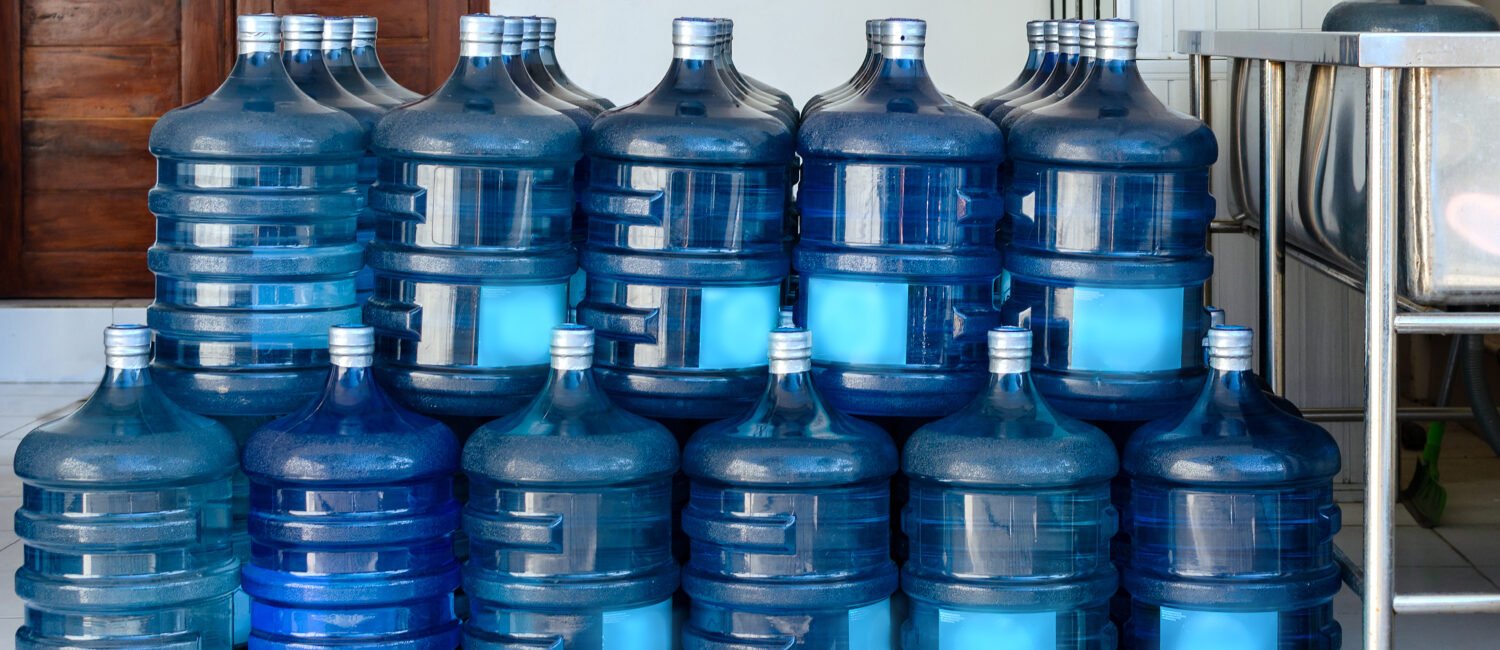
For some families, bottled water delivery provides a convenient option when they prefer packaged drinking water or need a dependable supply without repeatedly making trips to the store. It can be especially useful for offices, larger households, events, or situations where carrying heavy containers isn’t particularly appealing.
Still, convenience shouldn’t be confused with water treatment. Bottled water and treated household water serve different purposes, and the best choice depends on what you’re trying to accomplish.
Understand What Your Home’s Water Actually Needs
Before buying equipment or signing up for a service, it’s worth understanding your water source.
Municipal water and private well water can have very different characteristics. Even within the same area, water quality may vary because of local plumbing, well conditions, seasonal changes, or other factors.
Taste and smell can offer clues, but they don’t tell the whole story. Hardness, pH, dissolved minerals, and other characteristics aren’t always obvious from looking at a glass of water.
That’s why free testing can be a useful starting point when it’s offered by a qualified local provider. Basic testing may identify common concerns and help point you toward the type of treatment that makes sense. More detailed laboratory analysis may be appropriate when there are specific safety concerns or unusual changes in water quality.
Hard Water Has a Habit of Showing Up Everywhere
Hard water can be a frustrating household companion.
You may notice white deposits around the kitchen faucet or showerhead. Soap might not lather as easily. Dishes can come out with spots, and freshly washed clothes may feel less soft than expected.
The underlying issue is generally calcium and magnesium dissolved in the water. These minerals aren’t automatically a health concern, but they can create scale and interfere with cleaning.
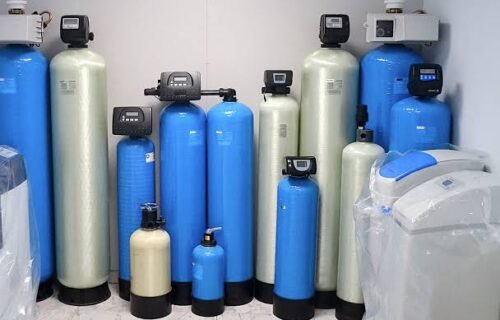
The key is to know the hardness level before choosing treatment. A water softener can be useful for homes with significant hardness, but system sizing and settings should be based on actual household water use and water chemistry.
Don’t Forget the Salt
If your home uses a traditional salt-based softener, salt isn’t an optional accessory. It’s part of how the system regenerates and continues operating.
Running out can mean the system eventually stops providing the expected softening performance. That’s why water softener salt delivery can be helpful for households that don’t want to keep lifting and transporting heavy bags themselves.
Delivery services may also make it easier to maintain a regular schedule. Instead of discovering an empty brine tank when you’re already dealing with scale, you can plan ahead.
Of course, not every softening system uses salt, so homeowners should understand what type of equipment they have before arranging supplies.
Maintenance Should Be Boring — That’s the Point
Good water equipment isn’t supposed to demand your attention every day.
Routine maintenance, however, keeps things that way.
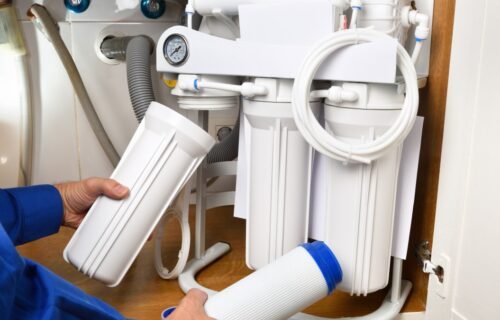
Filters eventually need replacing. Softener components may require inspection. Brine systems should be checked periodically. Drinking-water equipment can have its own filter and membrane replacement schedules.
It’s easy to postpone these jobs because nothing seems wrong right now. That’s usually how small maintenance tasks become bigger ones.
A simple reminder on your phone or calendar can help. Record when filters were changed, when the system was serviced, and when salt was delivered. It takes only a minute and gives you a useful reference later.
Taste and Odor Are Worth Investigating
Not every water complaint is related to hardness.
A chlorine taste may come from disinfectants used in municipal water treatment. A metallic taste can have several possible causes. Unusual odors can sometimes be associated with naturally occurring substances, plumbing conditions, or private-well issues.
If the change is sudden or significant, don’t assume it’s something you’ll just get used to.
Start by checking whether the issue occurs with both hot and cold water. Ask whether neighbors have noticed the same thing if you’re on a municipal supply. If you’re using a private well, consider whether there have been recent environmental or maintenance changes.
The answer may be surprisingly simple, but it’s better to investigate than guess.
Drinking Water and Whole-House Treatment Are Different
Another common misunderstanding is thinking one treatment system should handle every water concern.
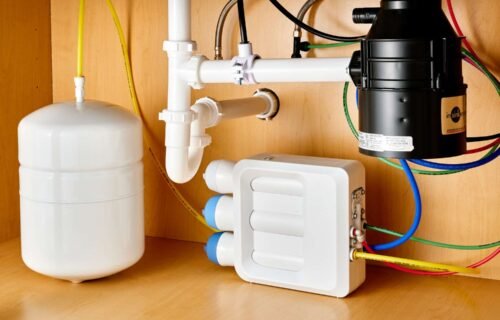
A point-of-use drinking-water system can be designed around the water used for drinking and cooking. Whole-house treatment, on the other hand, addresses water as it enters the home and can be useful when issues affect multiple fixtures.
For example, if scale is appearing throughout the bathrooms, laundry room, and water heater, a kitchen filter alone won’t solve the underlying hardness problem.
Likewise, if your main concern is the taste of drinking water, you may not need an elaborate whole-house setup.
The smartest approach is usually the simplest one that solves the actual problem.
Service Can Be More Valuable Than the Equipment
A water treatment system is only one part of the equation. The support behind it matters, too.
When something stops working correctly, homeowners need someone who can identify the cause instead of simply replacing parts. Good service should include troubleshooting, maintenance guidance, and clear explanations of what needs attention.
This is particularly important with systems that have several components. A pressure issue, clogged filter, incorrect setting, or exhausted treatment media can all produce similar symptoms, even though the solutions are completely different.
Having reliable support can turn a frustrating Saturday afternoon into a fairly routine service call.
Plan for the Long Term
The best water-management routine isn’t about constantly thinking about water. It’s about putting a few dependable habits in place.
Test the water when appropriate. Keep track of maintenance. Replace filters according to their service intervals. Monitor salt supplies if your softener requires them. Pay attention to sudden changes in taste, odor, pressure, or appearance.
And don’t be afraid to ask questions before purchasing equipment. A trustworthy provider should be able to explain what a system does, what it doesn’t do, how much maintenance it requires, and what ongoing costs you should expect.
Simple Water Care Can Make Home Life Easier
Water management isn’t glamorous. Nobody gets excited about checking a brine tank or remembering a filter replacement date. Yet these small tasks can prevent bigger frustrations.
Whether you’re arranging drinking water, addressing hard water, or keeping treatment equipment running smoothly, the goal is ultimately the same: dependable water without unnecessary hassle.
You don’t need to overcomplicate it. Understand your water, identify the problem, choose the appropriate service or treatment, and stay on top of basic maintenance.
Once those pieces are in place, water can return to doing what it should do quietly in the background — supporting everyday life without constantly asking for your attention.