Building a More Reliable Water System with the Right Filtration and Accessories
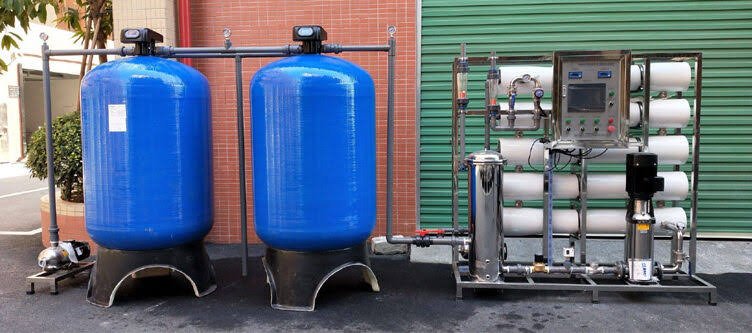
Water plays a role in almost every part of modern life. We drink it, cook with it, clean with it, and rely on it to keep homes, businesses, pools, gardens, and industrial spaces running smoothly. Yet, water quality and delivery are often taken for granted until something goes wrong. A clogged filter, inconsistent chemical balance, or leaking faucet can quickly turn an ordinary day into an expensive repair problem.
The good news is that many water-related issues can be reduced with the right equipment and a little planning. From filtration units to chemical management tools and everyday plumbing accessories, each component has a practical purpose. Choosing products based on water quality, usage, maintenance needs, and system compatibility can make a noticeable difference over time.
Understanding the Role of Water Filtration
Water filtration is one of the most important steps in maintaining a clean and dependable water supply. Even water that looks clear may contain sediment, rust particles, organic matter, or other impurities that affect taste, appearance, and equipment performance. The right filtration method depends on the source of the water and the purpose for which it will be used.
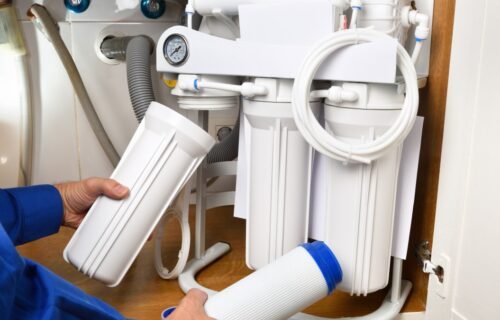
For many residential and commercial systems, cartridge filtration offers a straightforward way to capture unwanted particles. These filters are available in different materials, sizes, and micron ratings, allowing users to select an option suited to their needs. A sediment cartridge, for example, may help remove sand and dirt, while specialized cartridges can be designed for finer filtration or specific contaminants.
Cartridge filters are popular because they are relatively simple to install and replace. However, they still require attention. A filter that becomes overloaded can restrict water flow and place unnecessary pressure on pumps or other equipment. Checking the filter regularly and replacing it according to actual usage is often more effective than waiting until the water pressure drops dramatically.
Matching Filtration to the Water Source
Not every water system needs the same level of filtration. A private well may require different treatment than municipal water, while pool water has its own circulation and sanitation demands. Before purchasing equipment, it helps to understand what is actually present in the water.
A basic water test can reveal issues such as hardness, high iron content, unusual pH levels, or microbial concerns. Without this information, it is easy to buy equipment that solves the wrong problem. For example, a sediment filter may improve clarity but do little to address dissolved minerals. Similarly, a carbon filter may help with taste and odor but may not be designed to remove every contaminant.
The goal should not be to install the most complicated system available. It should be to create a treatment setup that addresses the specific water conditions without adding unnecessary cost or maintenance.
Managing Water Chemistry Safely
Filtration is only one part of water treatment. In pools, spas, cooling systems, agricultural operations, and some industrial applications, chemical balance is equally important. Poorly managed water chemistry can lead to unpleasant odors, equipment corrosion, scale buildup, algae growth, or unsafe conditions.
This is where chemical feed systems become useful. These systems are designed to introduce measured amounts of treatment chemicals into a water stream. Depending on the application, they may be used to manage disinfectants, pH adjustment chemicals, corrosion inhibitors, or other treatment products.
One major advantage of a chemical feed system is consistency. Manual dosing can lead to uneven results, especially in larger systems or environments where water conditions change throughout the day. A properly selected feeder or dosing pump can deliver chemicals at a controlled rate, helping maintain more stable conditions.
Still, automation does not remove the need for supervision. Chemical containers should be stored safely, dosing equipment should be inspected, and water testing should continue. A system that adds chemicals accurately is only useful when it is calibrated and maintained correctly.
The Importance of Pumps, Valves, and Flow Control
Water treatment equipment cannot perform well without proper flow. Pumps move water through the system, while valves regulate direction, pressure, and access for maintenance. These components may not attract as much attention as filters or treatment units, but they are essential to the overall design.
When selecting a pump, consider the required flow rate, total head pressure, energy use, and operating schedule. A pump that is too small may struggle to circulate water effectively. One that is oversized may consume more energy than necessary and create excessive pressure on pipes and fittings.
Valves should also be selected according to the application. Shutoff valves make it easier to isolate equipment during repairs, while check valves can help prevent unwanted backflow. In larger installations, pressure gauges and flow meters provide useful information about how the system is performing.
A well-designed system should make maintenance easier, not more difficult. Components that can be accessed, cleaned, adjusted, or replaced without dismantling the entire setup save both time and frustration.
Choosing Practical Faucets and Accessories
Not every water-system decision involves pumps and filters. Everyday components such as faucets, connectors, hoses, drains, and mounting hardware can affect convenience and long-term reliability just as much. A small leak from a poor-quality fitting might seem insignificant at first, but over time it can waste water and damage surrounding surfaces.
When shopping for faucets & accessories, look beyond appearance alone. Material quality, connection size, pressure rating, corrosion resistance, and compatibility with existing plumbing all matter. A stylish faucet is not much of an improvement if its internal parts wear out quickly or its fittings do not match the current installation.
For outdoor applications, accessories should be able to withstand sunlight, temperature changes, moisture, and regular handling. Garden taps, hose connectors, spray nozzles, and adapters are often exposed to rough conditions, so durable construction is worth considering. Indoors, ease of cleaning and smooth operation may be more important.
It is also wise to keep a few commonly needed replacement parts available. Washers, seals, connectors, and flexible hoses are inexpensive compared with the inconvenience of an emergency repair.
Planning for Maintenance and Replacement
Even high-quality water equipment requires routine care. Filters need replacement, chemical dosing components need inspection, pumps may require servicing, and fittings can loosen over time. A maintenance schedule helps prevent small issues from becoming major failures.
Keep records of when filters are changed, when pumps are serviced, and when water tests are completed. These details make it easier to identify patterns. If a filter becomes clogged much sooner than expected, for instance, it may indicate a change in water quality or a problem upstream.
Replacement decisions should also be based on condition rather than habit alone. Some components can be cleaned and reused, while others are designed for regular replacement. Following the manufacturer’s recommendations is a sensible starting point, but actual water quality and system performance should guide the final decision.
Making a Smarter Investment
The best water system is not necessarily the most expensive or technologically advanced. It is the one that suits the environment, performs its intended job, and remains manageable over time. A simple setup with compatible components can often outperform a complicated system that is poorly sized or difficult to maintain.
Before buying, consider the water source, daily demand, available space, installation requirements, operating costs, and replacement needs. Ask whether the products can work together and whether technical support or spare parts will be available later. These questions may seem basic, but they can prevent costly mistakes.
Reliable water management comes down to thoughtful choices. With suitable filtration, controlled chemical treatment, dependable flow components, and practical accessories, a water system can operate more efficiently and with fewer surprises. A little attention at the planning stage often pays off for years, keeping water cleaner, equipment healthier, and everyday tasks far less troublesome.