Understanding Water Quality in Maryland Homes: From the Well to the Kitchen Tap
There’s something easy to forget about household water: clear doesn’t always mean perfect.
You can fill a glass from the kitchen faucet and see nothing unusual. No cloudiness. No visible particles. It looks exactly the way water should look. Yet you might still notice a metallic taste, mineral deposits around the sink, an odd smell after a shower, or dry skin that seems worse than usual. Sometimes the issue is simple. Other times, the water is telling you that it needs a closer look.
For Maryland homeowners, water quality can vary considerably depending on where a property is located and whether it relies on a municipal supply or a private well. Understanding that difference is the first step toward making sensible decisions about treatment.
Your Water Source Matters
Homes connected to public water systems receive water that has already undergone treatment before reaching the property. That doesn’t mean homeowners will never experience water-quality concerns. Taste, odor, mineral content, aging plumbing, and other factors can still influence what comes out of the tap.
Private wells are a different story. Well water comes from underground sources, and its characteristics can be influenced by surrounding geology, groundwater conditions, and the condition of the well itself.
That’s why a water-quality problem in one Maryland home may have a completely different cause from a similar-looking problem somewhere else.
A good solution begins with understanding the source rather than assuming every house needs the same equipment.
Testing Is a Better Starting Point Than Guesswork
When water tastes strange or leaves stains, the natural reaction is to start shopping for filters. But buying equipment before identifying the problem can be an expensive way to experiment.
Water testing can provide useful information about factors such as hardness, pH, iron, manganese, sediment, dissolved minerals, and other potential concerns. The right tests depend on the property and water source.
For homeowners relying on wells, periodic testing is particularly important. A well can provide dependable water for years, but conditions around the groundwater supply can change.
The test results don’t have to feel overwhelming. Think of them as a map. They show you where the problem is likely to be and help determine which treatment method makes sense.
What Hard Water Can Do Around the House
Hard water is one of the most common complaints homeowners encounter.
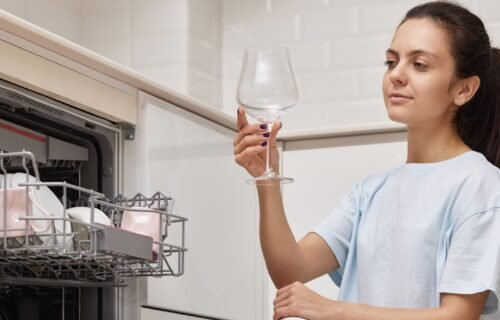
Calcium and magnesium can leave white deposits on faucets, shower doors, and fixtures. You may notice that soap doesn’t lather as easily or that dishes come out of the dishwasher looking spotted. Over time, mineral buildup can also affect water-using appliances.
These aren’t usually dramatic problems. They’re more of a slow, persistent nuisance.
A properly selected softening system can reduce hardness and make everyday household chores easier. But it’s important to remember that a water softener isn’t a universal filter. It addresses specific minerals and shouldn’t be expected to solve every possible water-quality issue.
Filtration Depends on What You’re Removing
The word “filter” sounds simple, but water filtration isn’t one-size-fits-all.
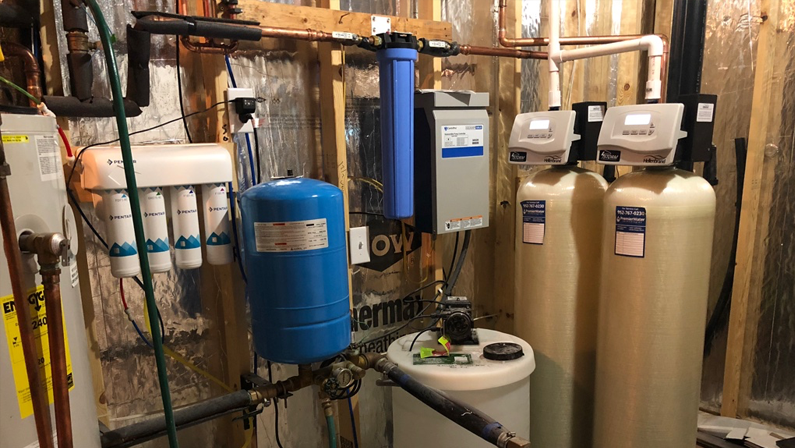
Sediment filters are designed to capture particles. Carbon-based filtration can help with certain tastes and odors. Specialized systems can target iron, sulfur-related odors, or other specific concerns.
For many homeowners, free water consultation can help connect the dots between testing, equipment selection, installation, and maintenance. The useful part isn’t simply having someone recommend a product. It’s having the treatment approach matched to the actual characteristics of the water.
A filter that works beautifully in one home may accomplish very little in another.
Well Water Deserves Extra Attention
Private wells can be excellent water sources, but they require homeowners to take more responsibility for monitoring water quality.
Unlike a municipal supply, a private well isn’t part of a centralized public treatment system. Homeowners need to understand their water and keep an eye on changes.
Unusual smells, staining, cloudy water, changes in taste, or sudden differences in water pressure are all reasons to investigate. Again, one symptom doesn’t necessarily reveal the cause. Iron staining, for example, has different treatment requirements from bacterial contamination.
Regular testing and appropriate maintenance can help homeowners maintain clean, reliable water for maryland homes and wells without relying on assumptions.
Don’t Ignore Plumbing
Sometimes the water isn’t the problem at all.
A home’s plumbing system can influence water quality and performance. Old pipes, corroded components, failing valves, leaks, or excessive pressure can create issues that look like a water-treatment problem.
For example, if water suddenly turns discolored after sitting in a rarely used faucet, the cause may be related to the plumbing rather than the source water itself.
This is why water quality and plumbing shouldn’t always be considered separate subjects. They’re connected by the same network of pipes running through your home.
Drinking Water May Need a Different Solution
Homeowners don’t necessarily need to treat every gallon of water in exactly the same way.
Some concerns affect the entire house, such as hardness or sediment. Others are mainly about drinking and cooking water. In those cases, a point-of-use system at the kitchen sink may be enough.
Reverse osmosis is one common option for reducing many dissolved substances in drinking water. Carbon filtration, meanwhile, can be useful for certain taste and odor concerns.
The best choice depends on the water analysis and the homeowner’s priorities. There’s no prize for installing the most complicated system.
Installation Quality Counts
Water treatment equipment needs more than a convenient spot under a sink or in a utility room.
Flow rates, plumbing connections, drainage, pressure, equipment capacity, and access for future maintenance all need to be considered. Poor installation can reduce performance or create entirely new plumbing problems.
This is one reason homeowners should look for experienced professionals rather than choosing equipment based solely on an online description.
A properly installed system should fit into the home’s plumbing rather than feel like an awkward add-on.
Maintenance Isn’t Optional
Once a treatment system is installed, the work isn’t completely finished.
Filters have replacement schedules. Membranes eventually need changing. UV equipment, softeners, pumps, and other components require periodic attention depending on the system.
Neglecting maintenance can slowly reduce performance. Often, there isn’t a dramatic warning. Water may simply start tasting different, pressure may change, or an old staining problem may return.
Keep records of filter changes and service visits. It takes a few minutes, and future-you will be glad you did.
Look at the Whole Picture
Good water treatment is rarely about finding one miracle product. It’s about understanding the water, the plumbing, and the needs of the people living in the house.
That might mean filtration. It might mean softening. It could involve drinking-water treatment, well maintenance, plumbing repairs, or a combination of several approaches.
Choosing a company that understands water treatment and plumbing services can also make the process more straightforward because water-quality concerns and plumbing conditions can be evaluated together.
Most importantly, don’t wait until a small concern becomes a major disruption. Strange odors, recurring stains, unexplained water use, or sudden changes in water quality are worth investigating.
Clean, dependable water is one of those household comforts you notice most when it’s missing. Paying attention to it early is usually simpler—and far less stressful—than trying to fix everything after something goes seriously wrong.