From Water Testing to Long-Term Care: Building a Treatment Plan That Works
Water is easy to take for granted. It runs from the tap, fills the washing machine, and disappears down the drain while life carries on around it. But when water starts leaving stains, developing an unusual taste, or raising concerns about what might be in it, the need for a reliable treatment plan becomes much clearer.
The good news is that improving household water quality doesn’t have to be complicated. A sensible process usually begins with understanding the water, choosing equipment that addresses specific concerns, and keeping that equipment in good condition. Skipping any of these steps can lead to wasted money or disappointing results.
Why Testing Should Come Before Buying Equipment
A water treatment system should solve a real problem, not simply respond to a convincing advertisement. Different water sources and properties can have very different needs, even when they’re located in the same neighborhood.
Municipal water users may begin with a local water quality report, while private-well owners often need more personalized laboratory testing. Depending on the situation, testing may examine hardness, pH, iron, manganese, nitrates, bacteria, or other contaminants.
Some providers offer free water testing as part of a consultation or service promotion. This can be a convenient starting point, but homeowners should ask what the test actually measures. A basic screening may not include every contaminant of concern, and a free test should not automatically be treated as a complete assessment.
Look for clear information about the laboratory, testing methods, sample collection, and how results will be explained. The more transparent the process, the easier it is to make a sound decision.
Understanding What Your Water Actually Needs
Once test results are available, the next step is identifying the main issue. Water treatment is not one-size-fits-all, and different technologies are designed for different purposes.
Hard water, for example, is primarily a mineral issue involving calcium and magnesium. A water softener may help reduce scale and improve soap performance. Sediment filters can target suspended particles such as sand, silt, and rust. Activated carbon filters are commonly used to improve taste and odor and reduce certain substances.
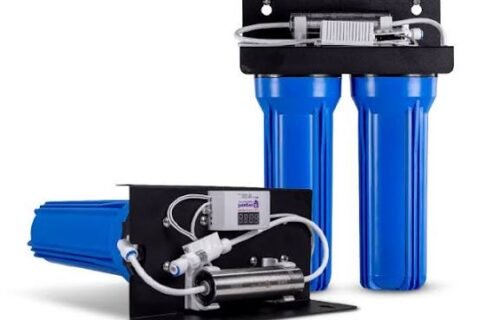
For some dissolved contaminants, reverse osmosis or specialized treatment media may be appropriate. Ultraviolet systems may be considered in certain situations involving microbial concerns, particularly with private-well water.
The important thing is to match the technology to the problem. A filter marketed for better taste should not be assumed to remove every chemical or microorganism. Knowing the limits of each system helps prevent false confidence.
Planning Water Treatment System Installation
After selecting the right equipment, installation becomes the next important stage. Water treatment system installation should be planned around the property’s plumbing, water pressure, flow rate, available space, and daily water demand.
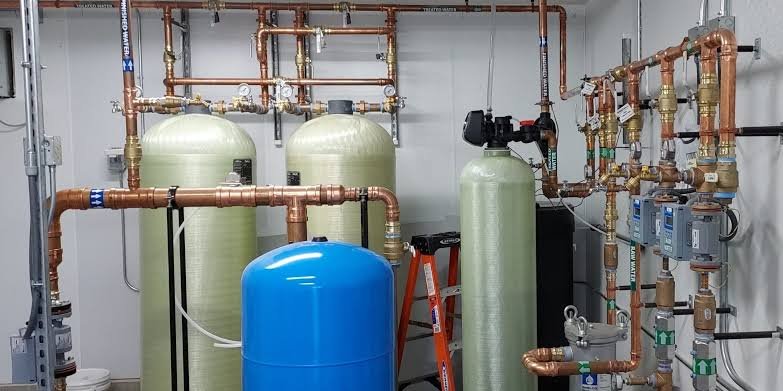
Point-of-use systems, such as under-sink filters, are often installed to treat water for drinking and cooking. Whole-house systems are connected at a central point and can treat water supplied to multiple fixtures.
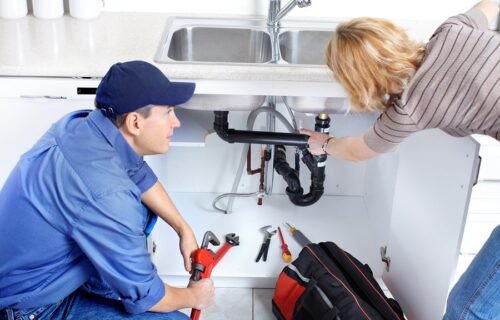
A professional installer should assess where the equipment will be placed and whether additional components are needed. For example, a sediment pre-filter may protect downstream equipment, while a pressure regulator or bypass valve may be useful depending on the setup.
Installation also involves practical details that are easy to overlook. Does the system need electricity? Is a drain connection required? Will there be enough clearance to replace filters or service the tank? Can the plumbing be bypassed if maintenance is needed?
These questions may not sound exciting, but they make a difference once the system is in daily use.
Why Proper Sizing Matters
A treatment system needs to keep up with the household using it. A system that is too small may struggle during periods of high demand, while one that is unnecessarily large can increase purchase and operating costs.
Sizing should take into account the number of people in the home, peak flow requirements, water hardness, contaminant levels, and the intended treatment purpose. For a whole-house setup, simultaneous use of showers, washing machines, and kitchen fixtures may affect the required capacity.
Manufacturers typically provide flow-rate and performance specifications. These details should be reviewed carefully rather than relying only on general claims such as “high capacity” or “maximum protection.”
A qualified water treatment professional can help interpret these specifications and recommend equipment that fits the property.
Maintenance Keeps the System Working
Installing treatment equipment is only the beginning. Like an air conditioner or water heater, a filtration system needs ongoing attention to perform properly.
Water treatment system maintenance may include replacing filters, cleaning components, replenishing softener salt, checking connections, or servicing membranes and UV lamps. The exact schedule depends on the type of equipment and the quality of the incoming water.
A clogged filter can reduce water pressure. An exhausted carbon cartridge may stop improving taste and odor. A neglected softener may not regenerate effectively, while an overdue UV lamp replacement can affect the system’s intended performance.
It helps to keep a simple maintenance record with installation dates, replacement intervals, and service notes. Set reminders for consumables that need regular attention. Waiting until water quality noticeably changes is not always the best strategy.
Watch for Signs That Something Has Changed
Even with routine maintenance, homeowners should pay attention to changes in their water. A sudden odor, unusual discoloration, reduced pressure, or new scale buildup may indicate a problem with the treatment equipment or the incoming supply.
Not every change means the treatment system has failed. Plumbing repairs, seasonal source-water changes, or maintenance work by the local utility can also affect water characteristics. Still, unexplained changes deserve investigation.
If a system includes monitoring features, such as pressure gauges or filter-life indicators, use them. They can provide useful clues before a small issue becomes a larger one.
Think About Long-Term Operating Costs
The initial purchase price is only part of the cost of owning a water treatment system. Replacement filters, electricity, salt, wastewater, and professional service can all contribute to ongoing expenses.
Before installation, ask for a realistic maintenance estimate. Find out which parts need replacement, how often they’re typically changed, and whether they’re readily available. A system that is inexpensive to buy but difficult to maintain may become frustrating over time.
It’s also worth considering water efficiency. Some systems use water during regeneration or produce wastewater as part of their treatment process. Comparing specifications can help homeowners choose equipment that balances performance with resource use.
A Practical Path to Better Water
Good water treatment starts with a clear understanding of the problem. Testing provides useful information, the right equipment addresses specific concerns, and regular maintenance helps preserve performance.
Whether a home needs a drinking-water filter, a softener, or a complete whole-house setup, the goal should be the same: reliable treatment that fits the property and the people who depend on it.
A thoughtful approach may take a little planning, but it can prevent unnecessary purchases and make water quality easier to manage for years to come.