Finding the Right Balance Between Pure Water and Everyday Filtration
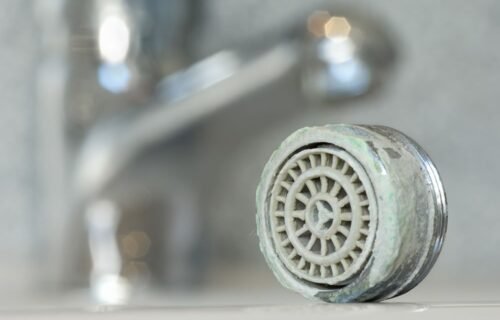
Water is one of those things we rarely think about until something seems off. A strange taste, cloudy appearance, or mineral buildup around the faucet can quickly turn an everyday necessity into a household annoyance. The good news is that improving your water doesn’t always mean choosing the most complicated filtration setup available. The real goal is finding a system that addresses your water concerns without making daily life harder.
For many homeowners, that means understanding how different filtration technologies work and deciding what level of treatment actually makes sense. Some households need basic sediment and carbon filtration, while others may benefit from more advanced purification. It’s less about chasing “perfect” water and more about creating water that feels clean, tastes good, and works well throughout the home.
Understanding What Your Water Actually Needs
Before choosing any filtration equipment, it helps to know what is in your water. Municipal water and private well water can have very different characteristics. Even homes in the same neighborhood may experience differences because of plumbing, local conditions, or the age of the property.
Testing the water can reveal issues that aren’t obvious from taste or appearance alone. Minerals, chlorine, sediment, iron, and other substances can affect water quality in different ways. Once you understand the specific problem, selecting the right treatment becomes much easier.
This is an important step because more filtration isn’t automatically better. A system designed to remove substances that aren’t actually present in your water may add unnecessary expense and maintenance.
When Advanced Purification Makes Sense
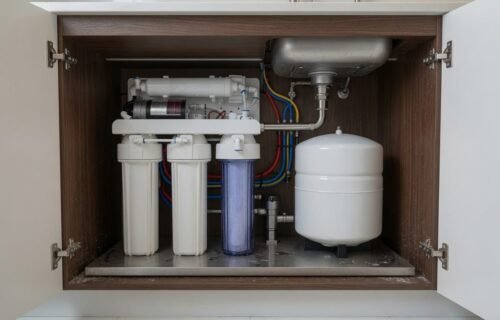
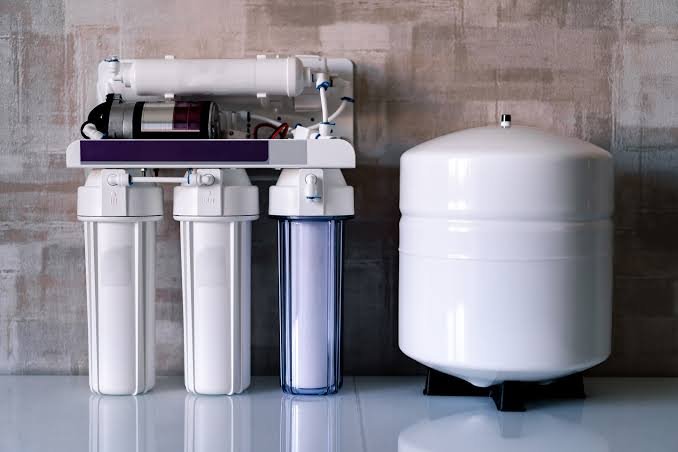
For homeowners who want a higher level of purification for drinking and cooking water, reverse osmosis systems can be an effective option. These systems use pressure to move water through a specialized membrane, reducing many dissolved substances and impurities along the way.
Reverse osmosis is particularly useful at a dedicated drinking-water point, such as a kitchen faucet. Instead of treating every gallon used for showers, laundry, and outdoor tasks, homeowners can focus advanced purification where it matters most.
That approach can be practical for households that want highly treated drinking water while still using a broader filtration or conditioning system for the rest of the home. There’s something appealing about matching the technology to the task rather than trying to make one system do everything.
The Appeal of Clearer, Better-Tasting Water
Appearance matters, even when it isn’t the only measure of quality. Nobody enjoys pouring a glass and wondering whether the water looks quite right. crystal-clear water can make drinking from the tap feel more appealing, especially when paired with a clean, neutral taste.
Filtration can help reduce particles and substances that contribute to unpleasant odors, flavors, or visible cloudiness. Carbon filters, for example, are commonly used to address chlorine taste and odor. Sediment filters can capture particles such as sand, rust, and other suspended material.
Of course, clear water isn’t necessarily contaminant-free. That’s why appearance should be considered alongside proper testing and treatment goals. A glass of clear water may look reassuring, but understanding its actual composition gives you a much more useful picture.
Why Multi-Stage Filtration Can Be Practical
Water quality problems often involve more than one issue. That’s where a multi-stage filtration process can become useful. Rather than asking one filter to handle everything, multiple filtration stages can each perform a specific job.
A typical setup might begin with sediment filtration to catch larger particles. A carbon stage may then address chlorine, taste, and odor. More specialized stages can be added when testing identifies a particular concern.
The advantage is flexibility. Each stage has a purpose, and the system can be configured according to the characteristics of the incoming water. It’s a bit like having several people each handle the part of a job they’re best at instead of expecting one person to do everything.
Filtration Versus Whole-Home Treatment
Another question homeowners often face is whether they need filtration at one point of use or throughout the entire house.
Point-of-use filtration makes sense when the primary concern is drinking and cooking water. A kitchen system can provide treated water without requiring every shower or laundry load to pass through advanced purification.
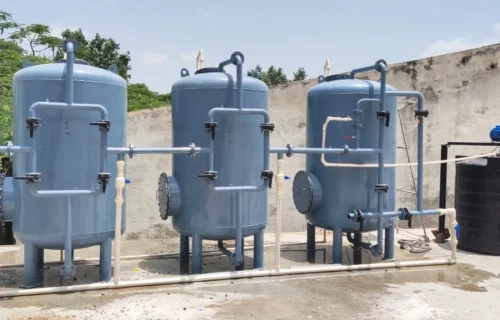
Whole-home filtration, on the other hand, may be more appropriate when water quality concerns affect multiple areas. If sediment is entering the plumbing, unpleasant odors are noticeable throughout the house, or certain contaminants need to be addressed at the point where water enters the property, whole-home treatment can offer broader coverage.
The right choice depends on the problem, not simply on the size or price of the system.
Don’t Forget About Maintenance
Even the best filtration equipment needs attention. Filters eventually become saturated, membranes require care, and system components should be checked according to manufacturer recommendations.
Ignoring maintenance can reduce performance and may lead to water quality problems returning over time. Fortunately, routine care is usually straightforward. Keeping track of replacement schedules and watching for changes in water taste, pressure, or appearance can help identify issues early.
It’s also worth considering filter availability before purchasing a system. A filtration setup that uses hard-to-find replacement components can become frustrating later, no matter how impressive it looked on paper.
Choosing a System Without Overcomplicating Things
There’s a tendency to believe that the most sophisticated water treatment system must be the best choice. In reality, a simpler system that matches your water conditions can often be more practical.
Start with testing. Identify the substances or characteristics you actually want to address. Then consider where treatment is needed, how much water your household uses, and how much maintenance you’re comfortable handling.
Budget matters, too, but the initial purchase price is only one part of the equation. Replacement filters, professional servicing, water waste, installation, and long-term operating costs can all influence the real value of a system.
A little planning at the beginning can save a lot of frustration later.
Better Water Is About More Than Technology
Ultimately, water filtration is a personal household decision. One family may care most about taste and odor. Another may be dealing with sediment or mineral concerns. Someone else may simply want a dependable source of treated drinking water without constantly buying bottled water.
There isn’t one universal setup that makes sense for everyone. The best approach is to understand your water first and then choose technology that fits your actual needs.
Good filtration should quietly improve everyday life. You should notice the difference in your glass, your cooking, and perhaps even the way you think about tap water—but the system itself shouldn’t become another household chore. When treatment is selected thoughtfully and maintained properly, clean, pleasant water can become something you simply rely on, day after day.