Making Everyday Drinking Water Cleaner, Simpler, and Better
There’s a moment most people recognize. You pour a glass of tap water, take a sip, and pause. Maybe it tastes slightly metallic. Maybe there’s a faint chlorine flavor. Or perhaps it looks perfectly normal, but you still find yourself wondering whether you should be drinking it every day.
Water doesn’t have to be a source of daily uncertainty.
For many households, improving drinking water is less about chasing the newest gadget and more about choosing treatment that matches the actual water quality. The right system can make drinking and cooking more convenient, reduce reliance on bottled water, and give you greater confidence in what comes out of the kitchen faucet.
But before choosing equipment, it’s worth understanding what you need—and what you don’t.
Start With the Water, Not the Equipment
It’s easy to shop for a water treatment system based on advertisements or recommendations from friends. Someone says their system is fantastic, so naturally you start wondering if you need one too.
The problem is that water varies from home to home.
Municipal water may contain disinfectants and naturally occurring minerals. Private well water can have its own combination of hardness, iron, sediment, sulfur-related odors, or other characteristics. Even two nearby homes can experience different water conditions depending on plumbing and supply sources.
Testing gives you a clearer starting point.
A water analysis can identify characteristics that aren’t obvious from taste or appearance. Once you understand what’s actually present, you can choose a treatment method based on evidence rather than guesswork.
Why Reverse Osmosis Is Popular for Drinking Water
When homeowners want a more comprehensive treatment option for drinking and cooking water, reverse osmosis often enters the conversation.
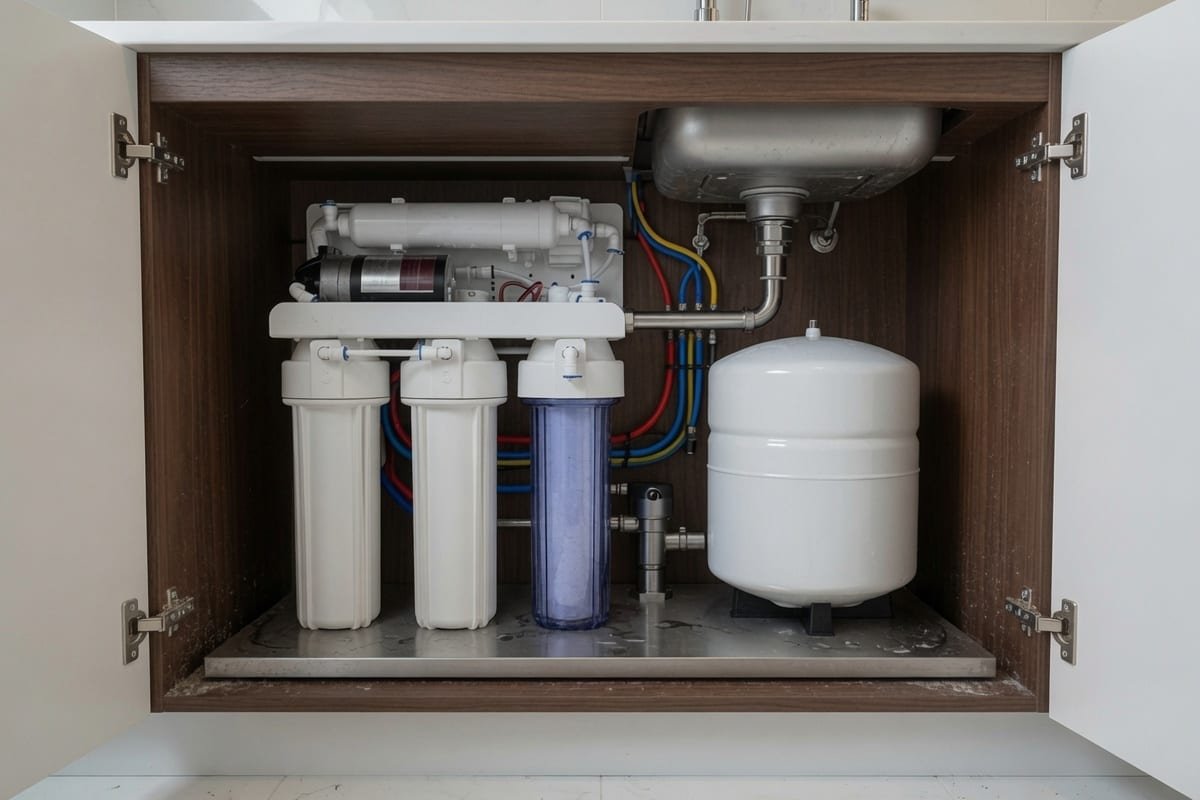
A reverse osmosis drinking water system uses pressure to move water through a semipermeable membrane. The membrane can reduce many dissolved substances, with the exact performance depending on the system design, membrane, incoming water quality, and maintenance.
These systems are commonly installed under a kitchen sink and connected to a separate faucet. That means you’re treating the water you actually drink rather than necessarily treating every gallon used for showers, toilets, and laundry.
For households concerned about dissolved solids or particular contaminants identified through testing, this can be an attractive approach.
It isn’t magic, though. Reverse osmosis systems have filters and membranes that require replacement, and installation needs to be done correctly for reliable performance.
A Dedicated Drinking Faucet Can Be Surprisingly Convenient
There’s something nice about having a separate faucet specifically for drinking water. You don’t need to remember which pitcher is full or keep rearranging bottles in the refrigerator.
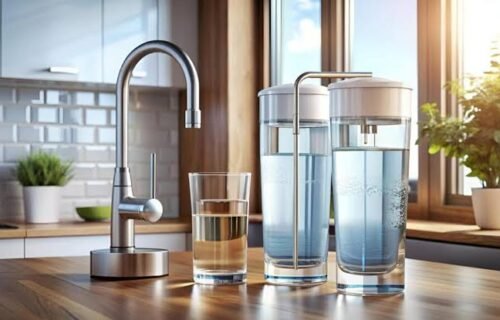
Modern installed drinking water systems can provide treated water directly where you need it, usually at the kitchen sink. Depending on the setup, the system may include multiple filtration stages, a storage tank, or other components designed to improve water quality.
The convenience is probably the biggest advantage.
Cooking becomes easier, filling a bottle takes seconds, and there’s no need to carry cases of bottled water home every week. For busy households, those small conveniences add up.
Taste Matters More Than People Admit
Water quality isn’t only about laboratory numbers. Taste matters, too.
If water tastes unpleasant, people tend to drink less of it. They may reach for soda, flavored drinks, or bottled beverages instead. That’s not necessarily a conscious decision. Sometimes it’s simply easier to grab something that tastes better.
Improving the taste of tap water can change that habit.
Clean, clear, better-tasting drinking water is appealing because it makes something essential more enjoyable. Coffee, tea, soups, and other foods can also benefit when the water used to prepare them has a cleaner flavor.
Still, taste should never be used as the only indicator of safety. Water can taste fine and still contain substances that should be addressed. Conversely, a strange taste doesn’t automatically mean the water is dangerous.
Testing remains important.
Bottled Water Isn’t Always the Most Practical Answer
Bottled water feels simple. Buy it, chill it, drink it.
But over time, the cost can add up. There’s also the hassle of storing bottles, carrying them from the store, and dealing with all those empty containers.
For a household that drinks several bottles every day, an installed treatment system can offer a more convenient long-term approach. Instead of constantly buying water, treated drinking water is available at home whenever you need it.
That doesn’t mean bottled water has no place. It’s useful for travel, emergencies, and situations where treated tap water isn’t available. But for everyday home use, a dedicated drinking-water system can be much less cumbersome.
Think About What Needs to Be Treated
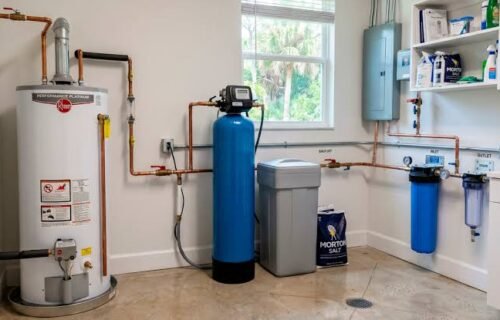
One of the smartest decisions you can make is separating drinking-water concerns from whole-house water concerns.
If your primary issue is the taste or quality of water you drink, point-of-use treatment may be enough. If you have hard water throughout the house, mineral deposits, iron staining, or other problems affecting multiple fixtures, broader treatment may be appropriate.
In some homes, both approaches work together.
For example, a whole-house system might address sediment or hardness, while a kitchen drinking-water system provides additional treatment for water used for consumption.
The important part is that each component has a purpose.
Installation Shouldn’t Be an Afterthought
A water treatment system isn’t simply a box that gets attached to a pipe. Proper installation affects performance, reliability, and future maintenance.
The installer needs to consider water pressure, plumbing configuration, drain connections, available space, storage tanks, shutoff valves, and the location of the drinking faucet.
Under-sink systems can be compact, but that cabinet space still needs to remain accessible. Nobody wants to discover that changing a filter requires removing half the contents of the kitchen cabinet.
Professional installation can also help ensure the system is configured correctly from the beginning.
Maintenance Keeps the System Doing Its Job
Even the best drinking-water system needs routine care.
Filters eventually become saturated with the materials they’re designed to reduce. Reverse osmosis membranes have a service life. Connections and other components may need inspection from time to time.
Ignoring maintenance can gradually reduce system performance without creating an obvious warning.
Keep track of when filters were installed and when they’re due for replacement. If your provider offers service reminders, use them. It’s a small habit, but it protects the investment you’ve made in your water.
Don’t Let Features Make the Decision for You
Today’s systems can come with plenty of impressive features—digital monitoring, multiple filtration stages, special cartridges, automatic alerts, and more.
Some are genuinely useful. Others may be unnecessary for your particular situation.
Instead of asking how many features a system has, ask whether those features solve a problem your household actually has.
The right system should fit your water quality, consumption habits, available space, maintenance preferences, and budget. It should make life easier, not create another complicated appliance to worry about.
Good Drinking Water Should Feel Effortless
The best drinking-water system is the one that quietly becomes part of your routine. You turn on the faucet, fill a glass, and get water you enjoy drinking. No hauling bottles. No wondering about strange tastes. No unnecessary fuss.
Getting there starts with understanding your water and choosing treatment accordingly.
Test before you buy. Know what you’re trying to improve. Consider how much water your household actually uses, and don’t overlook installation or maintenance.
Once those pieces are in place, better drinking water doesn’t need to be complicated. It can simply be there—cold, convenient, and ready whenever you reach for a glass.