When Hard Water Becomes a Household Problem, It May Be Time to Act
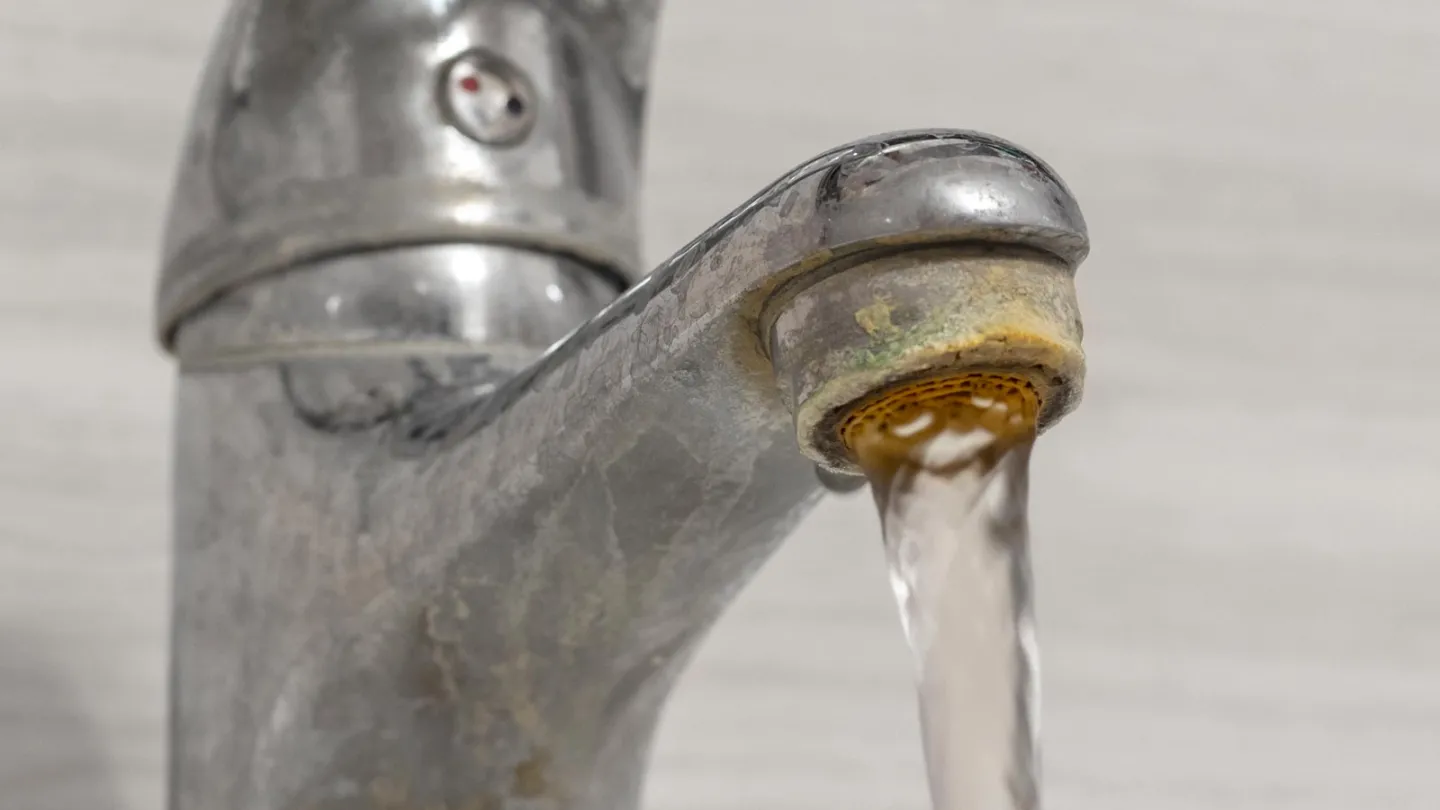
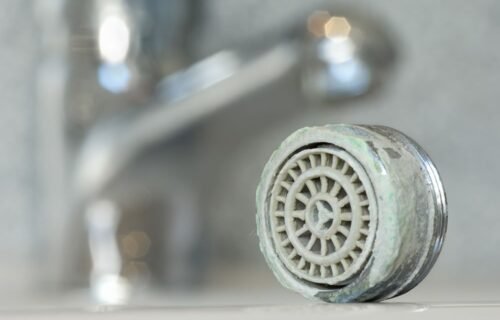
Most water problems don’t arrive with a dramatic warning. They creep into everyday life instead. A few spots on the shower door. Soap that doesn’t seem to rinse away properly. A faucet that develops a crusty ring no matter how often you clean it. At first, these things are easy to ignore.
Then the dishwasher starts looking tired. The coffee maker needs cleaning more often. The showerhead loses pressure. Suddenly, that little annoyance has become part of the household routine.
Hard water is a common reason behind many of these frustrations. It contains higher concentrations of naturally occurring minerals, mainly calcium and magnesium. These minerals aren’t necessarily dangerous in ordinary amounts, but they can make water harder to manage and can contribute to problems with plumbing and appliances over time.
Understanding what causes hardness, how it affects a home, and what treatment options are available can make the whole situation much less mysterious.
What Makes Water Hard?
Water becomes hard when it picks up minerals as it moves through soil and rock. Calcium and magnesium are the main contributors, and the amount can vary considerably from one location to another.
Private wells can be especially influenced by local geology. Groundwater may pass through mineral-rich formations before reaching the well, naturally collecting dissolved minerals along the way.
You might not notice anything unusual when filling a glass. Hardness often becomes more apparent when the water is heated or mixed with soap.
That’s when the trouble starts showing itself.
The Everyday Signs Are Easy to Miss
One of the first clues is often residue. Glasses may come out of the dishwasher with cloudy spots. Faucets can develop white deposits. Bathtubs may need more scrubbing than they used to.
Soap and shampoo can also behave differently in hard water. They may not lather as easily, leaving a film that makes skin feel less clean after a shower.
These aren’t catastrophic problems, of course. Nobody is calling the plumber because of one water spot on a glass.
But when these little issues happen every day, they add up. Eventually, homeowners start wondering why cleaning takes so much effort.
Why Scale Buildup Deserves Attention
The bigger concern is what happens where you can’t easily see it.
As hard water is heated, dissolved minerals can precipitate and attach themselves to surfaces. Over time, scale buildup may develop inside water heaters, pipes, fixtures, and appliances.
A thin layer might seem harmless. A thicker layer can interfere with heat transfer and water flow, which may contribute to reduced efficiency and increased maintenance needs.
Water heaters are particularly worth watching because they regularly heat large amounts of water. Mineral deposits can collect in the tank or on heating components, creating a problem that isn’t visible until performance begins to decline.
How Water Softeners Help
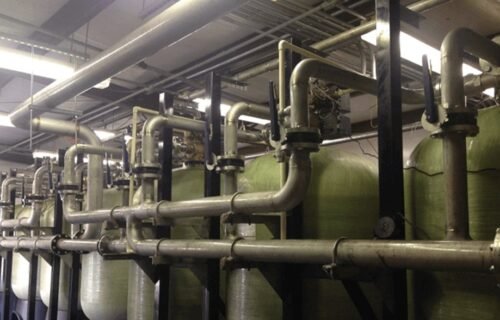
For homes where hardness is confirmed as a significant issue, water softeners are one of the most established treatment options.
Traditional ion-exchange softeners work by exchanging calcium and magnesium ions for sodium or, in some systems, potassium ions. This reduces the minerals responsible for many hardness-related effects.
The result can be noticeable in everyday life. Soap may lather more easily, spotting can decrease, and mineral deposits may become less of a recurring nuisance.
However, choosing a softener shouldn’t be based solely on the size of the house. Water hardness, household water consumption, flow requirements, and regeneration needs all matter.
A system that’s properly sized for the home is generally a better choice than simply buying the largest unit available.
Hard Water Isn’t the Same as Dirty Water
It’s worth clearing up a common misunderstanding.
Hard water isn’t automatically contaminated water. Hardness refers mainly to dissolved calcium and magnesium. Those minerals can cause scale and other household issues, but hardness itself is a different concern from microbial contamination or other water-quality problems.
That distinction matters because a softener isn’t designed to solve every possible water problem.
If a home has iron, sulfur odors, sediment, or another issue, additional treatment may be needed. The first step is identifying what is actually present rather than assuming hardness is responsible for everything.
Testing Helps Avoid Guesswork
A water test can tell you much more than your eyes can.
If you’re considering treatment, knowing the hardness level can help determine whether a softener is appropriate and how it should be configured. Testing can also reveal whether other characteristics of the water need attention.
This is especially useful for private wells. Groundwater conditions can vary, and a system that works beautifully for one property may be poorly suited to another just a few miles away.
Testing isn’t glamorous, but it can save you from buying equipment that doesn’t address the real problem.
What About Salt-Based Systems?
Traditional softeners typically use salt or potassium chloride as part of the regeneration process. That means homeowners need to monitor the salt supply and periodically replenish it.
For many households, this becomes a routine chore rather than a major inconvenience. But it should still be considered when comparing treatment options.
There are also salt-free products marketed for scale control. These systems work differently and generally aren’t equivalent to traditional ion-exchange softeners for actually removing hardness minerals from water.
The distinction is important. If your goal is true softening, make sure you understand what the system is designed to do.
Appliances Can Benefit From Better Water
Hard water doesn’t just affect sinks and showers.
Dishwashers, washing machines, coffee makers, water heaters, and other appliances can all come into contact with mineral-rich water. Repeated exposure can contribute to deposits inside components and affect cleaning or heating performance.
Reducing hardness can therefore be about more than appearance. It may also help simplify maintenance and protect equipment from some forms of mineral-related wear.
Still, no treatment system can replace routine appliance maintenance. Descaling and cleaning may remain necessary, particularly if deposits have already developed.
Don’t Overlook Water Efficiency
A modern treatment system should fit the household’s actual needs.
Oversized equipment can use more water or salt than necessary during regeneration. Undersized equipment may regenerate too frequently or struggle to keep up with demand.
Look at household size, daily water use, hardness levels, and system settings before making a purchase.
The goal isn’t to make the water as “soft” as possible at any cost. It’s to manage hardness effectively without creating unnecessary operating expenses.
When Professional Advice Can Help
Some water problems are straightforward. Others aren’t.
If you’re seeing heavy staining, unusual odors, fluctuating water quality, or persistent mineral deposits despite treatment, professional evaluation may be worthwhile.
A knowledgeable water-treatment professional can look at test results, household demand, existing plumbing, and treatment goals together. That’s often more useful than choosing equipment from a generic sizing chart.
After all, the water belongs to your home, not to a brochure.
A Better Way to Think About Hard Water
Hard water can be frustrating, but it doesn’t have to become a permanent household headache.
Start by identifying the symptoms. Test the water when appropriate. Confirm the hardness level and check for other potential concerns. Then choose a treatment method that actually matches the conditions.
For some homes, a properly sized softener can make a noticeable difference. For others, hardness may be mild enough that a full treatment system isn’t necessary.
The smartest approach isn’t necessarily the most expensive one. It’s the one that solves the problem without creating three new ones.
Once you understand what’s happening inside your water and plumbing, those stubborn spots, buildup, and appliance issues start making a lot more sense. And when a problem makes sense, finding the right solution becomes considerably easier.