Smarter Water Choices: Finding the Right Treatment for Your Home
Water is one of those things most of us barely think about until something goes wrong. The taste changes. A glass left on the counter develops a strange smell. White spots appear on faucets, or the shower suddenly feels like it’s fighting a losing battle against mineral buildup. Sometimes the problem is obvious; other times, it’s hiding in water that looks perfectly clear.
That’s why choosing the right water treatment solutions isn’t simply about buying a filter and calling it a day. Different homes have different water sources, plumbing systems, and water-quality concerns. What works beautifully for one household may be unnecessary—or not effective enough—for another.
The good news is that modern water treatment gives homeowners plenty of options. The trick is understanding what your water actually needs.
Start With the Water, Not the Equipment
It’s tempting to begin by comparing filtration systems online. But there’s a better first step: test your water.
Municipal water and private well water can have very different characteristics. Even homes in the same neighborhood may experience different issues because of plumbing age, local conditions, or the condition of the household’s pipes.
A water test can help identify concerns such as:
- Hardness caused by calcium and magnesium
- Chlorine and unpleasant tastes or odors
- Sediment and suspended particles
- Iron or manganese
- Certain heavy metals
- Microbial concerns in some private wells
- Other contaminants that may require specialized treatment
Once you know what you’re dealing with, choosing a treatment method becomes much less of a guessing game.
Understanding Filtration and Water Softening
Not every water problem requires reverse osmosis. In fact, one of the most common misunderstandings is assuming that a single system should solve everything.
Water softeners, for example, are primarily designed to address hardness minerals. Hard water isn’t usually a dramatic health concern, but it can be a genuine nuisance around the house. It may leave scale on fixtures, make soap harder to rinse, reduce appliance efficiency, and shorten the useful life of water heaters and other equipment.
Filtration systems, meanwhile, can target specific substances depending on the filter technology being used. Activated carbon is commonly used to improve taste and reduce chlorine, while sediment filters can capture particles such as sand and rust.
Then there are more advanced systems designed for particular contaminants. The point is simple: treatment should match the problem.
When Reverse Osmosis Makes Sense
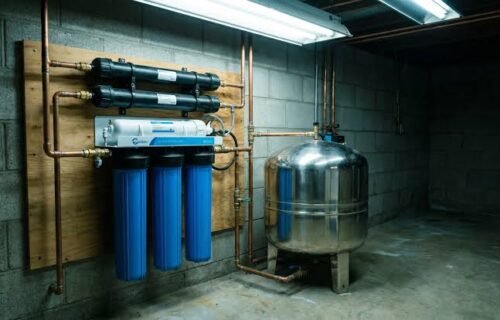
Reverse osmosis, often called RO, uses a semi-permeable membrane to reduce a wide range of dissolved substances from water. It’s especially popular for drinking and cooking water because it can provide highly treated water at a dedicated faucet.
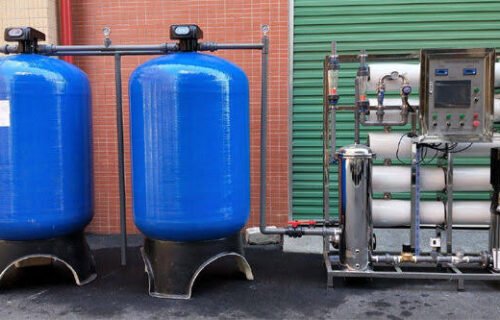
For households that want treated water throughout the property, a whole home reverse osmosis system may also be considered. These systems are more involved than the typical under-sink RO unit because they need to handle much larger volumes of water.
That doesn’t automatically mean whole-home RO is the right answer for everyone.
RO systems can produce wastewater as part of their operation, and the installation needs to be designed properly for household demand. Storage, pressure, plumbing, and pretreatment can all matter. In some homes, a point-of-use system is perfectly adequate. In others, broader treatment may make more sense.
A good installer should explain these trade-offs rather than simply pushing the biggest system available.
Why Whole-Home Treatment Can Be Convenient
There’s something appealing about knowing that treated water is available from multiple taps instead of relying on a single kitchen faucet.
A properly designed whole-house system can help address water-quality concerns across showers, bathrooms, laundry areas, and kitchen fixtures. That can be particularly useful when the issue affects the entire incoming water supply rather than just drinking water.
For example, if sediment is entering the house from a private well, treating only kitchen drinking water doesn’t solve the sediment problem elsewhere. Likewise, excessive hardness can affect appliances and plumbing throughout the property.
Still, whole-house treatment isn’t about making every drop of water identical. Different applications sometimes call for different levels of treatment. Drinking water may need a more intensive process than water used for washing clothes or watering a garden.
That’s where thoughtful system design really earns its keep.
Don’t Ignore Your Plumbing
Water quality and plumbing are closely connected. A treatment system can be excellent, but it can’t magically repair old pipes, corroded fixtures, leaks, or poor installation.
Older plumbing may contribute unwanted metals or particles to otherwise treated water. Low pressure can affect the performance of certain systems. Poorly maintained filters can become a source of problems rather than a solution.
Before installing new equipment, it’s worth looking at the bigger picture.
Check the age and condition of the plumbing. Consider where the main water line enters the house. Think about whether the water problem occurs at every faucet or only at certain fixtures. These details may seem minor, but they can change the treatment strategy considerably.
Maintenance Matters More Than People Think
Buying a treatment system is not the finish line.
Filters need replacement. Membranes eventually lose performance. Water softeners may need salt or other maintenance depending on the system. Tanks, valves, connections, and other components should also be checked according to manufacturer recommendations.
This is one reason professional guidance can be useful. A system that sits forgotten under a sink for years isn’t doing anyone much good.
Homeowners should also pay attention to changes in water taste, odor, pressure, or appearance. A sudden change doesn’t always mean the treatment system has failed, but it’s worth investigating rather than ignoring.
Choosing Home Water Treatment Without Overcomplicating It
The best home water treatment approach is rarely the one with the longest list of features. It’s the system that addresses the actual water-quality concerns while fitting the household’s budget, water usage, plumbing setup, and maintenance preferences.
Before making a purchase, ask a few straightforward questions:
- What contaminants or water-quality issues are actually present?
- Is treatment needed throughout the house or only for drinking water?
- What ongoing maintenance will the system require?
- How much water does the household use each day?
- What happens if the system needs service?
- Is the equipment properly sized for the home?
These questions can save homeowners from spending money on technology they don’t need—or choosing a system that can’t keep up with their needs.
A Better Way to Think About Clean Water
Clean, pleasant water shouldn’t feel like a luxury. But getting there isn’t always as simple as installing the first filter that appears in a search result.
The smartest approach starts with understanding the water itself. Test it, identify the problem, consider the household’s priorities, and then choose treatment technology accordingly. Sometimes that means a simple sediment or carbon filter. Sometimes it means a softener. In other cases, reverse osmosis or a combination of technologies may be the better fit.
And honestly, that’s what makes modern water treatment so useful. There isn’t one universal solution—and there doesn’t need to be.
A well-designed system quietly does its job in the background, giving your family better water without making everyday life more complicated. That’s ultimately what good water treatment should be about: solving the right problem, in the right way, for the home you actually live in.