How the Right Water Treatment System Can Transform Your Home’s Water
Water is something most of us use without giving it much thought. We turn on the tap, fill a glass, wash our hands, or start the washing machine. But when the water leaves behind spots, tastes strange, or makes soap difficult to rinse, it becomes clear that not all water feels the same. Water quality can affect everyday comfort, household appliances, and even how much time you spend cleaning.
The good news is that improving your home’s water doesn’t always require a complicated solution. The right treatment system depends on what’s actually present in your water and what you want to improve. From mineral-heavy water to unwanted contaminants, understanding the available options is the first step toward making a sensible decision.
Understanding What May Be in Your Water
Water quality can vary considerably from one location to another. Some homes deal with hard water, which contains higher levels of minerals such as calcium and magnesium. These minerals aren’t usually a major health concern, but they can create practical problems around the house.
Hard water may leave white deposits on faucets, shower doors, and sinks. It can also make soap less effective, leave skin feeling dry, and cause mineral buildup inside water heaters and plumbing fixtures over time. If you’ve ever cleaned a glass shower door only to see the spots return a few days later, hard water may be part of the reason.
Other concerns are less visible. Depending on the local water source, plumbing, and treatment practices, water may contain sediment, chlorine, or specific contaminants that homeowners want to reduce. A water test can help identify these concerns instead of relying on guesswork.
Making Hard Water Easier to Manage
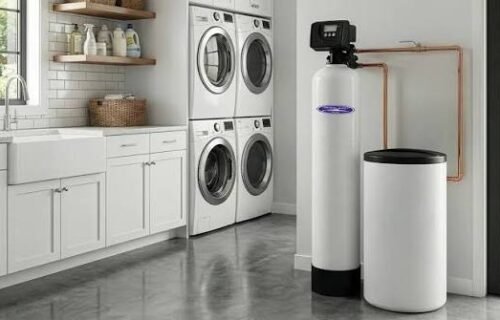
For households dealing with mineral buildup, water softener systems can be a practical way to improve water throughout the home. These systems are designed to reduce the effects of hardness, often through an ion-exchange process that replaces calcium and magnesium ions with sodium or potassium ions.
The difference may show up in small, everyday ways. Soap can lather more easily, laundry may feel less stiff, and scale buildup on fixtures can become less noticeable. Over time, reducing hardness can also help protect certain plumbing components and appliances from mineral deposits.
However, a softener isn’t a universal water purifier. It primarily addresses hardness rather than every possible contaminant. That’s why it’s important to understand your water’s composition before choosing a system. A household with hard water may benefit from softening, while another home may need a different type of filtration—or a combination of treatments.
What Whole-Home Filtration Can Do
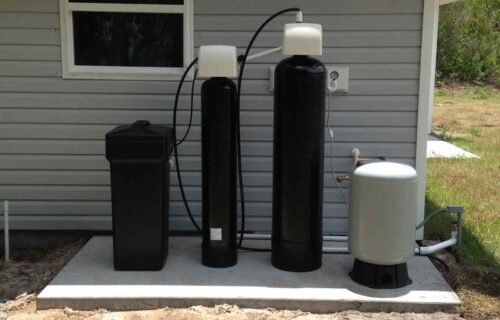
While softeners focus mainly on hardness, filtration systems target other unwanted substances. Whole house filtration is designed to treat water as it enters the property or at a central point, helping provide treated water to multiple outlets rather than only one tap.
Depending on the filter technology, these systems may reduce sediment, chlorine taste and odor, or certain other contaminants. The exact results depend on the filter’s design and certification, so homeowners should always check what a particular system is actually tested to remove.
One advantage of whole-home filtration is convenience. Instead of installing separate filters on several faucets, a central system can support water quality across showers, sinks, and other household fixtures. This can be especially useful for families who want a consistent approach to treating the water they use every day.
Still, not every filtration system removes the same things. A sediment filter, carbon filter, and specialized contaminant-reduction system serve different purposes. The goal isn’t simply to buy the most expensive equipment. It’s to choose technology that matches the problem.
Why Drinking Water May Need a Different Approach
Water used for bathing and cleaning has different treatment needs from water intended for drinking. Even if a home’s general water quality is acceptable, some families prefer an additional level of treatment for cooking and drinking water.
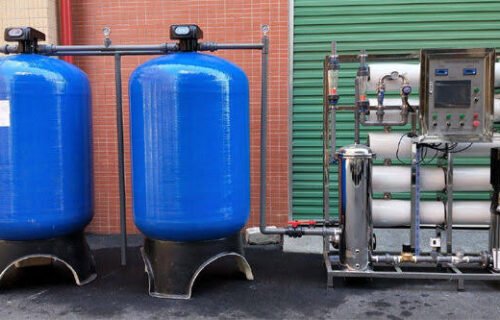
This is where reverse osmosis can be useful. Reverse osmosis systems use pressure to push water through a semipermeable membrane, reducing many dissolved substances and other impurities. These systems are commonly installed under a kitchen sink and are often used to produce treated drinking water.
Reverse osmosis can be an effective option for certain water-quality concerns, but it also has considerations. The system may produce wastewater during operation, filters and membranes require maintenance, and some beneficial minerals may also be reduced. Many systems include additional stages, such as carbon filtration or remineralization, depending on the design.
As with any treatment method, it’s worth checking performance claims and choosing a system that is appropriate for the water being treated.
Testing Water Before Choosing Equipment
One of the most overlooked steps in water treatment is testing. It can be tempting to choose a system based on a neighbor’s recommendation or an advertisement promising cleaner, healthier water. But two homes in the same area can still have different plumbing conditions, water sources, or treatment needs.
A professional water test can help identify hardness levels, pH, sediment, and other relevant concerns. Depending on the situation, testing may also examine specific contaminants such as iron, nitrates, or PFAS. The appropriate test should be based on local conditions and the concerns you want to investigate.
Once the results are available, the decision becomes much clearer. You can determine whether you need a softener, a whole-home filter, an under-sink drinking water system, or a combination of solutions. This approach can prevent unnecessary spending and make maintenance easier later.
Maintenance Is Part of the Solution
Even a well-designed water treatment system needs regular attention. Filters have replacement schedules, softeners may require salt or potassium chloride, and reverse osmosis systems need periodic membrane and filter changes. Ignoring maintenance can reduce performance and, in some cases, affect water quality.
It’s helpful to keep a simple record of installation dates, filter replacements, and service visits. Homeowners should also follow the manufacturer’s instructions and pay attention to changes in water taste, pressure, or appearance.
A reliable installer can explain not just how the system works, but also what ongoing care will involve. That information matters because a treatment system should fit your routine—not become another household chore that gets forgotten.
Choosing a System That Fits Your Home
The right water treatment setup depends on several factors: water test results, household size, available installation space, budget, and the type of improvement you want. A small drinking-water concern may only require a point-of-use system, while widespread hard water may call for treatment at the main water line.
It’s also worth asking about flow rate, warranty coverage, replacement filter costs, installation requirements, and expected lifespan. A system’s initial price is only one part of its total cost. Affordable replacement parts and dependable service can make a meaningful difference over the years.
Most importantly, avoid choosing equipment based solely on broad claims. Look for clear specifications, relevant certifications, and a provider willing to explain what the system can—and cannot—do.
A Better Water Experience Starts With the Right Information
Improving your home’s water quality doesn’t have to mean buying every treatment product available. It starts with understanding the water you have, identifying the issues that matter, and selecting equipment designed to address them.
Whether you’re trying to reduce hard-water scale, improve water throughout the house, or produce better-tasting drinking water, the best solution is one that matches your actual needs. With proper testing, suitable technology, and regular maintenance, a water treatment system can make everyday life more comfortable while helping you care for the appliances and fixtures that keep your home running.