Knowing Your Water: Why Testing, Treatment, and Smart Monitoring Matter
Water is easy to take for granted. It comes out of the tap every morning, fills the coffee maker, runs through the shower, and disappears down the drain. Because it’s such a normal part of life, we tend to assume it’s fine unless something obviously goes wrong.
But water can change without putting up a big warning sign. A faint metallic taste, a little more scale around the faucet, or an unexplained increase in water use might be telling you something. Sometimes the cause is harmless. Sometimes it deserves a closer look.
The good news is that understanding household water doesn’t require becoming a chemist. A few practical steps—testing, appropriate treatment, sensible maintenance, and some modern monitoring—can make a surprisingly big difference.
Testing Takes the Guesswork Out of Water Quality
When homeowners notice a water problem, the temptation is often to buy a filter immediately. That’s understandable. You want a solution, and there are plenty of products promising one.
Still, testing should usually come first.
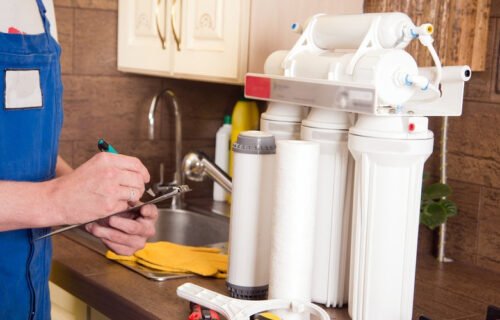
Professional water testing & lab analysis can identify characteristics and contaminants that aren’t visible to the naked eye. Depending on the situation, testing may examine hardness, pH, iron, manganese, chlorine, sediment, dissolved substances, or specific contaminants of concern.
This information helps determine what kind of treatment, if any, is appropriate. There’s no reason to install a complicated system to remove something your water doesn’t contain.
Testing can also establish a baseline. If water quality changes later, you’ll have something useful to compare against.
Not Every Water Issue Looks the Same
Different problems leave different clues.
Hard water may leave chalky deposits around faucets or make it difficult to produce a good lather with soap. Sediment might appear as particles in a glass or cause problems with fixtures. Iron can sometimes create reddish staining. Chlorine may affect taste or odor.
Other concerns are much harder to detect.
That’s why appearance alone isn’t a reliable measure of water quality. Clear water isn’t automatically perfect water, and cloudy water isn’t necessarily dangerous. Context matters.
If there’s a noticeable change in taste, color, smell, or household water behavior, it’s worth figuring out what’s causing it rather than assuming the worst—or ignoring it completely.
Smart Monitoring Can Catch Problems Early
Water leaks have a frustrating habit of hiding in plain sight.
A toilet can run quietly for days. A small pipe leak can occur behind a wall. An outdoor irrigation line can use far more water than expected without anyone realizing it. By the time the problem becomes visually obvious, damage may already have occurred.
This is where connected technology can help. A drop smart home solution may incorporate monitoring tools that track water activity and provide information about unusual usage. Depending on the equipment, homeowners may receive alerts when flow continues unexpectedly or when a sensor detects moisture.
It isn’t about turning your home into a science experiment. It’s simply another way to notice things sooner.
That early warning can be valuable. Finding a leak when it’s a small repair is very different from discovering it after flooring, drywall, or cabinetry has been damaged.
Hard Water Deserves Attention
Hard water isn’t usually an emergency, but it can be a persistent nuisance.
Calcium and magnesium are the main minerals associated with hardness. They can create scale on fixtures and inside water-using appliances. Over time, that buildup may affect efficiency and increase cleaning or maintenance requirements.
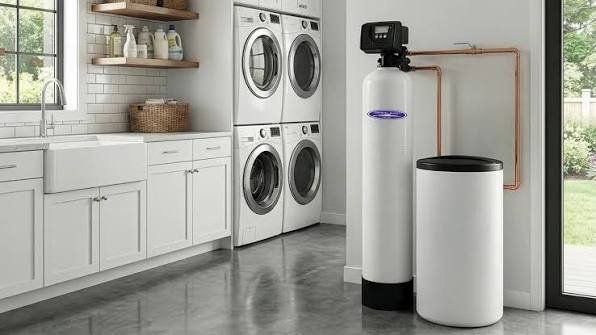
For households dealing with significant hardness, water softeners can help by reducing calcium and magnesium ions in the water through an ion-exchange process. This can make water feel different, improve soap performance, and reduce scale throughout the plumbing system.
However, a softener isn’t designed to solve every water-quality problem. It doesn’t replace a drinking-water filter or address every contaminant. That’s another reason testing is useful—you can determine whether hardness is actually the issue and how significant it is.
Drinking Water Often Needs a Different Approach
Many homes benefit from treating water according to where it will be used.
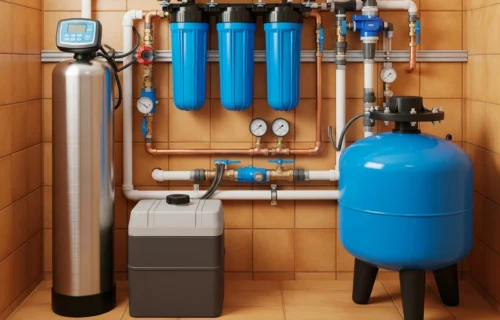
Water entering the entire house may need treatment for hardness or sediment, while drinking and cooking water may call for more targeted purification. A point-of-use system at the kitchen sink can provide an additional treatment stage without requiring every gallon used for laundry or bathing to go through the same process.
Reverse osmosis is one example. It uses pressure and a semipermeable membrane to reduce many dissolved substances from water. Other filtration methods can be selected for specific contaminants, taste, odor, or particulate concerns.
The right choice depends on the water chemistry and the household’s priorities. A system that works beautifully in one home may be unnecessary—or poorly matched—in another.
Maintenance Keeps Treatment Equipment Working
Installing water-treatment equipment is only the beginning.
Filters eventually become saturated. Membranes need replacement. Softener systems may need salt and periodic inspection. Smart sensors need to remain operational. Components can wear out, and settings may need adjustment.
Ignoring maintenance is a little like buying a good car and never changing the oil. The equipment may keep working for a while, but performance can gradually decline.
Keep replacement dates somewhere easy to remember. Follow manufacturer recommendations, and arrange professional servicing when the system requires it. Regular maintenance is usually far less inconvenient than dealing with a preventable failure.
Don’t Forget the Plumbing
Sometimes the treatment system isn’t the source of the problem.
Older plumbing can affect taste, color, and water quality. Corrosion, deteriorating pipes, leaks, or poorly maintained fixtures can introduce issues after water has already left the treatment facility.
If only one faucet has unusual water while the others seem normal, the fixture or nearby plumbing may deserve inspection. If the entire home is affected, the cause could be farther upstream.
This distinction matters because replacing a filtration system won’t necessarily fix a plumbing problem. It’s better to investigate before spending money.
Efficiency Belongs in the Conversation
Water quality and water conservation aren’t separate topics.
A leaking toilet or faucet wastes treated water. Some treatment technologies also consume water as part of their operation. Heating water requires energy, too.
Monitoring household consumption can reveal patterns that aren’t obvious during everyday life. A sudden increase may indicate a leak. Consistently high usage may point to an appliance, irrigation system, or household habit worth examining.
Small improvements can add up. Fix leaks quickly, maintain equipment, use efficient fixtures where practical, and avoid running water unnecessarily. None of this needs to become an obsession. It’s just sensible stewardship.
A Little Knowledge Goes a Long Way
The goal of managing household water isn’t to worry about every possible contaminant or install the most sophisticated equipment available.
It’s to understand your particular situation.
Test when there is a reason. Treat confirmed problems with technology suited to those problems. Monitor water use if connected tools provide meaningful value. Maintain equipment properly, and remember that plumbing itself can influence what comes from the tap.
Most importantly, don’t let marketing replace evidence. Water treatment works best when decisions are based on actual water conditions rather than fear or guesswork.
There is something comforting about knowing what’s happening inside your home. Once you understand the water, the strange taste, stubborn scale, unexpected water bill, or recurring maintenance issue becomes less mysterious.
And that’s really the point: better water management isn’t about making life more complicated. It’s about making everyday life a little more predictable, efficient, and comfortable.